AI website generators or a template? An honest answer from a template shop.
Tools like v0, Lovable and Bolt turn a prompt into a working site in minutes, and for a lot of jobs that is the right call. They are also why so many new sites look alike. We sell templates, so weigh this accordingly, but we’ll tell you when to use a generator instead.
Figures checked November 3, 2026. Sources are at the end of the page.
Choose an AI generator if
- You need a working app with data and accounts, and you don’t write code.
- You’re testing an idea this afternoon, and how it looks barely matters yet.
- You want to keep changing the page by describing what you want.
Choose Hairline UI if
- The page is what sells the product, so it must not look like everyone else’s.
- You, or a coding agent, can edit a normal Next.js project.
- You’d rather pay $39 once than a monthly plan for a page that rarely changes.
Why AI-generated sites look the same, in five tells.
A model fills in whatever you left out with what it has seen most often, and most tools share one stack. Pick a tell to find it on the page.
How a designer fixes each of these, with live figures and the numbers, is in our landing page design guide.
The facts, side by side.
Where generators are better. A real list.
Speed to something real
Nothing beats a working page in five minutes. If you’re trying to find out whether anyone wants an idea, that’s the job, and a template is overkill.
Apps, not just pages
Lovable and Bolt offer databases, accounts and hosting, and you can keep prompting your way to a real product. Our templates are marketing sites with sample data, and they will never do that.
No code required
You can change these sites by describing the change. Editing a Next.js template means working with code, or with an agent that does. If you don’t want to touch either, a generator or a no-code builder is the honest answer.
Exactly your content, from the start
A generator writes for your product from the first prompt. A template’s copy is written for a fictional product, and it’s your job to replace it.
Where Hairline is better. Judge it yourself.
A design someone decided on
A model fills what you didn’t specify with what’s most common, so a short prompt gets you the average page. A template starts with those decisions made: a concept, type, colour, layout and motion that belong together.
Detail that’s hard to prompt
Scroll choreography, drawn product visuals, consistent spacing across 12 sections and a page that holds up at 375px take many rounds to prompt, if you can get there at all. They’re already in the box here, and we measured the speed of the result.
A price that stops
A landing page doesn’t need a subscription. At $25 to $30 a month, a generator passes the cost of a $39 template by the second month, though that plan also gets you far more than one page.
A better starting point for your agent
You can give a coding agent a real codebase with one config file and ask for your copy and product in place. It has a strong design to preserve instead of inventing one, and this tends to go far better than a blank prompt.
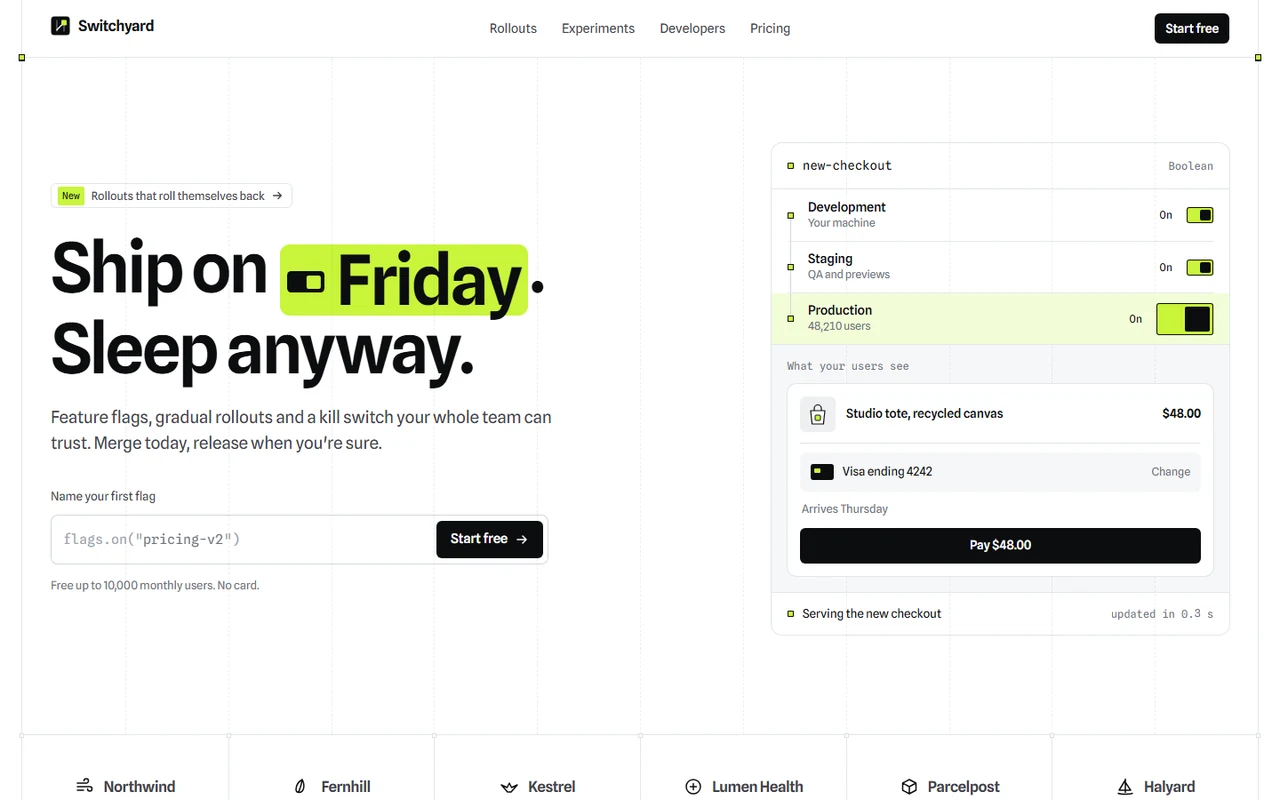
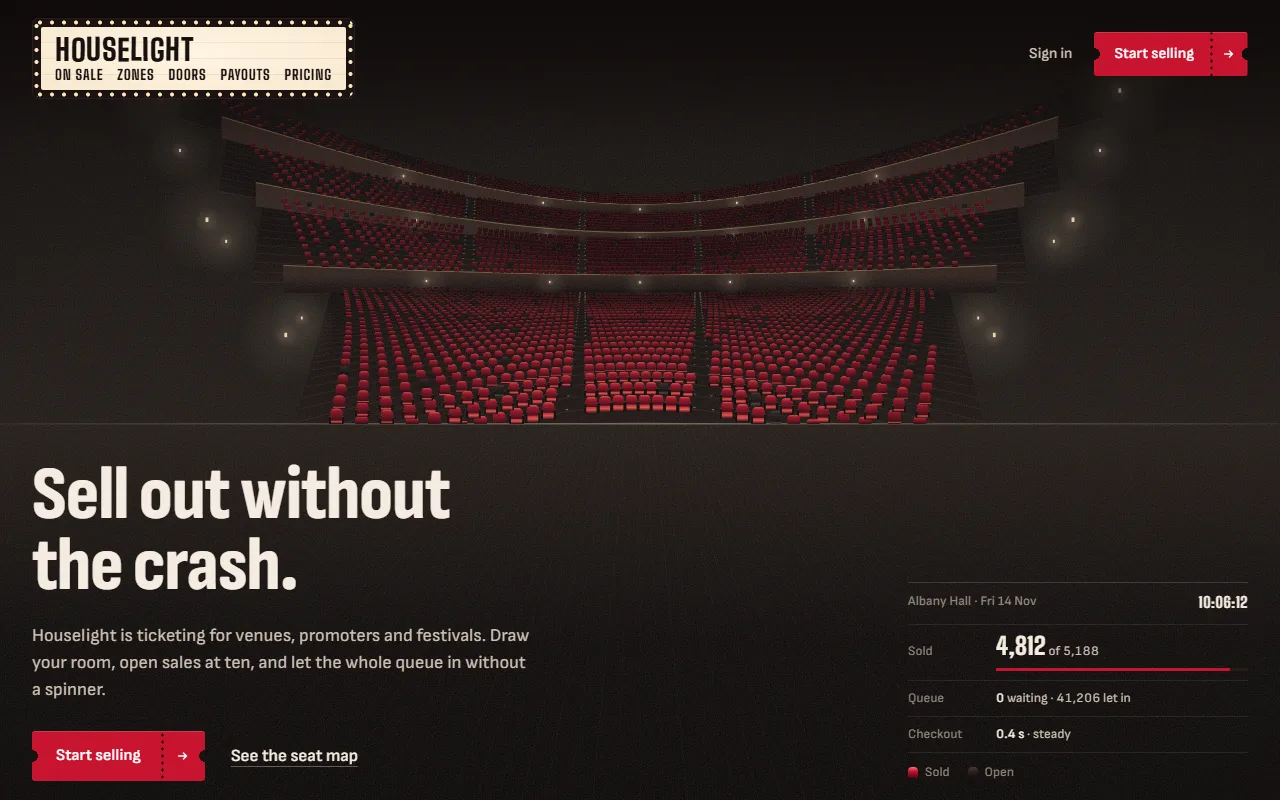
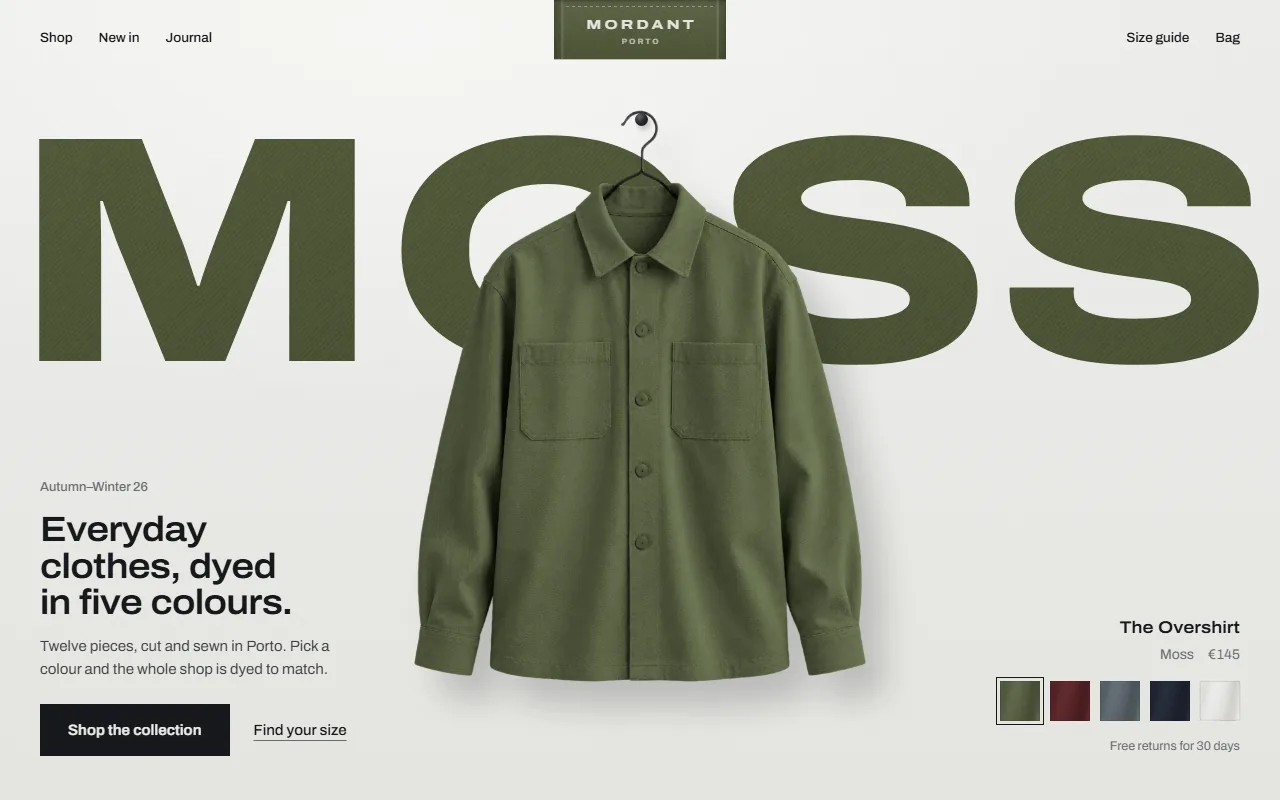
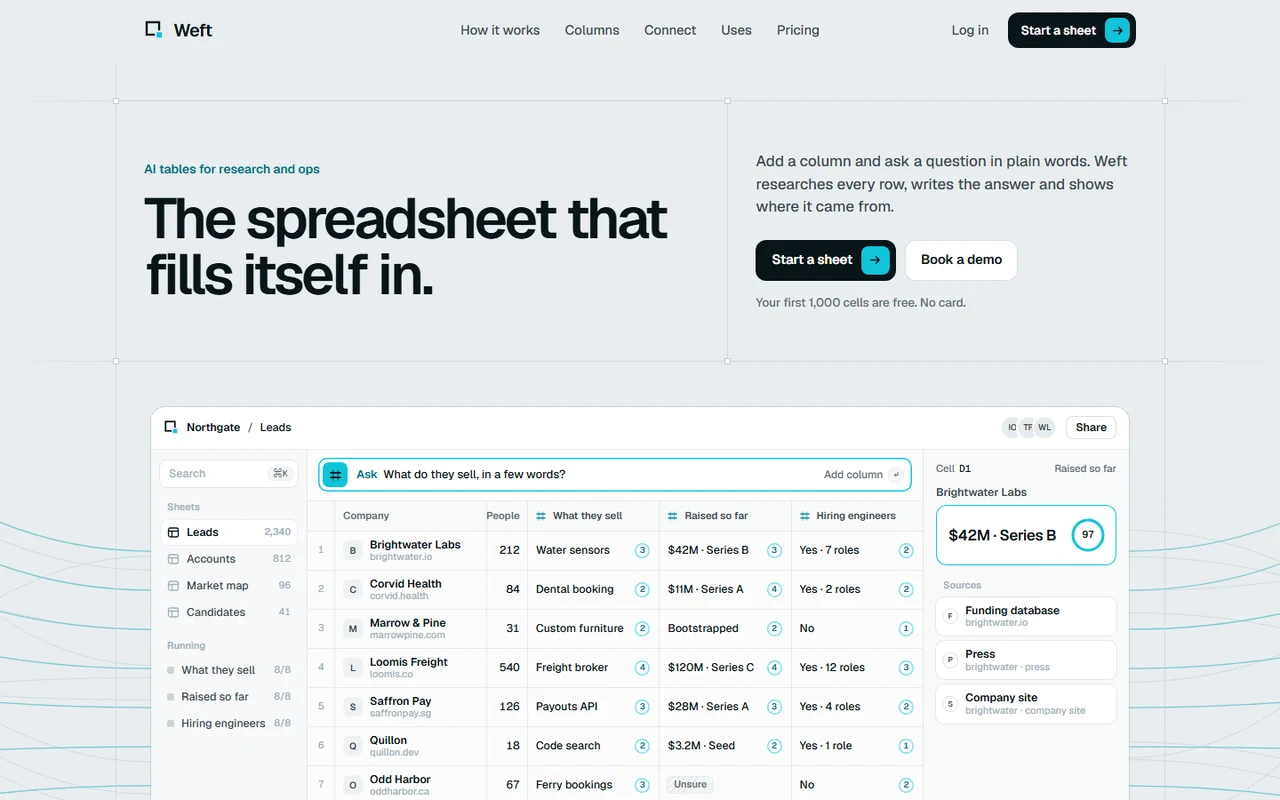
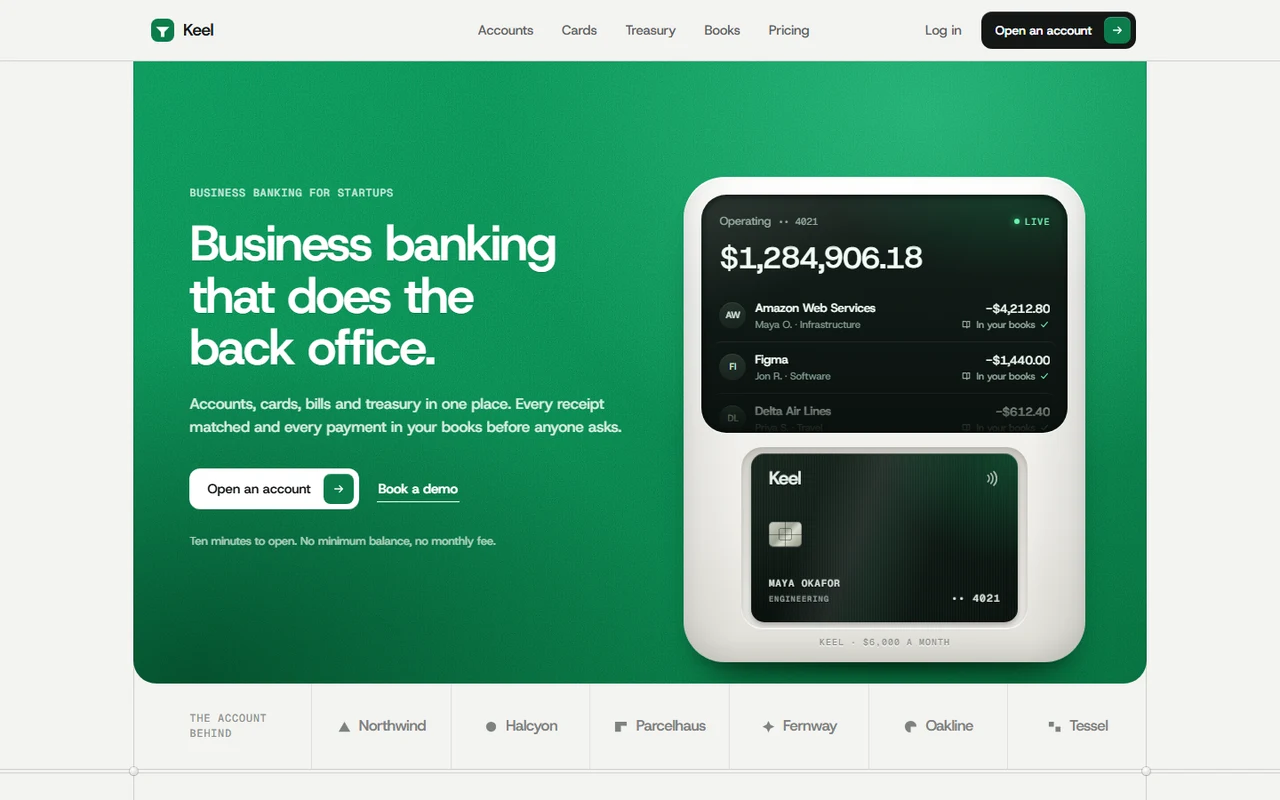
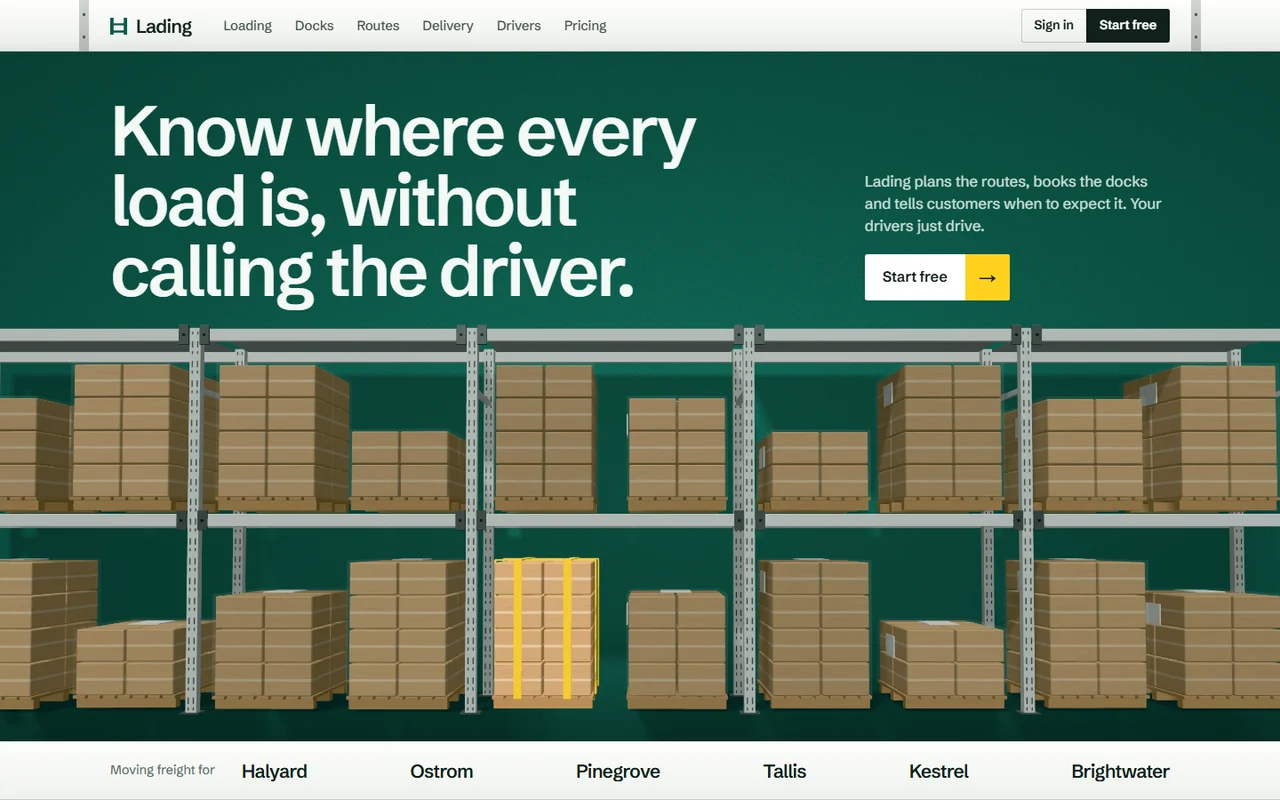
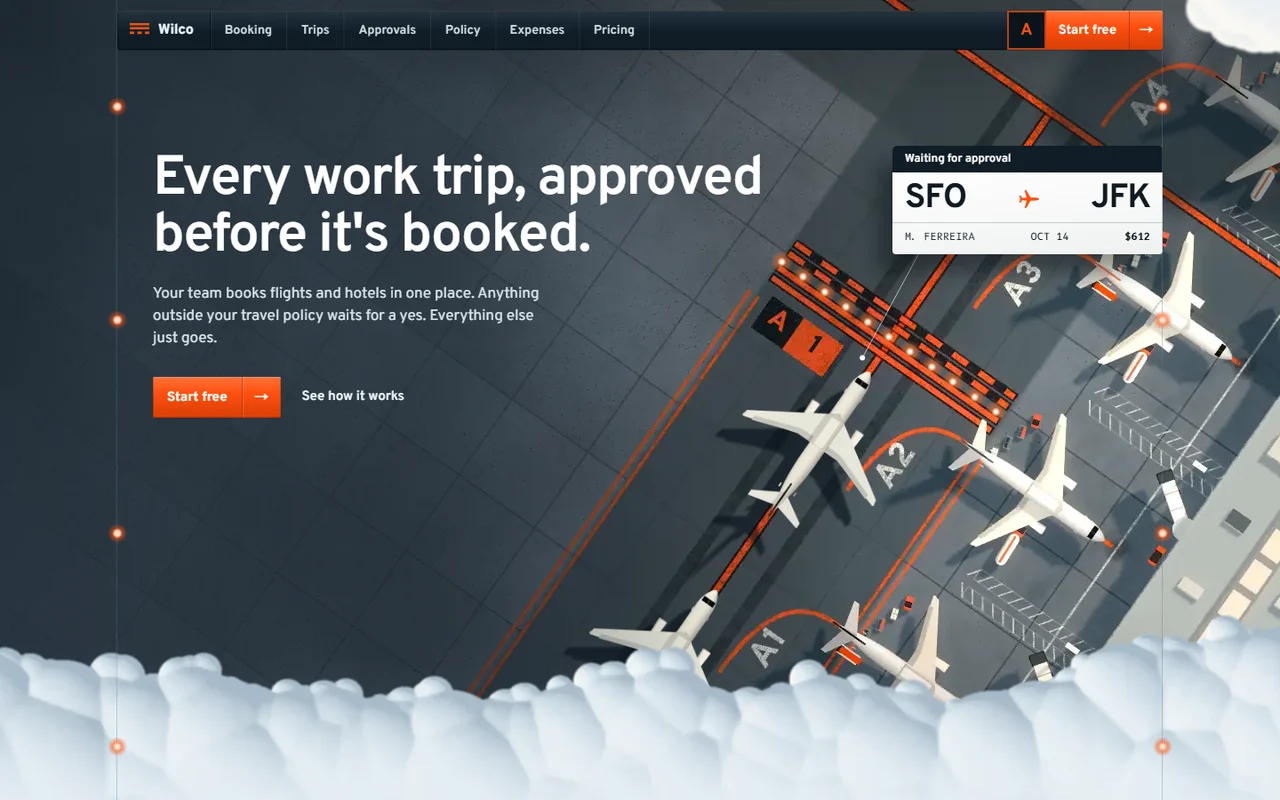
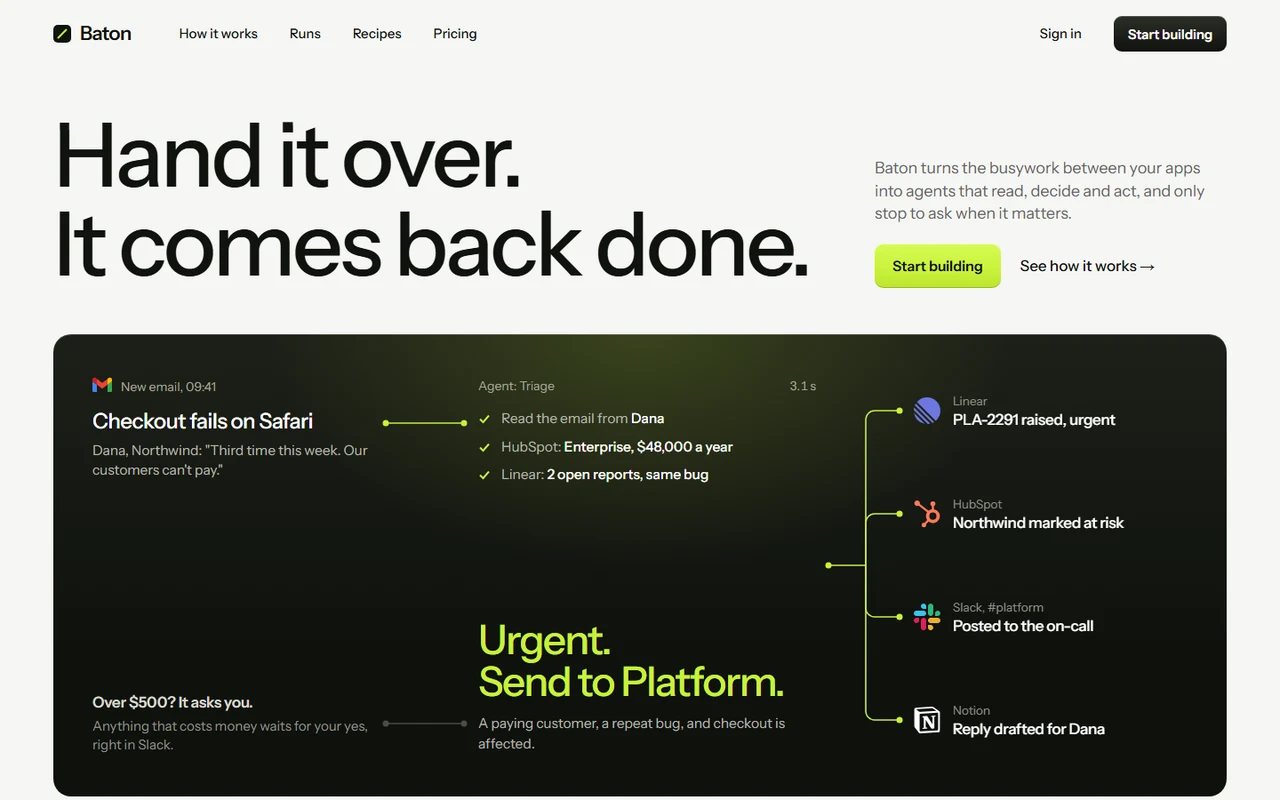
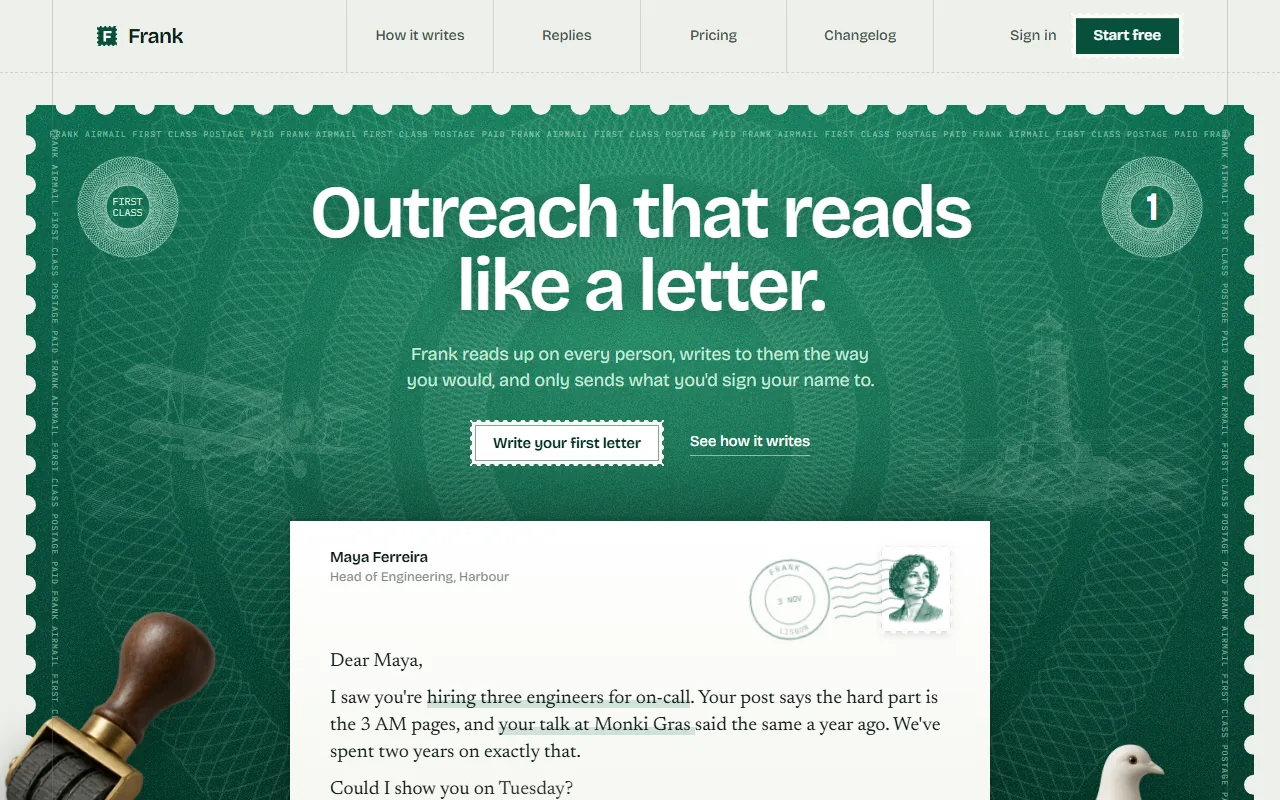
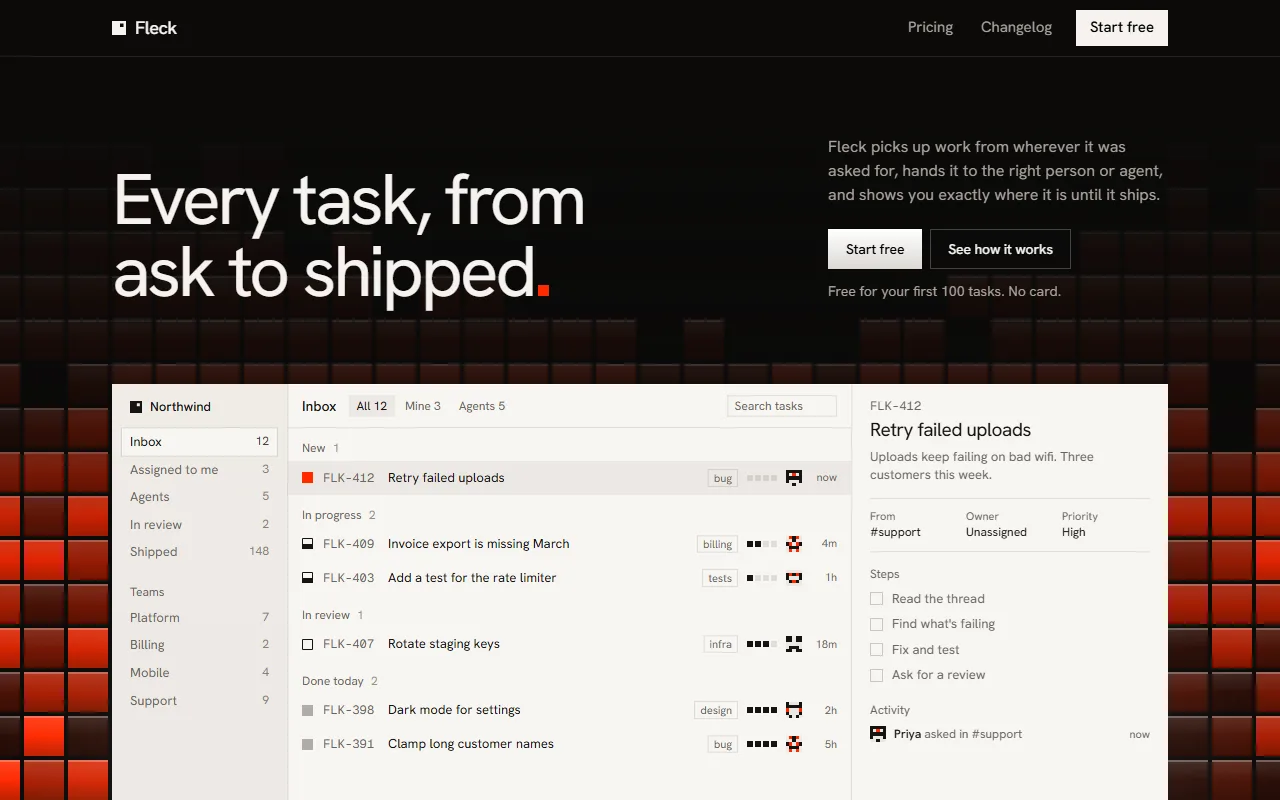
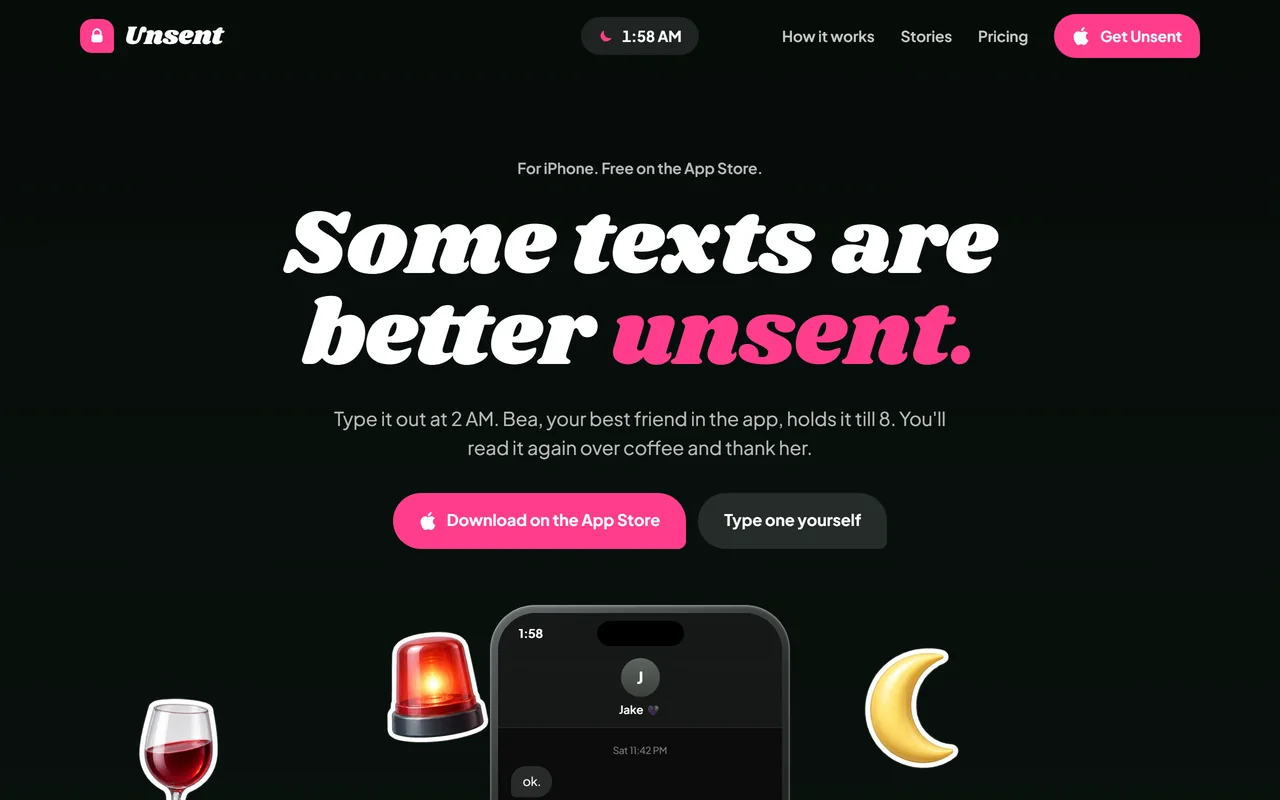
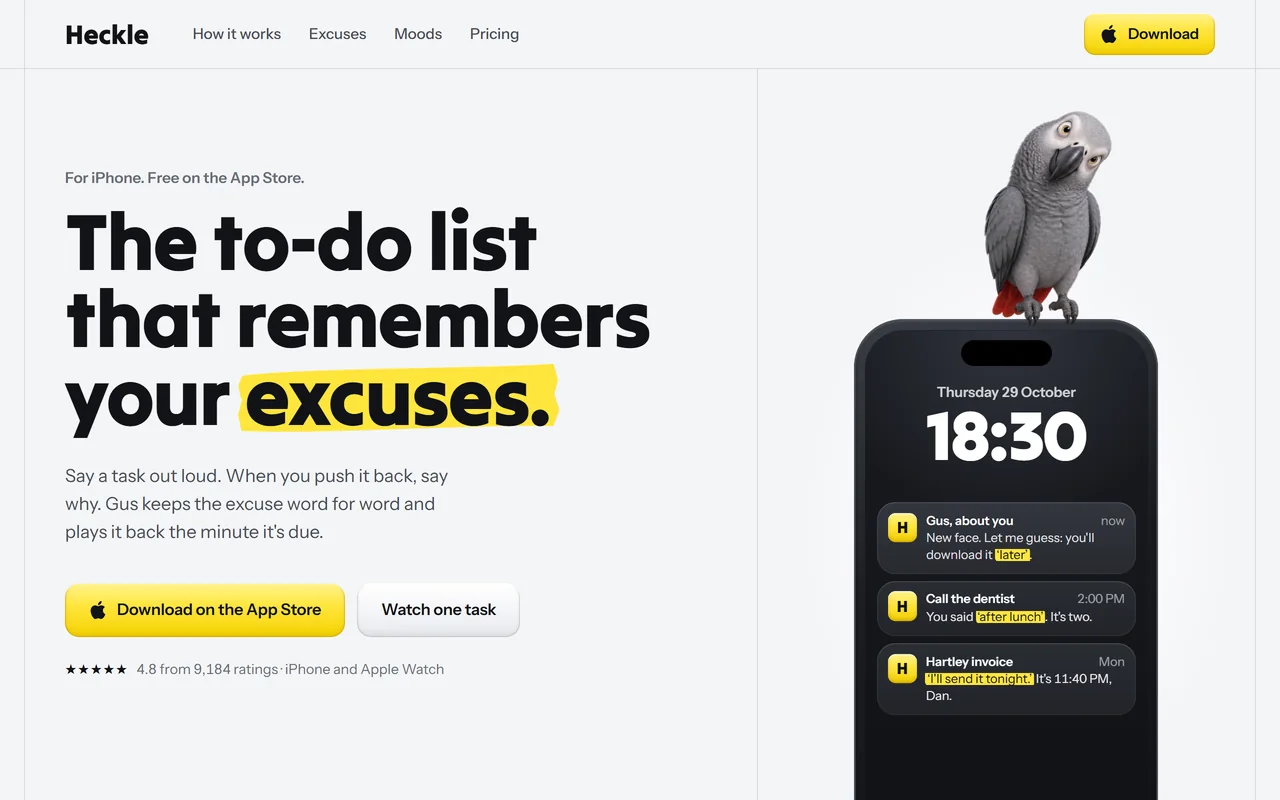
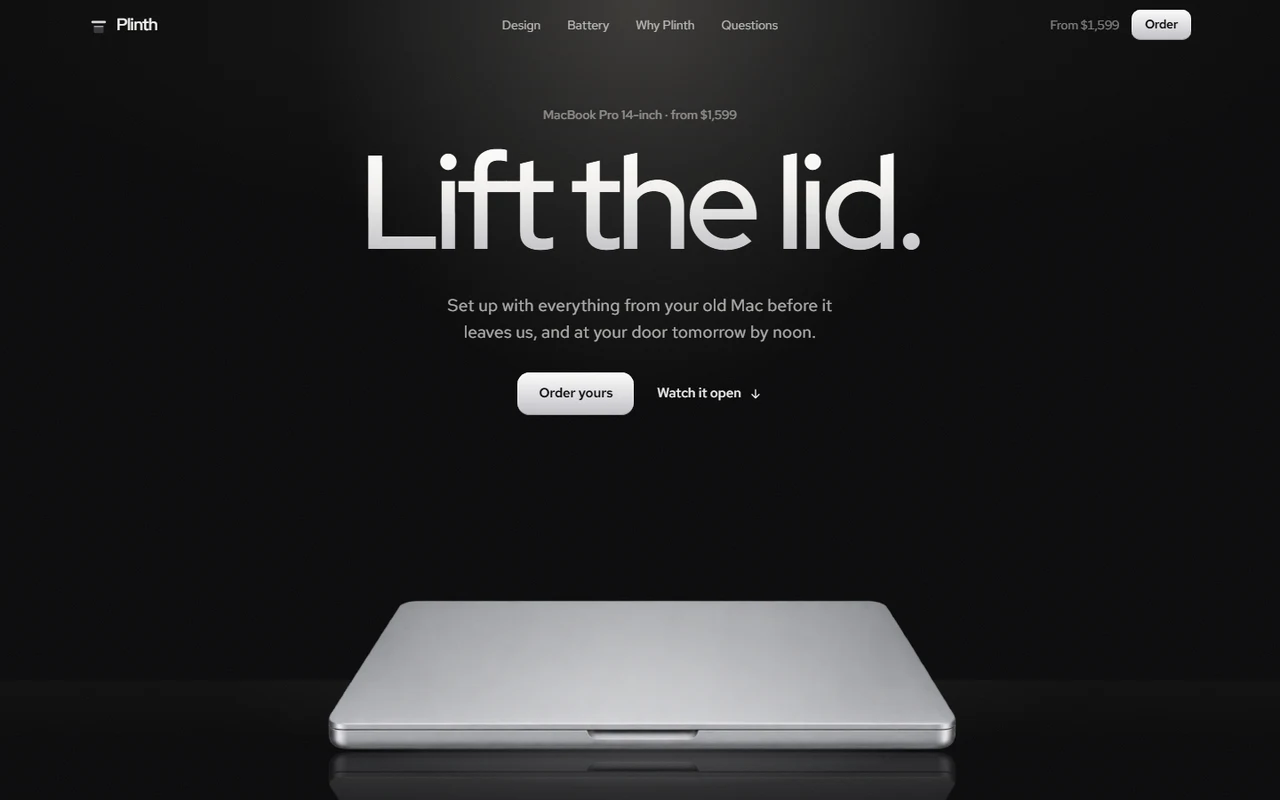
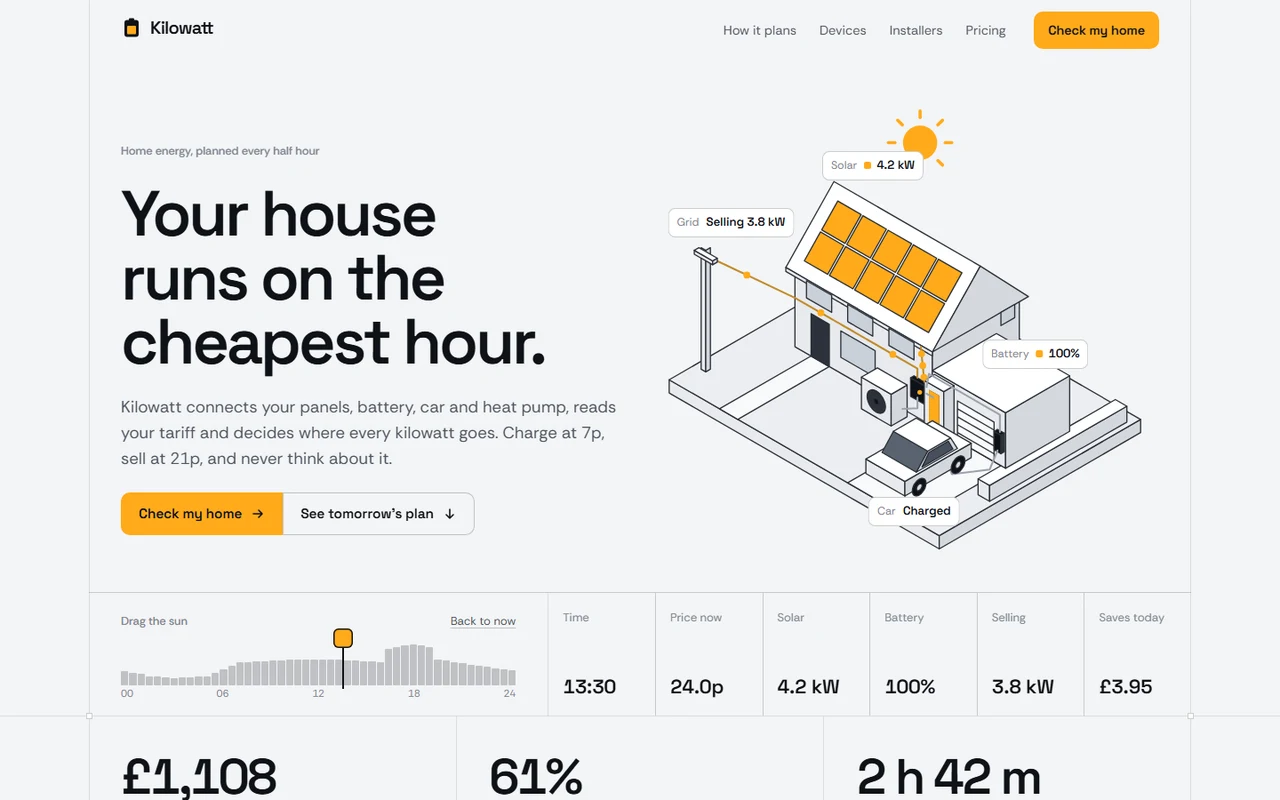
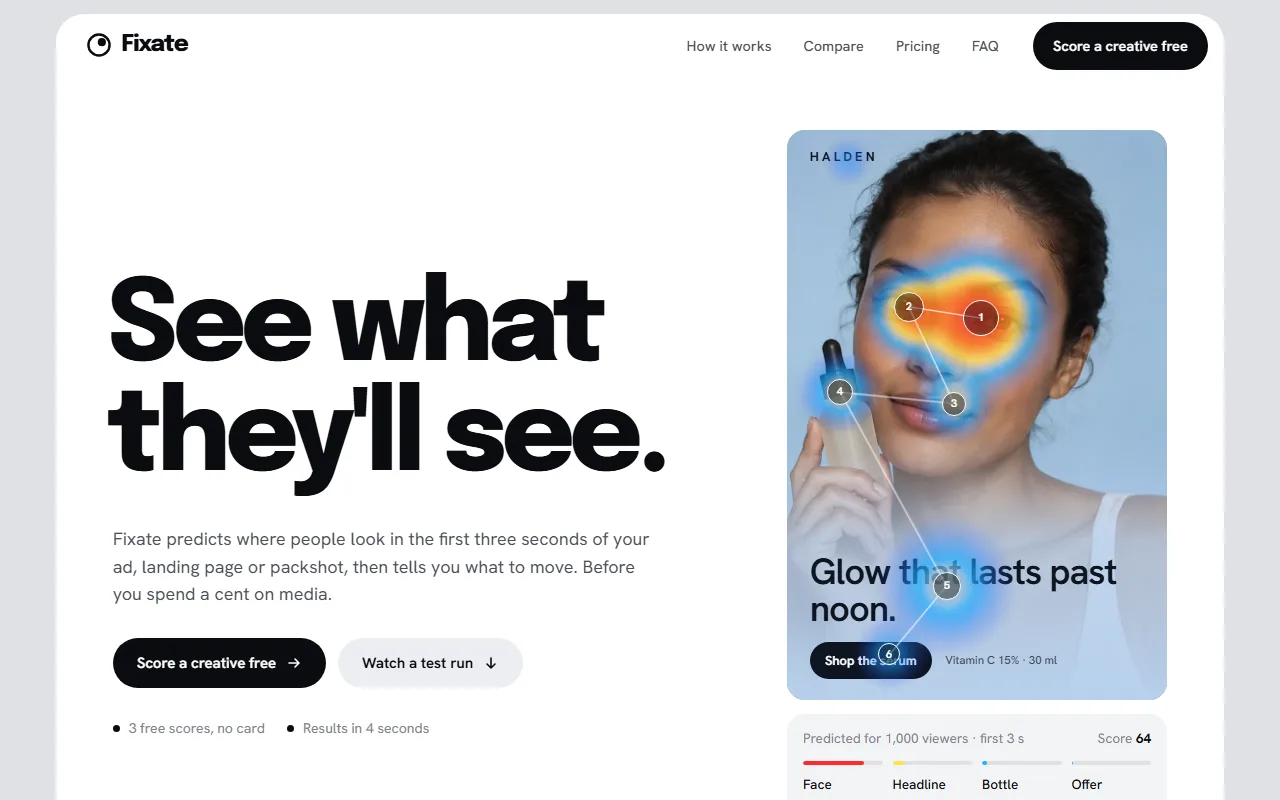
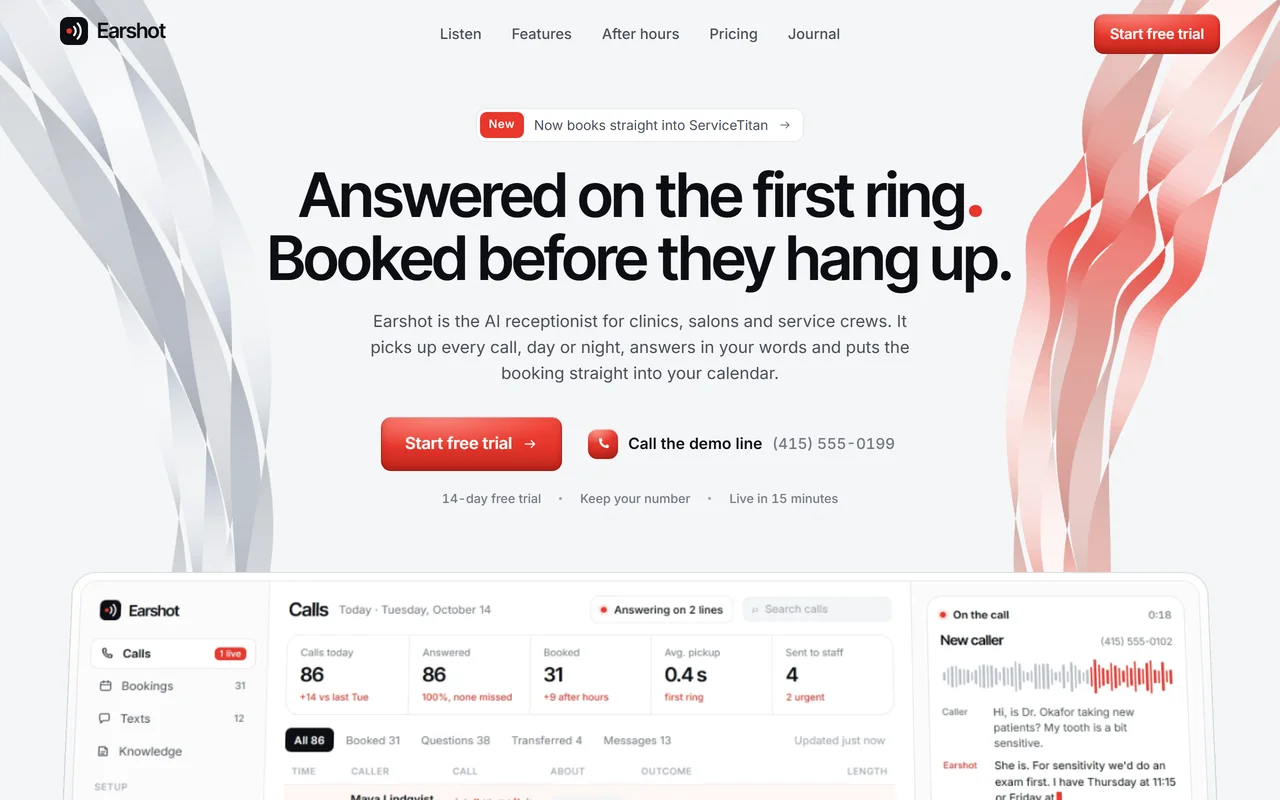
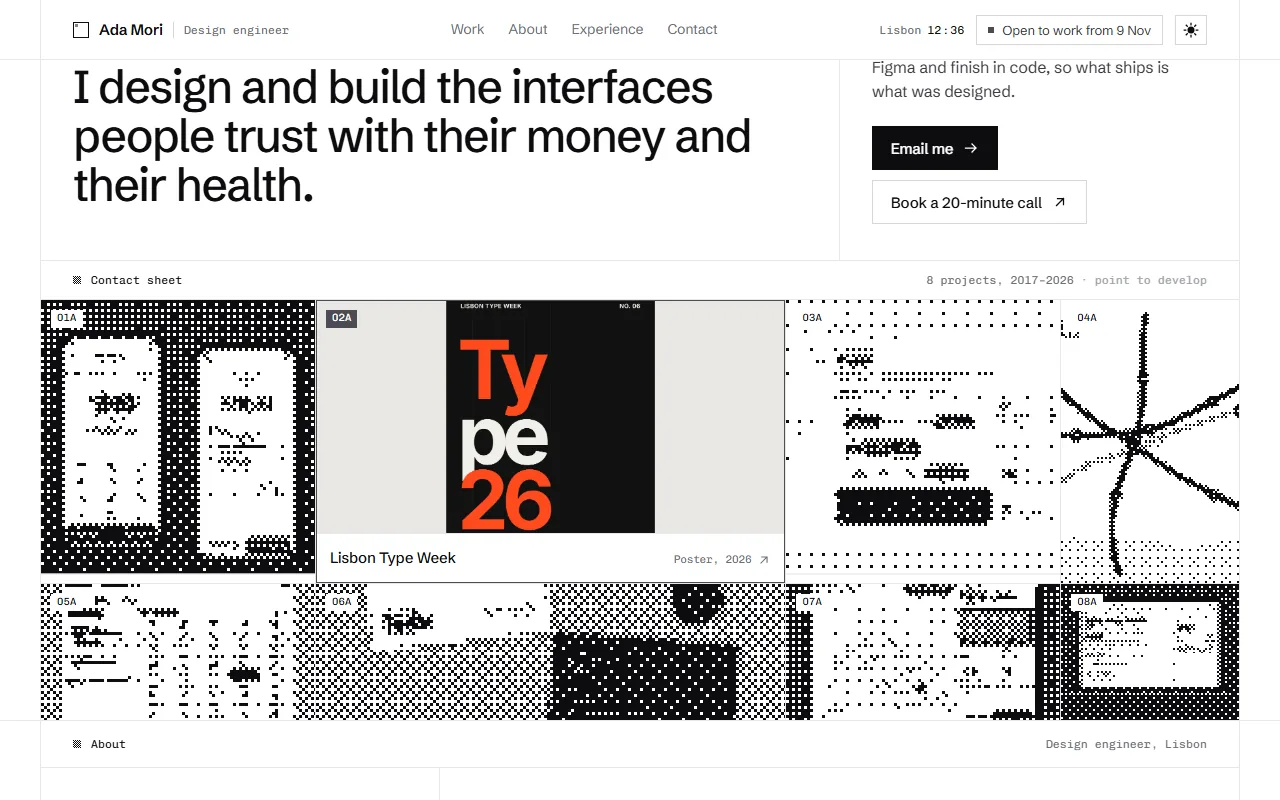
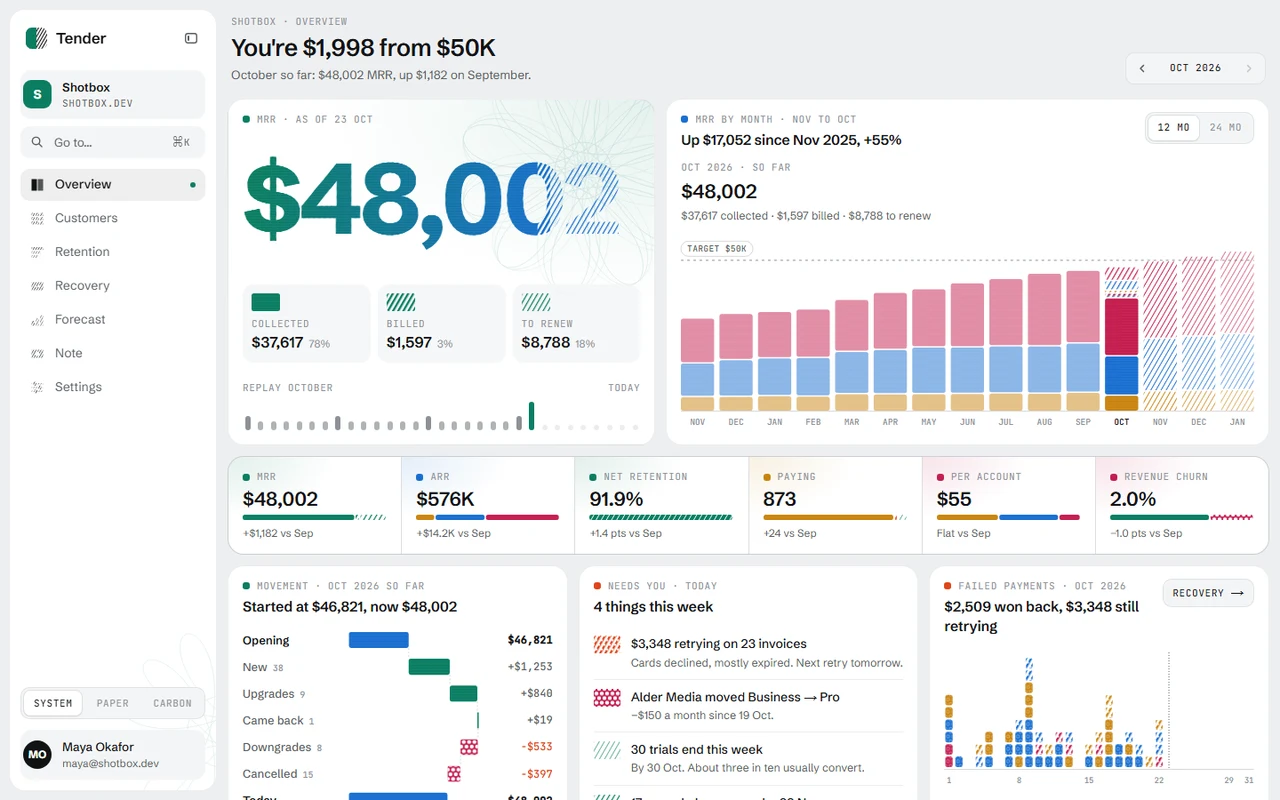
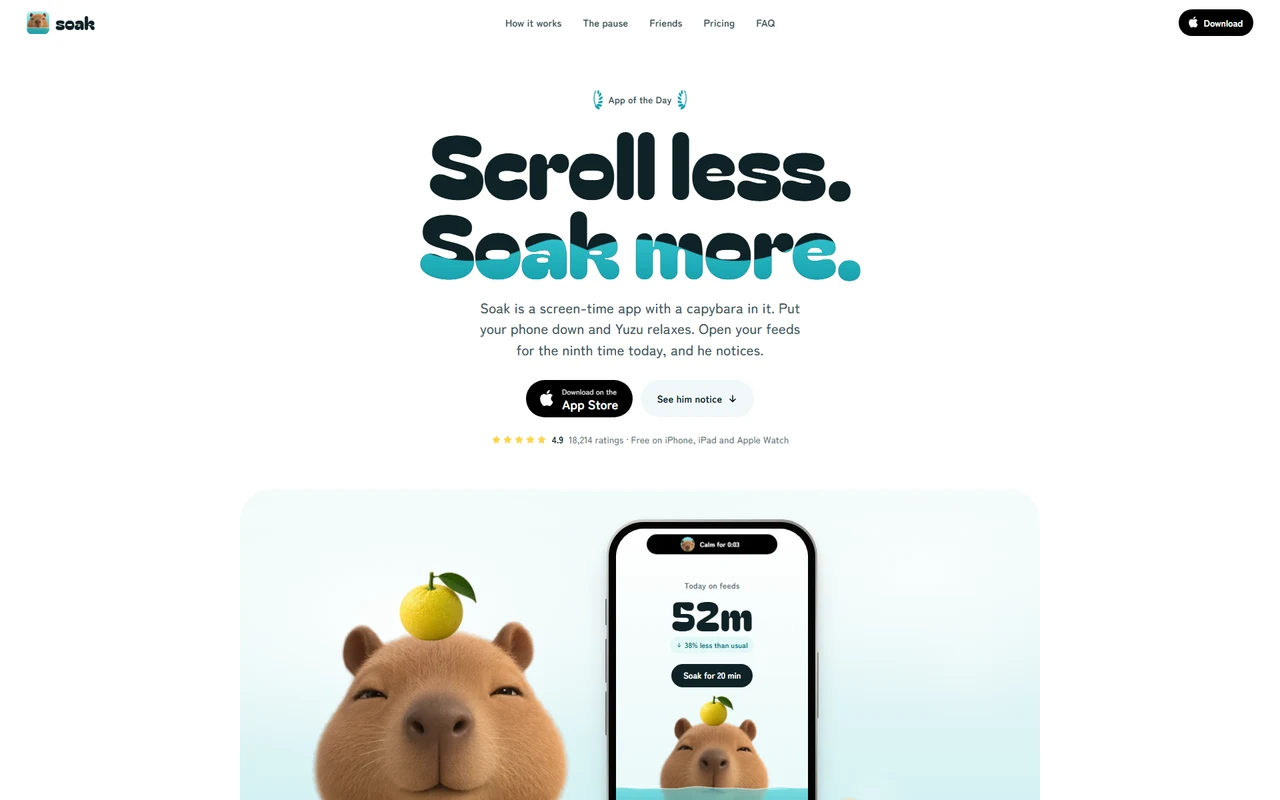
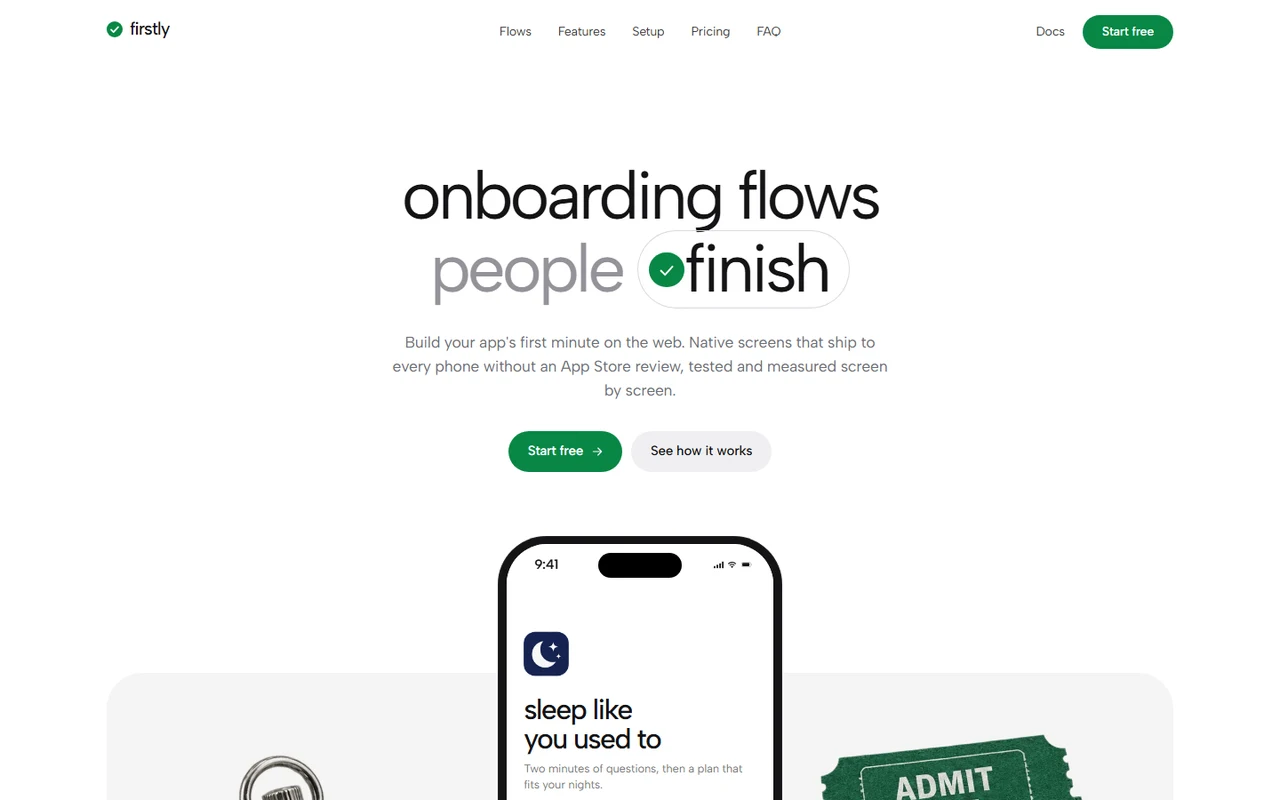
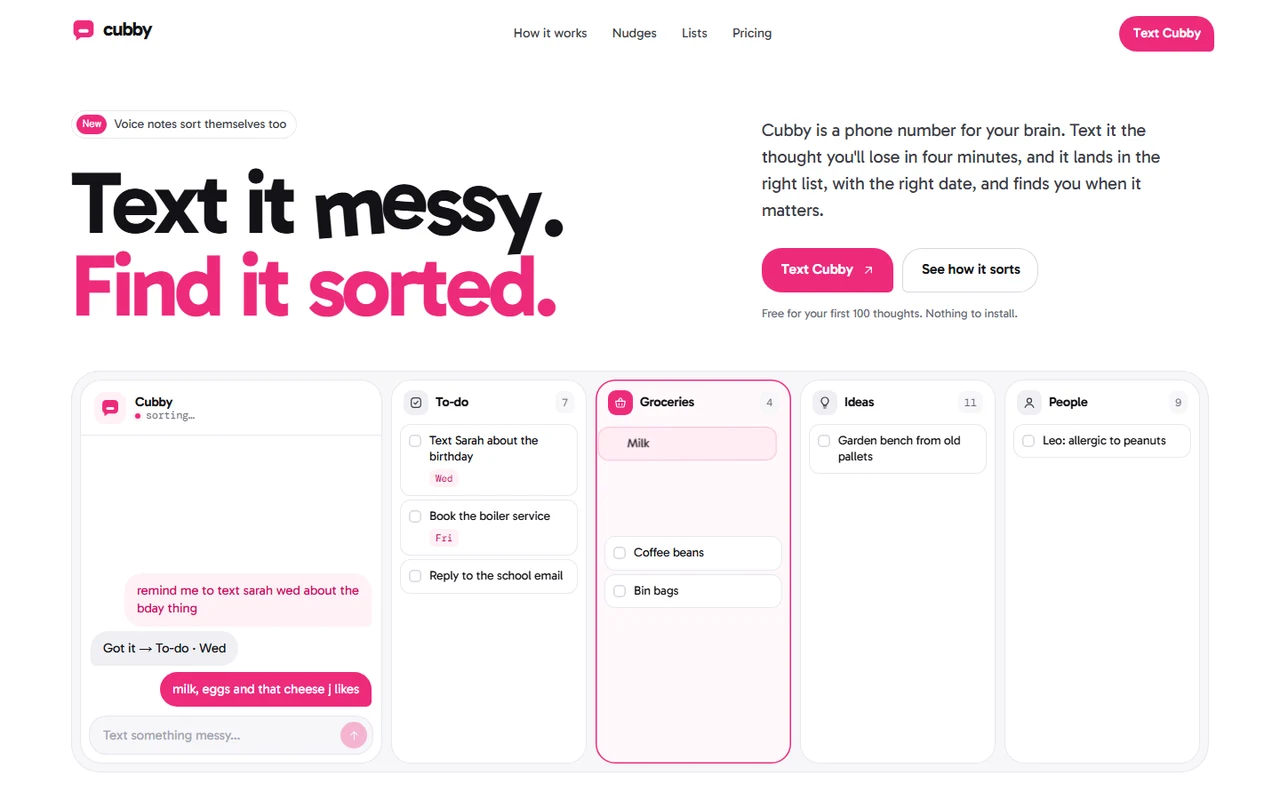
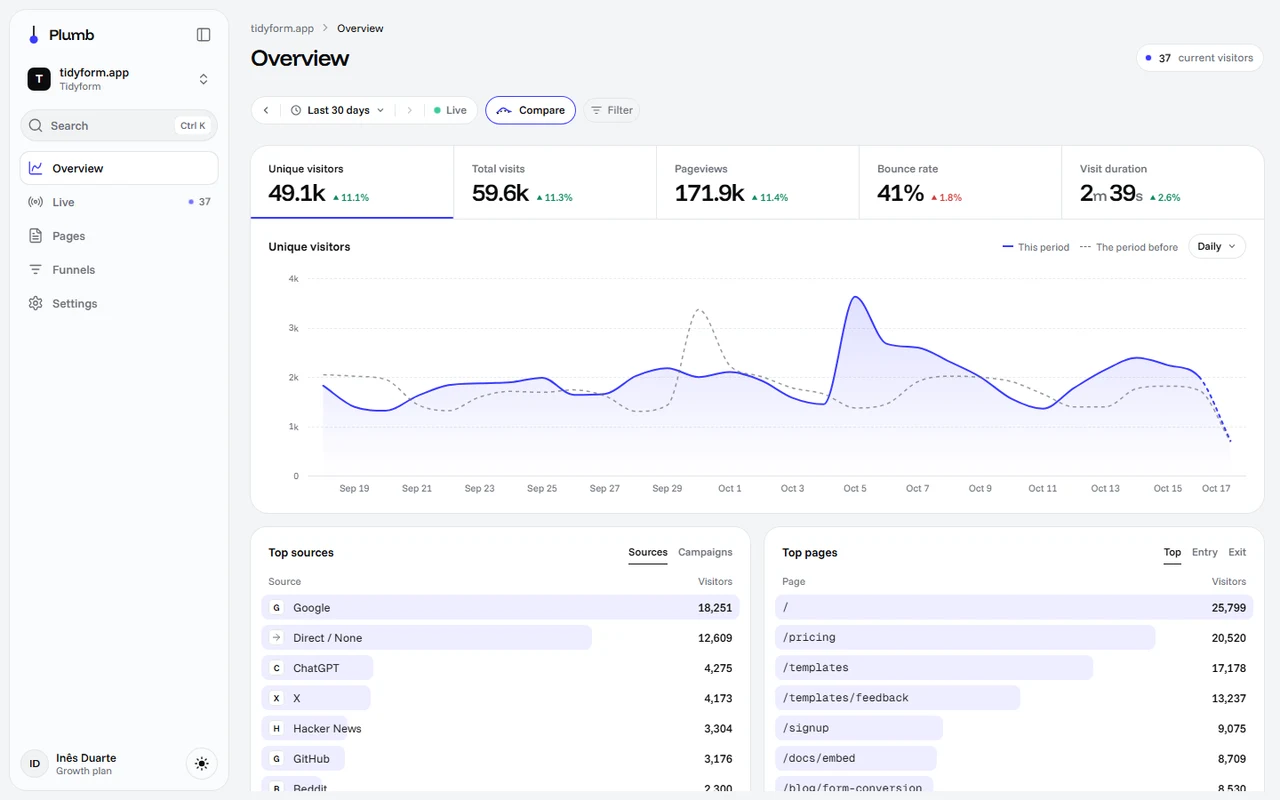
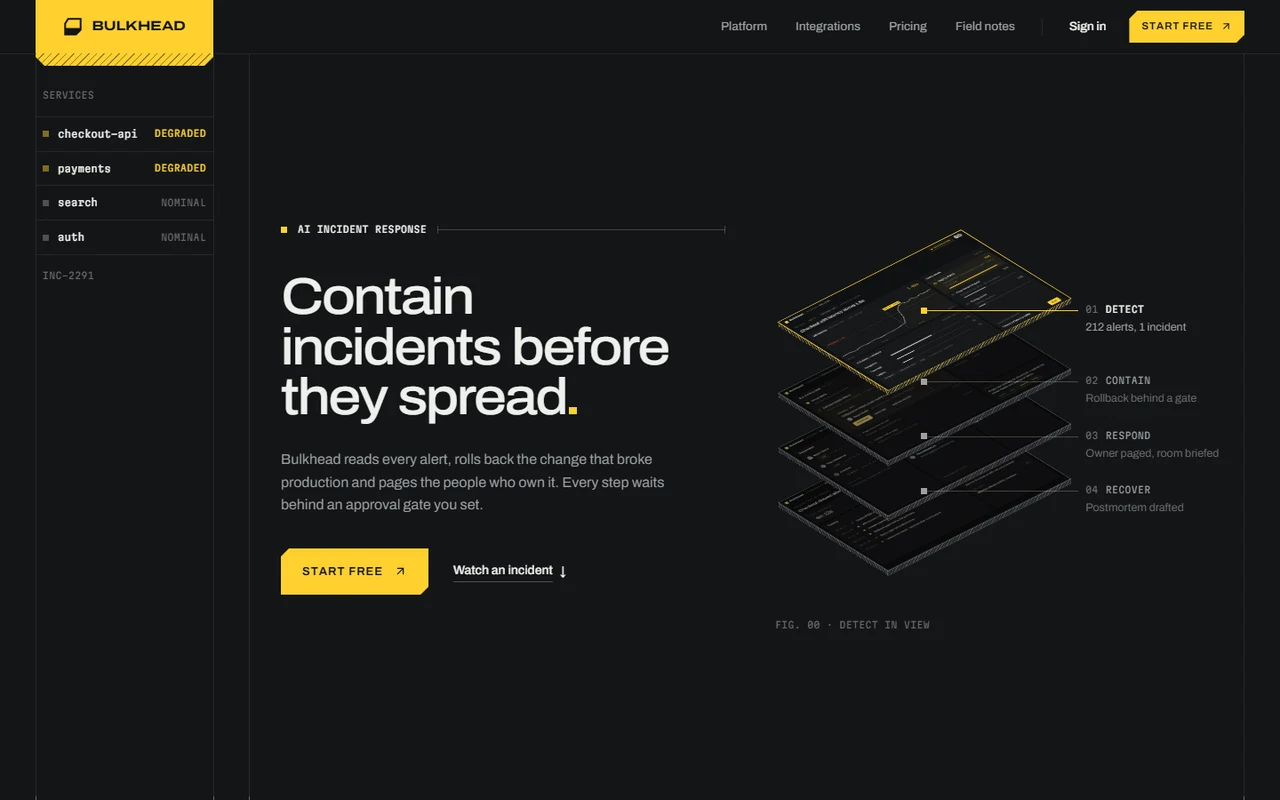
Three SaaS pages, nothing alike.
A concept is what makes this possible. Each of these starts from its own product idea, so none of them could be mistaken for another.
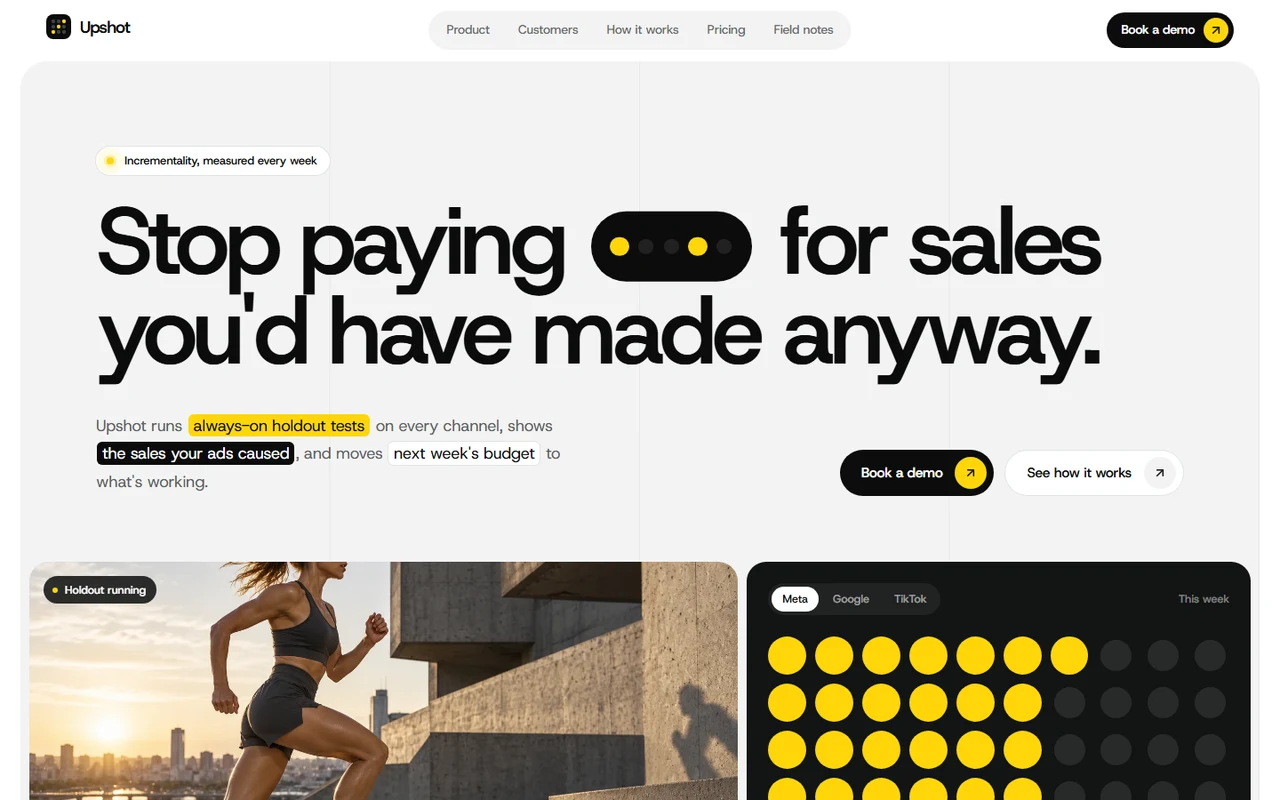
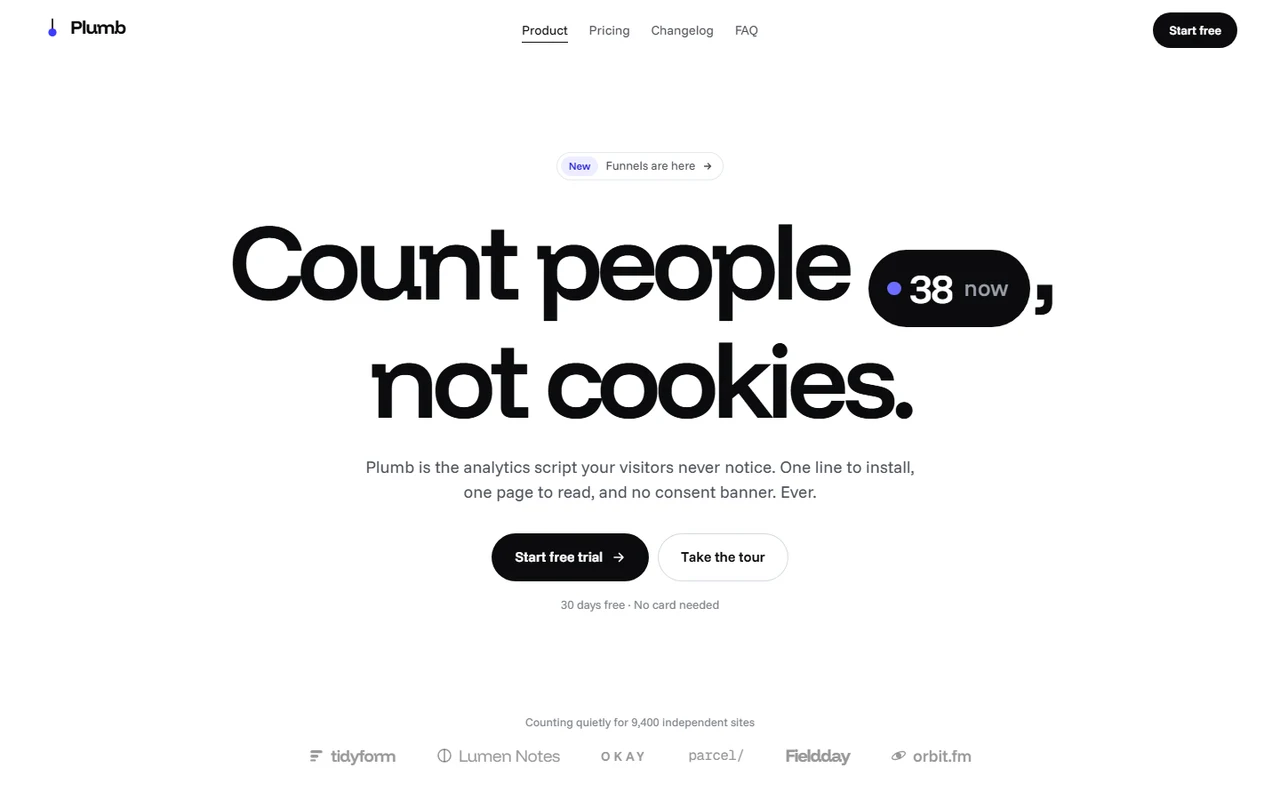
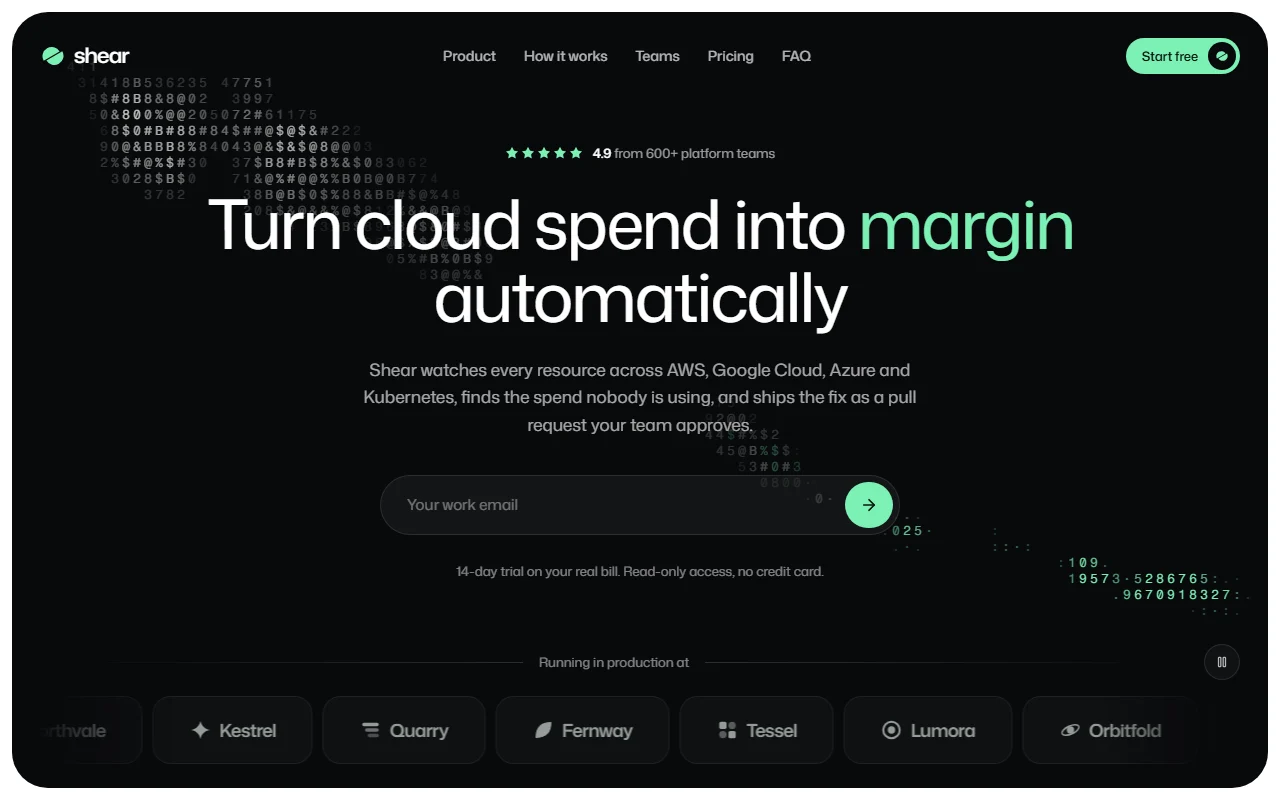
PlumbMotion-led indie SaaS landing page$39
Our advice
The approach we’d take
Use a generator to learn, then a template to launch
These aren’t rivals so much as different stages. Use a generator while you’re still working out what the product is and who wants it. When you’re ready to send people to a page and pay for traffic, put your now-clear message on a site that was designed.
Or combine them
Download a template, open it in Claude Code or Cursor and ask it to put your product in place while keeping the design. Our free template Relay ships with a guide written for this. Add components from /ui, or connect our MCP server so your agent can find and install them by itself. You get the speed of a prompt and a design that didn’t come from the average.
If you do generate, do these three things
Give it a real reference instead of adjectives, and name the things you don’t want, such as gradients, three feature cards or a pill above the headline. Replace every invented statistic and testimonial, because they’re the fastest giveaway. And check the result on a real phone, since that’s where generated layouts tend to fall apart.
Questions people ask next.
Why do AI-generated websites look the same?
Mainly because a model fills in whatever you didn’t specify with what it has seen most often, and most tools default to the same stack: React, Tailwind, shadcn/ui and Lucide icons. A short prompt therefore returns the statistical average of a landing page. That’s our reading of the pattern, and it improves considerably with a detailed brief and real references.
Are v0, Lovable and Bolt bad?
No. They’re remarkable at what they do, and we recommend them above for prototypes and for building real apps without code. They are simply less suited to a marketing page whose whole job is to look like nobody else’s, unless you put serious design direction into the prompt.
Is a template cheaper than an AI website builder?
For a single landing page over more than two months, usually. A template is $39 once; v0 Plus is $30 per user a month, and Lovable Pro and Bolt Pro start at $25 a month, as listed on 3 November 2026. Those plans do far more than one page, so this comparison only holds if a page is all you need.
Can AI customise a Hairline template for me?
Yes. Each template is ordinary Next.js and TypeScript with one config file, which coding agents handle well. Relay also ships with a guide for agents. You’ll still want to check the result yourself.
Do Google and other search engines penalise AI-generated sites?
Google’s published position targets low-quality content made to manipulate rankings, however it was produced, not AI as such. What hurts is thin, generic pages, whichever way they were made, and the same goes for an unedited template.
Sources, read November 3, 2026
- v0 pricing
- Lovable pricing
- Lovable subscription plans
- Bolt pricing
- Google Search’s guidance on AI-generated content
Prices and features change, so check their site before you buy. If we’ve got something wrong, tell us at the address in the footer and we’ll fix it. Product names belong to their owners, and this page isn’t affiliated with them.
Not quite what you’re after? Keep looking.
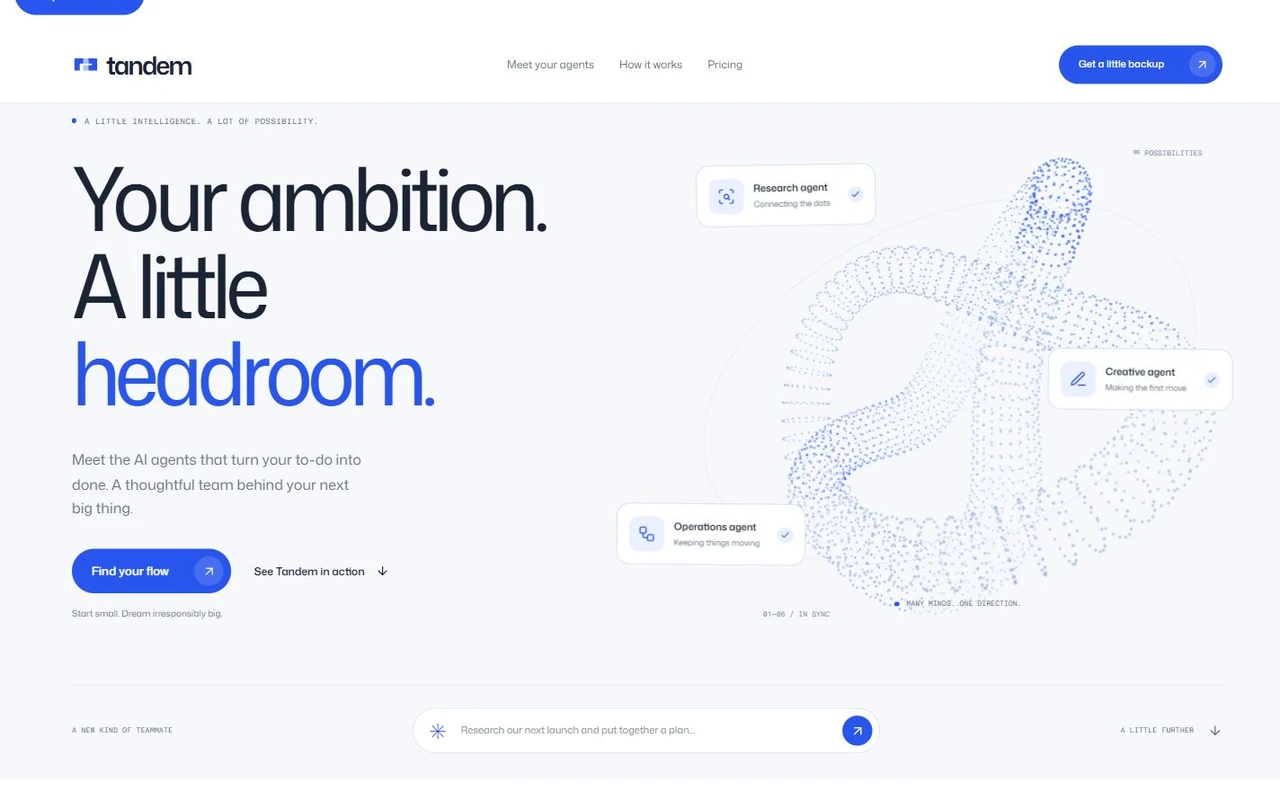
Your next landing page, already finished.
Pick a template tonight, make it yours in one file, and ship it by the weekend.