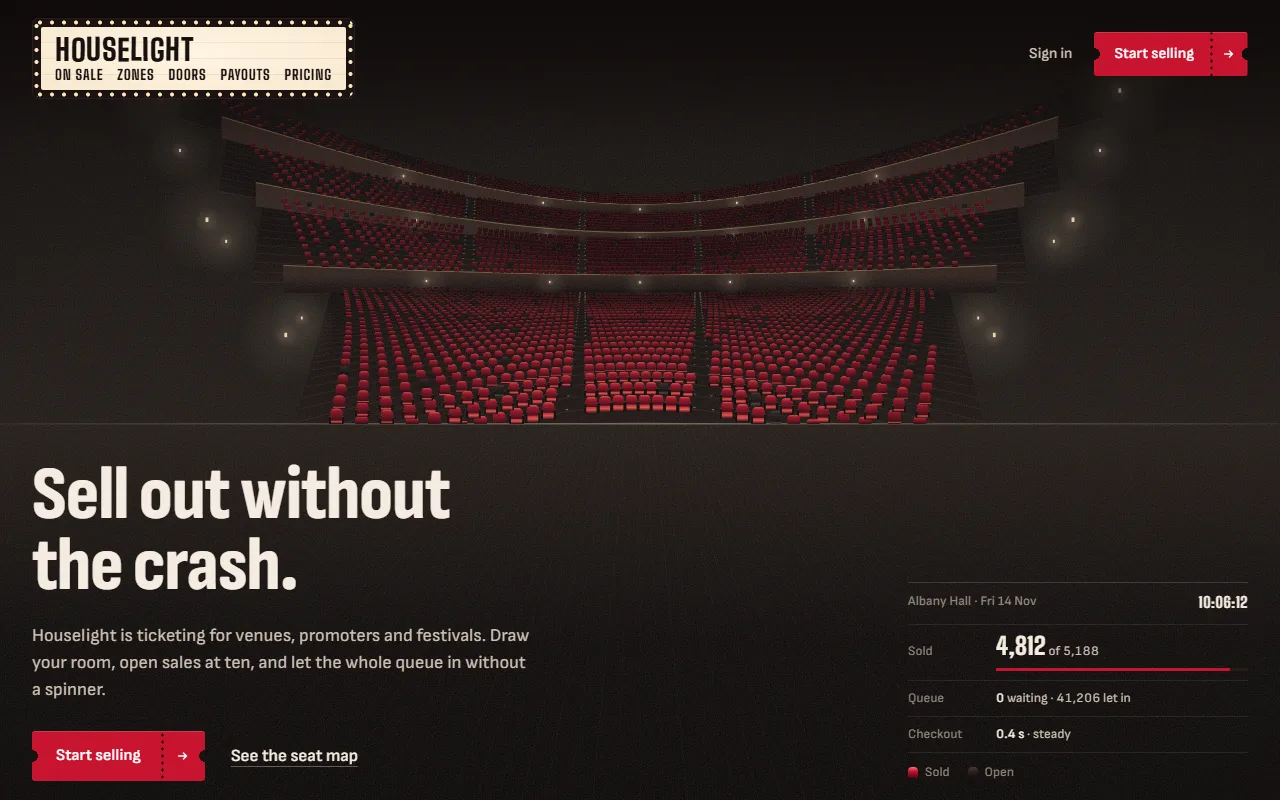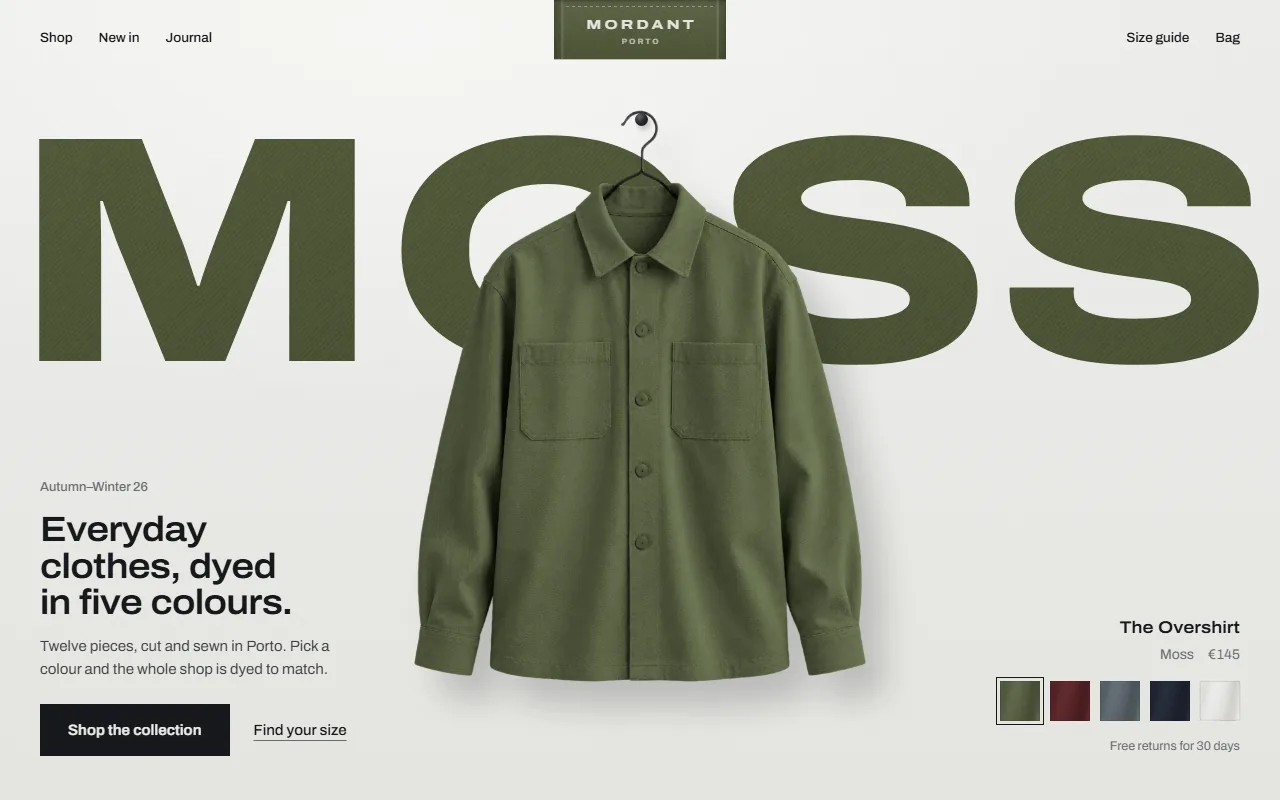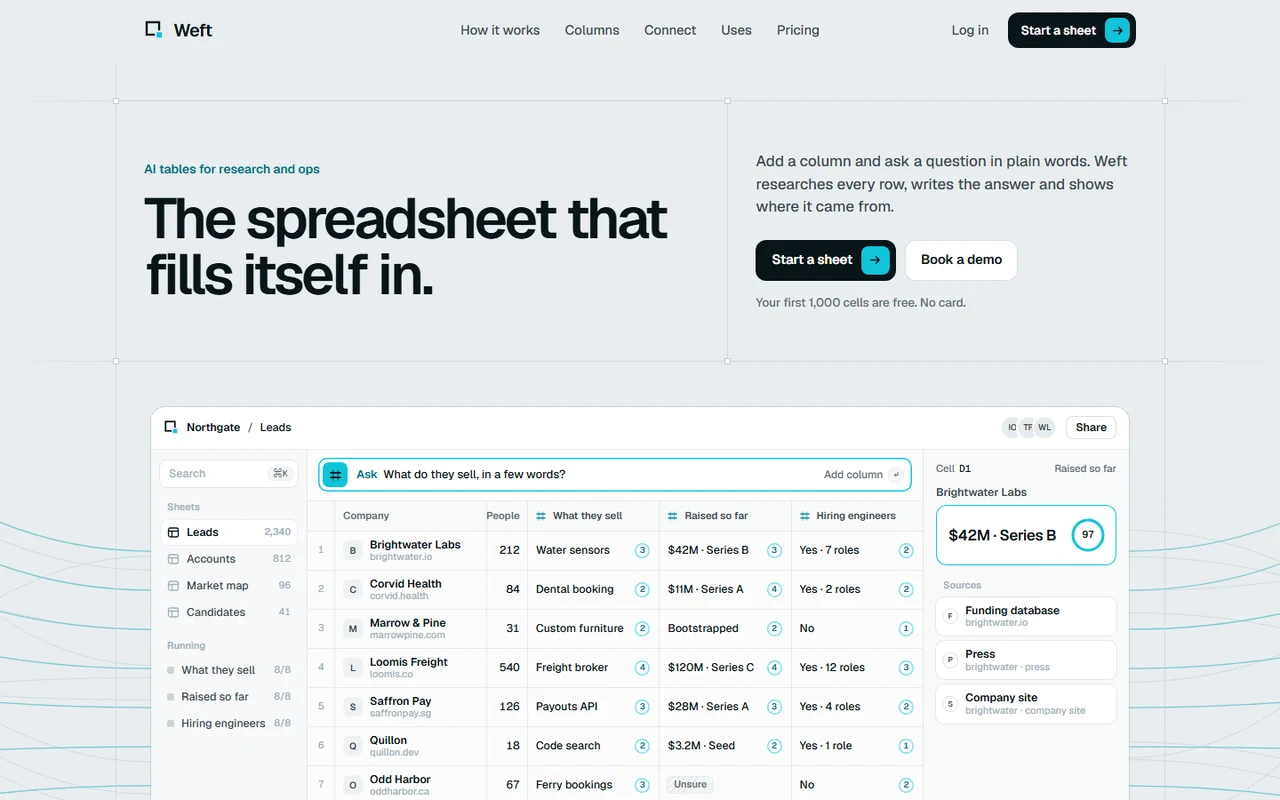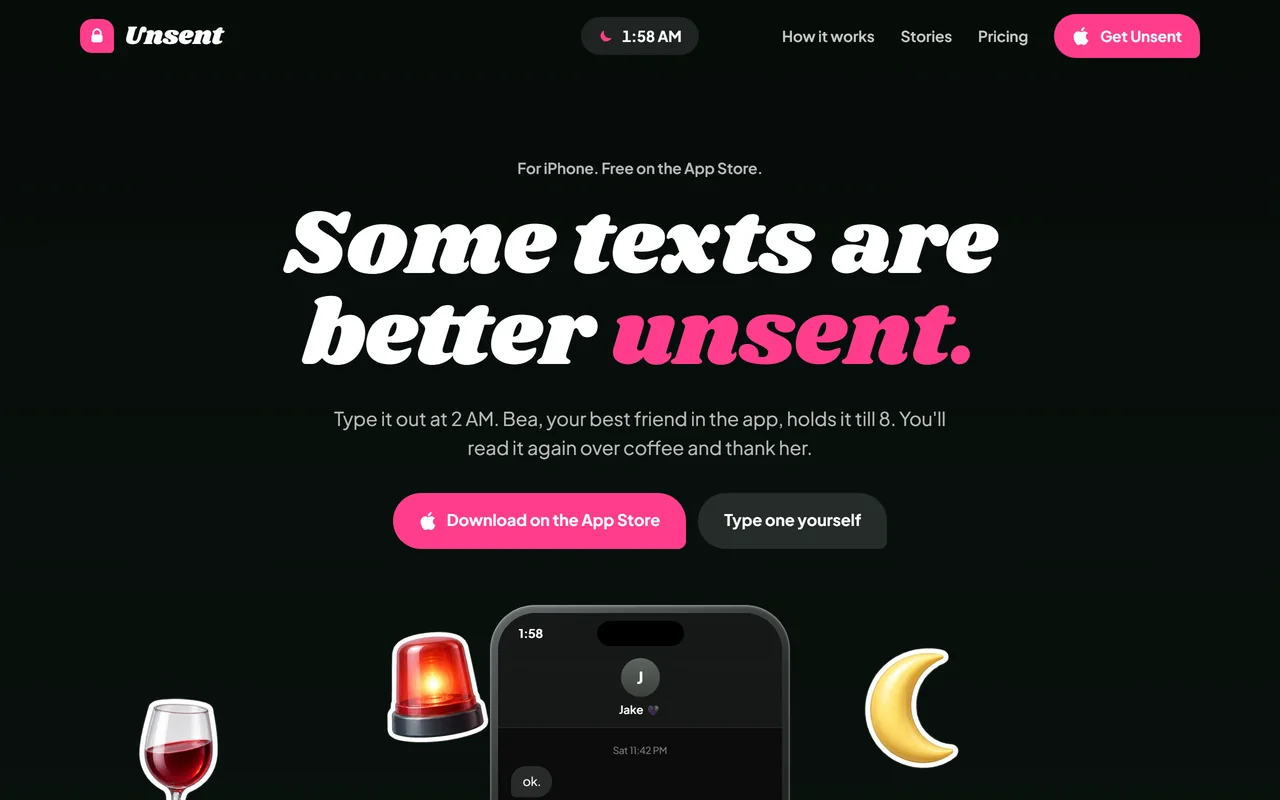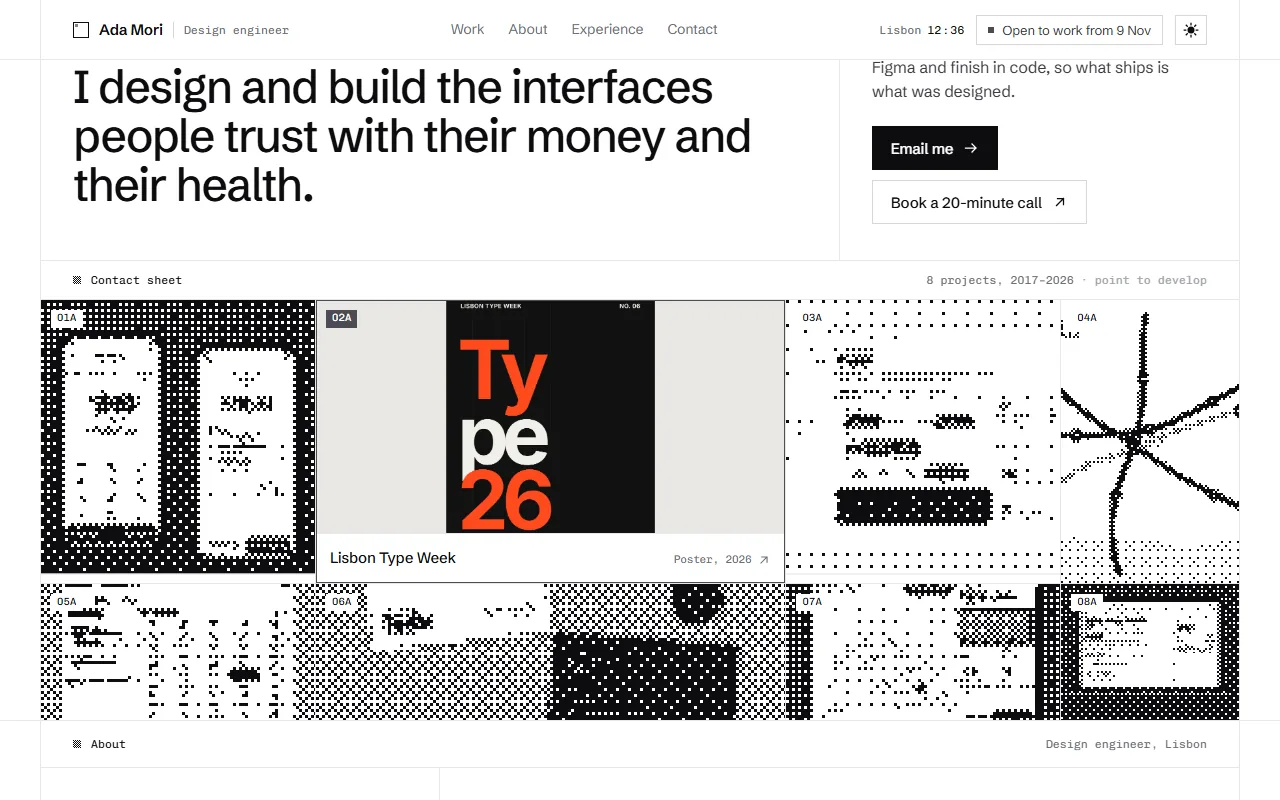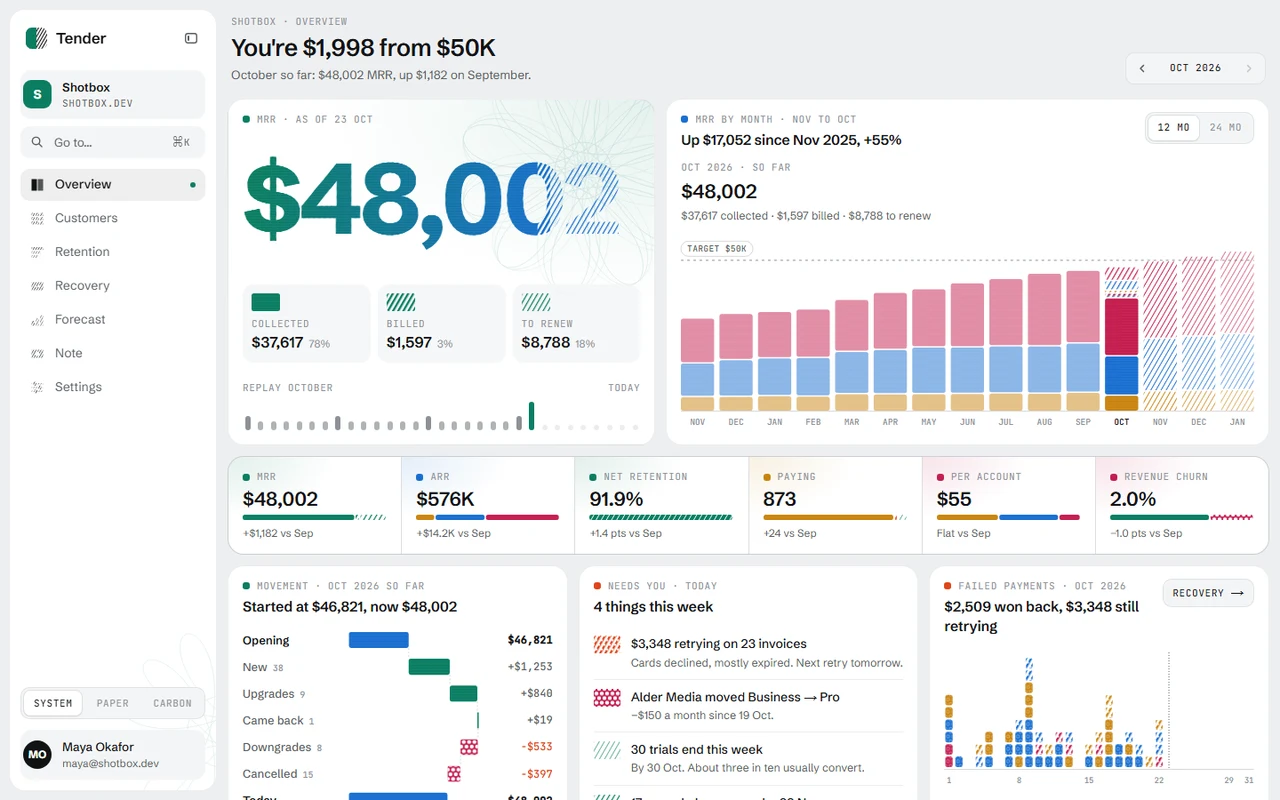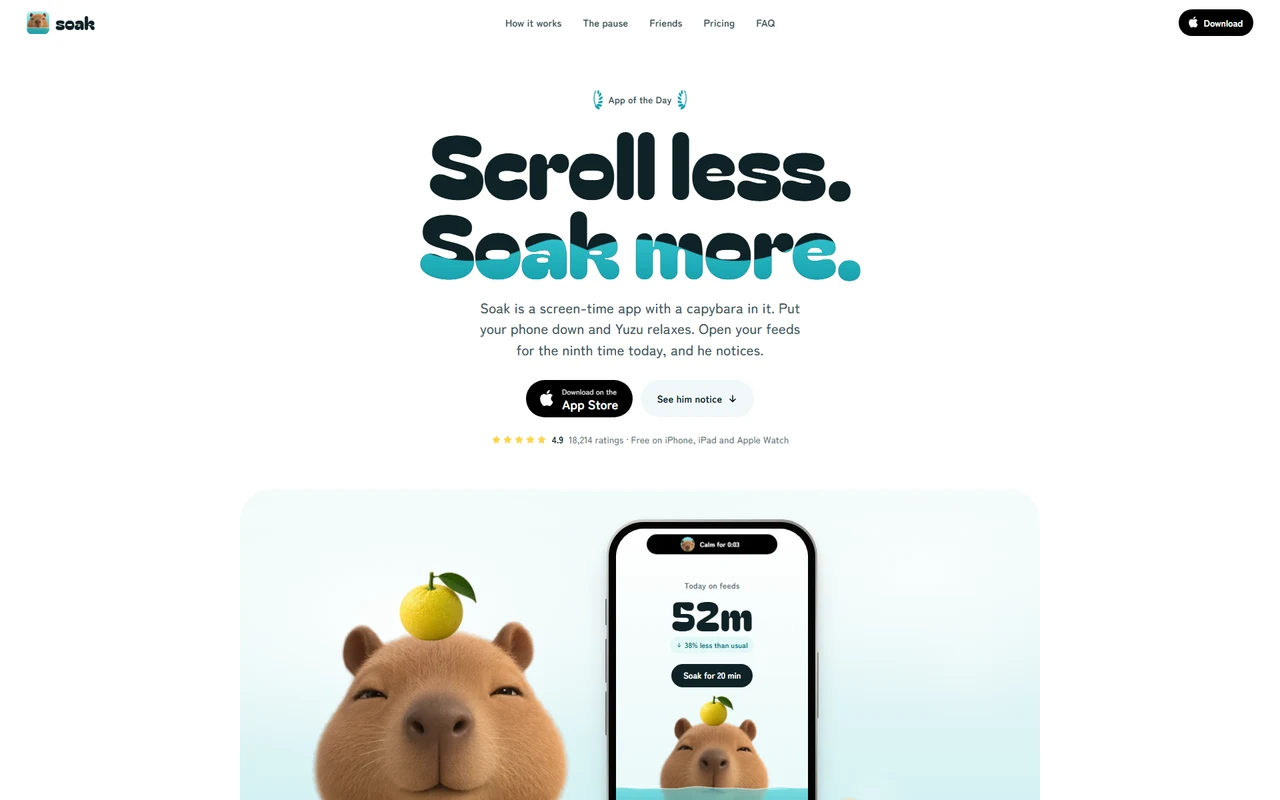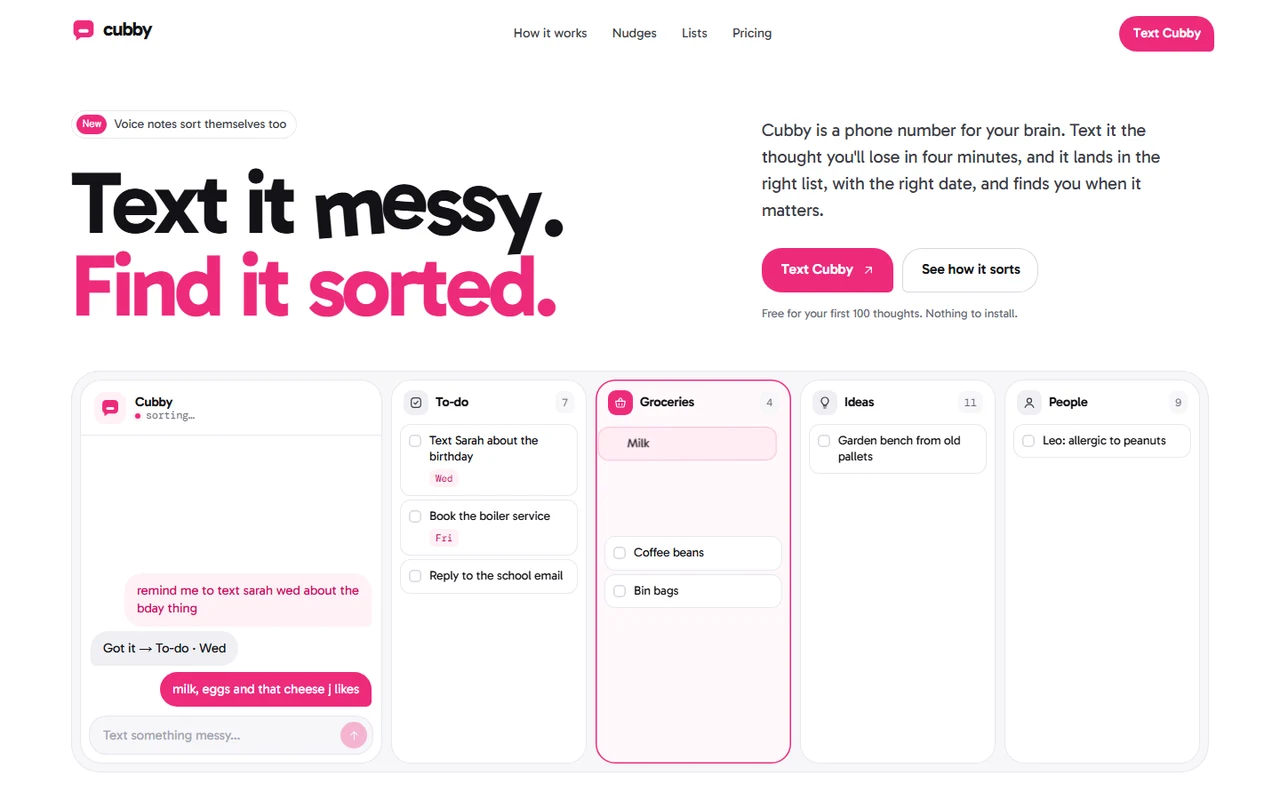
SaaS landing page templates that don’t look generic.

Most SaaS templates are the same seven sections in a new colour. These start from a product idea instead: a page behind feature flags, a page that counts its own visitors, dots that separate claimed sales from real ones. You keep the idea and swap in your product.

In this collection
18 templates
Price
$39 each, one time
Free to download
None here, 6 elsewhere
Every template, ever
$159 once
Built with
Next.js 16, React 19
Median mobile Lighthouse
92

UpshotMotion-led marketing measurement SaaS landing page$39

Pick the idea closest to your product.

Each template has one strong idea running through it. Find the one nearest to what you sell, because that idea is the part a generic template can’t give you.

  1. Analytics, attribution or any product that sells on proof

    Upshot$39

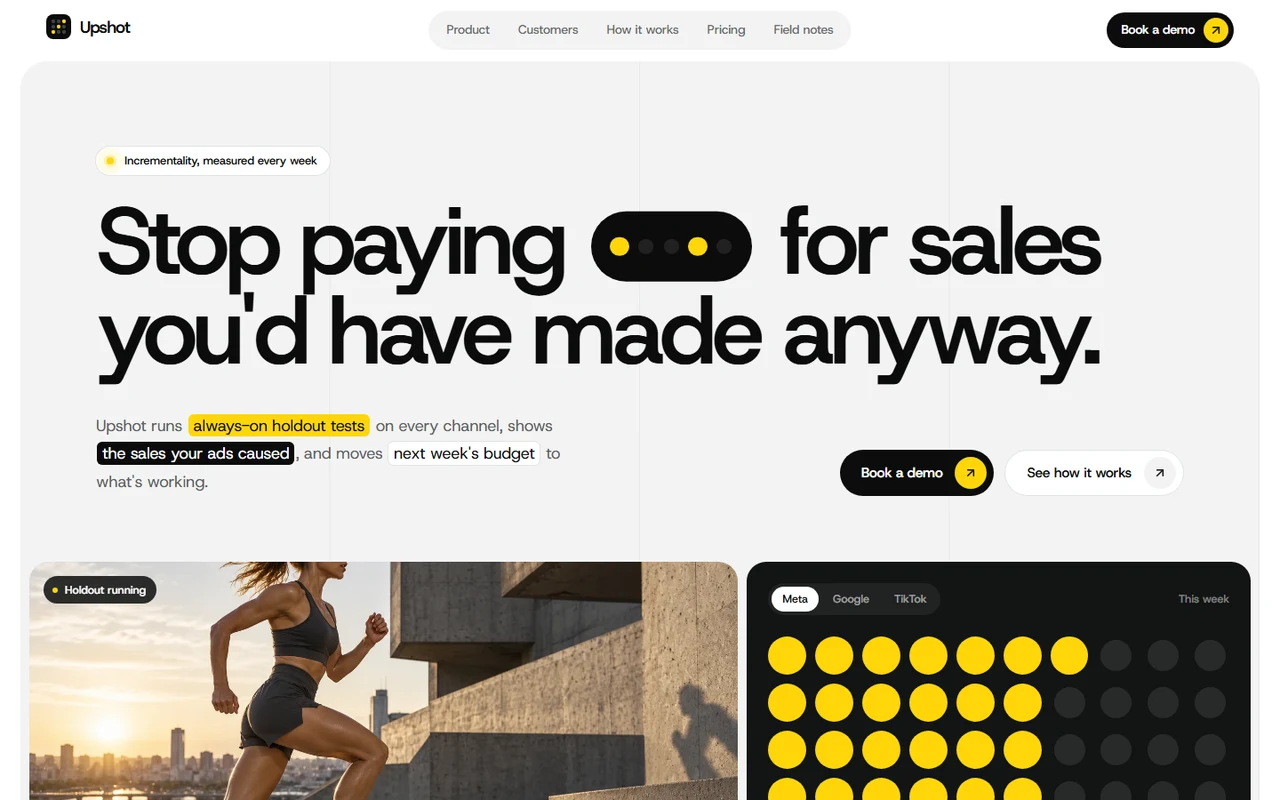
    Pick it if: One idea on every section: dots for claimed sales in white and caused sales in yellow. Twelve sections, customer stories and field notes as real pages, and pricing by ad spend.

    Skip it if: Your pitch is ease of use. This page is built to win an argument.
  2. Cloud cost, FinOps or a product with savings to prove

    Shear$39

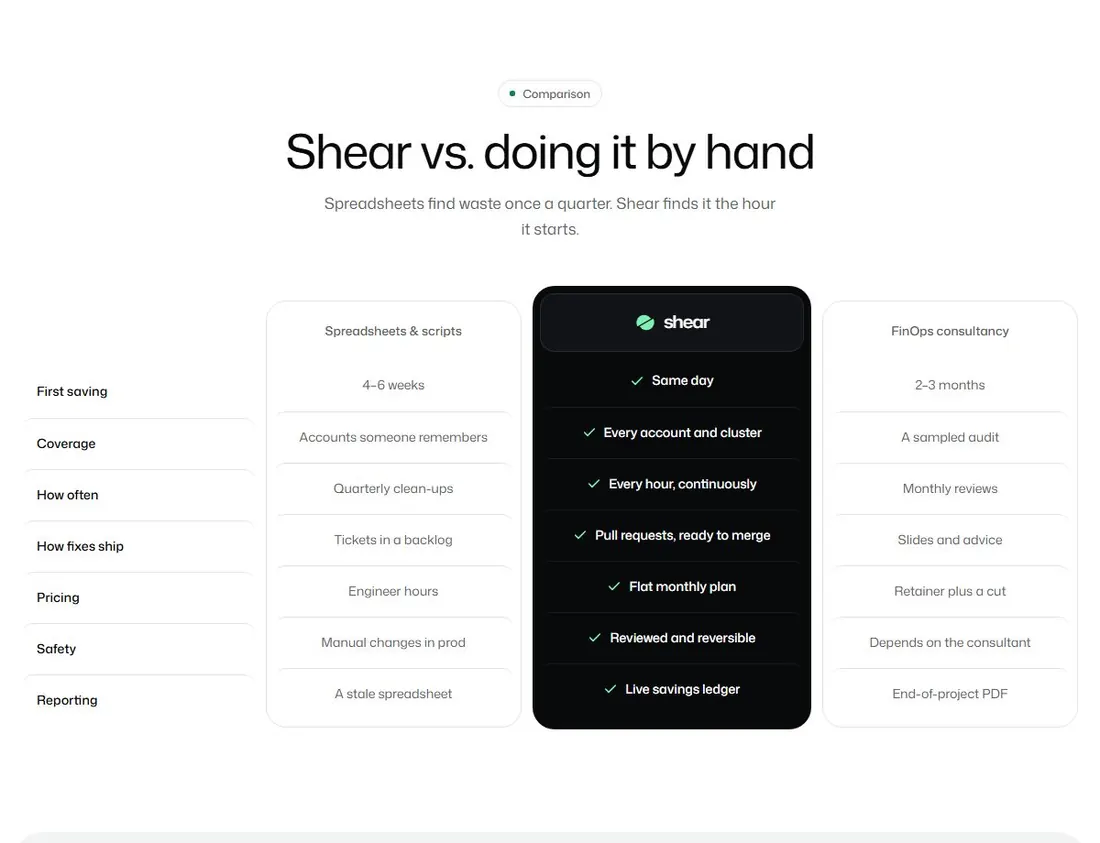
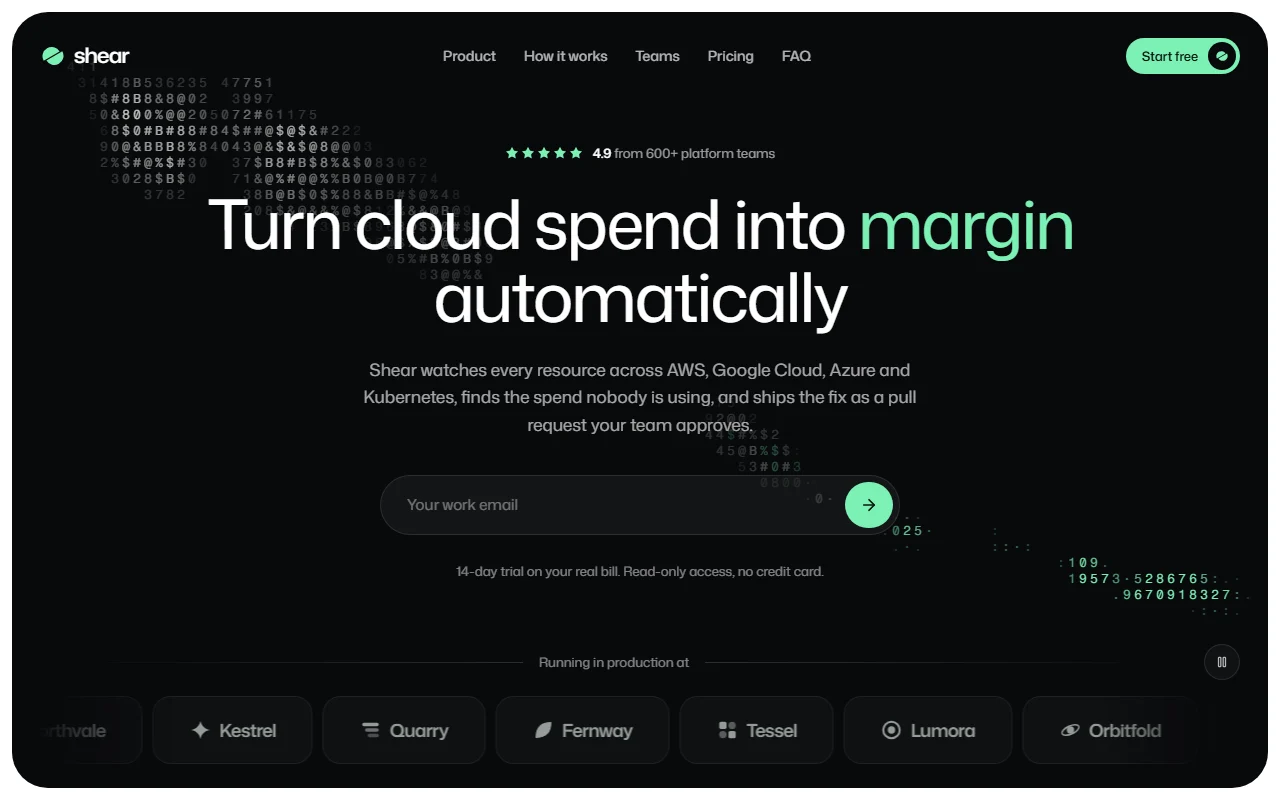
    Pick it if: Near-black frames, mint on every saving and a column comparison against doing it by hand, with figures and panels that morph in place.

    Skip it if: You have no number to lead with. The page needs one.
  3. An indie SaaS with a founder’s voice

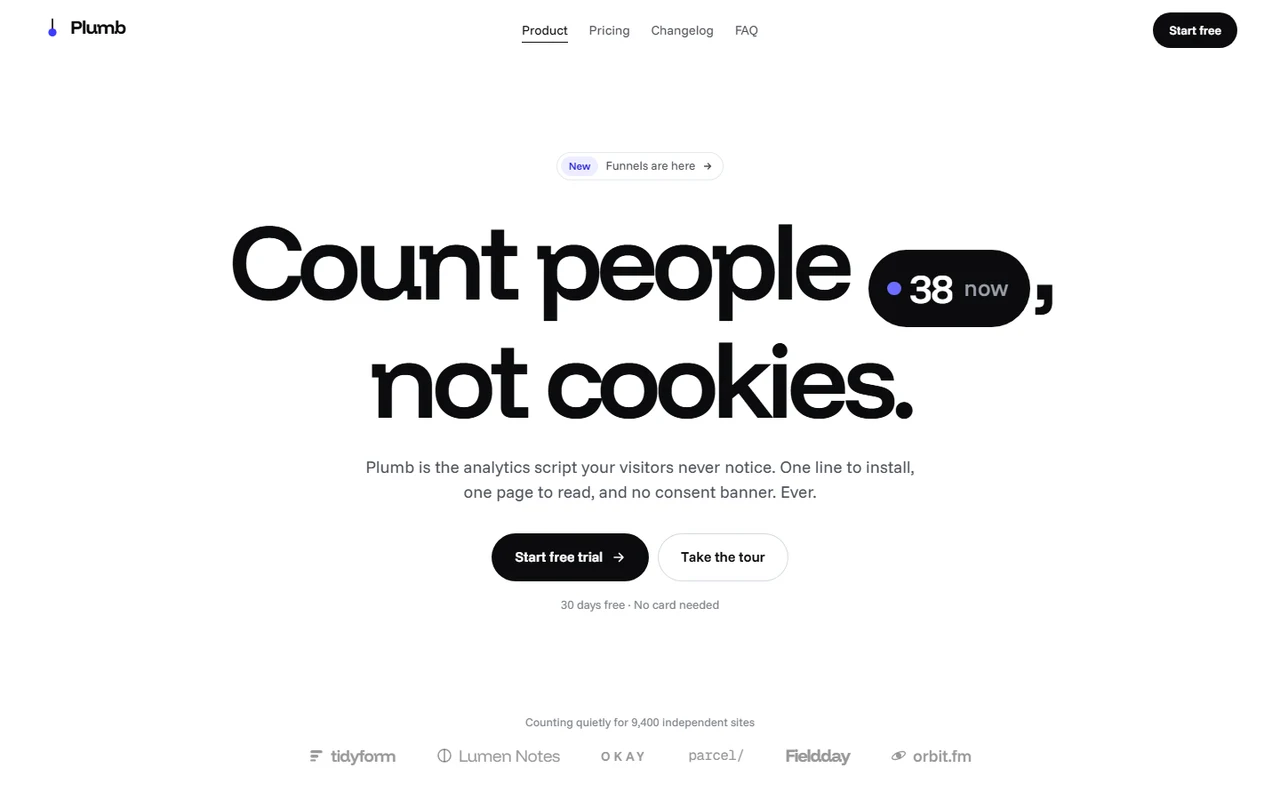
    Plumb$39

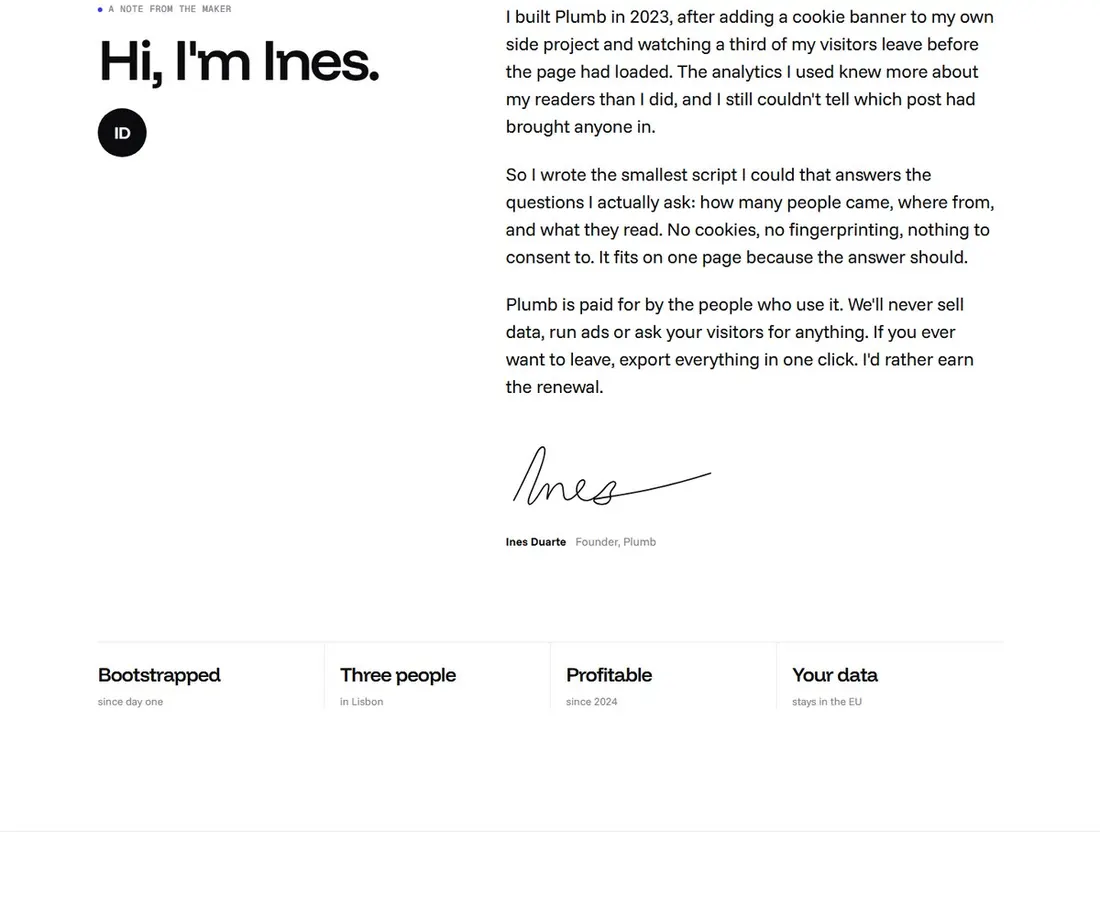
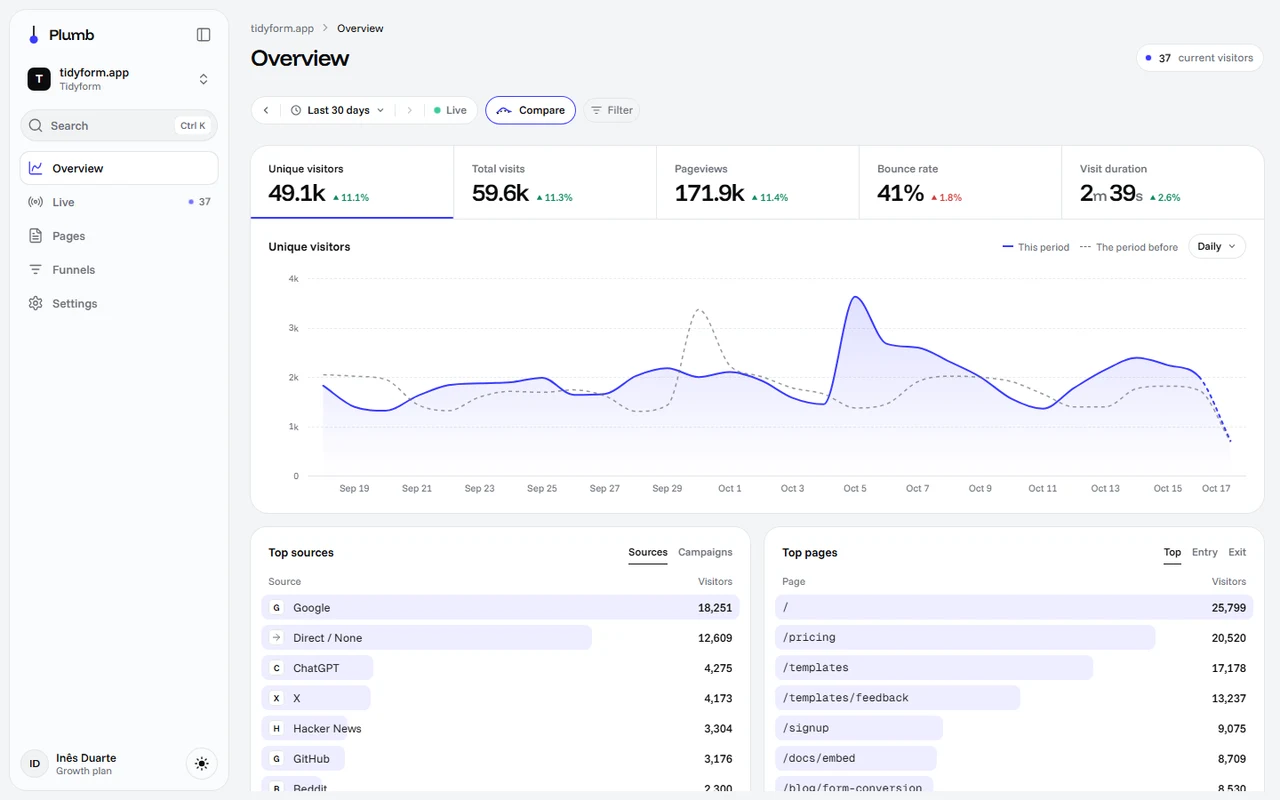
    Pick it if: One ink surface starts as a live visitor counter in the headline and changes shape into each part of the product. It has a usage slider, a changelog and a letter signed by hand.

    Skip it if: You’re selling to enterprise buyers who want logos, not a letter.
  4. A B2B product sold to engineering teams

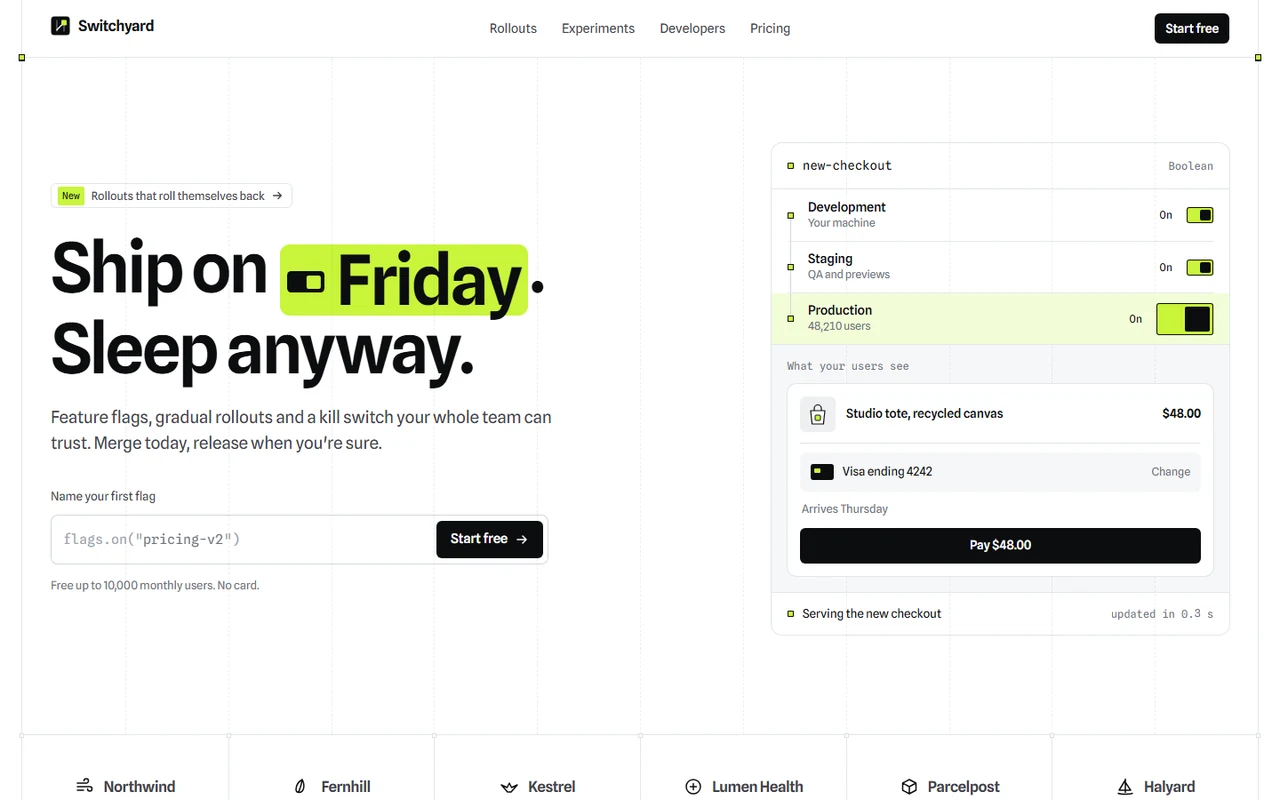
    Switchyard$39

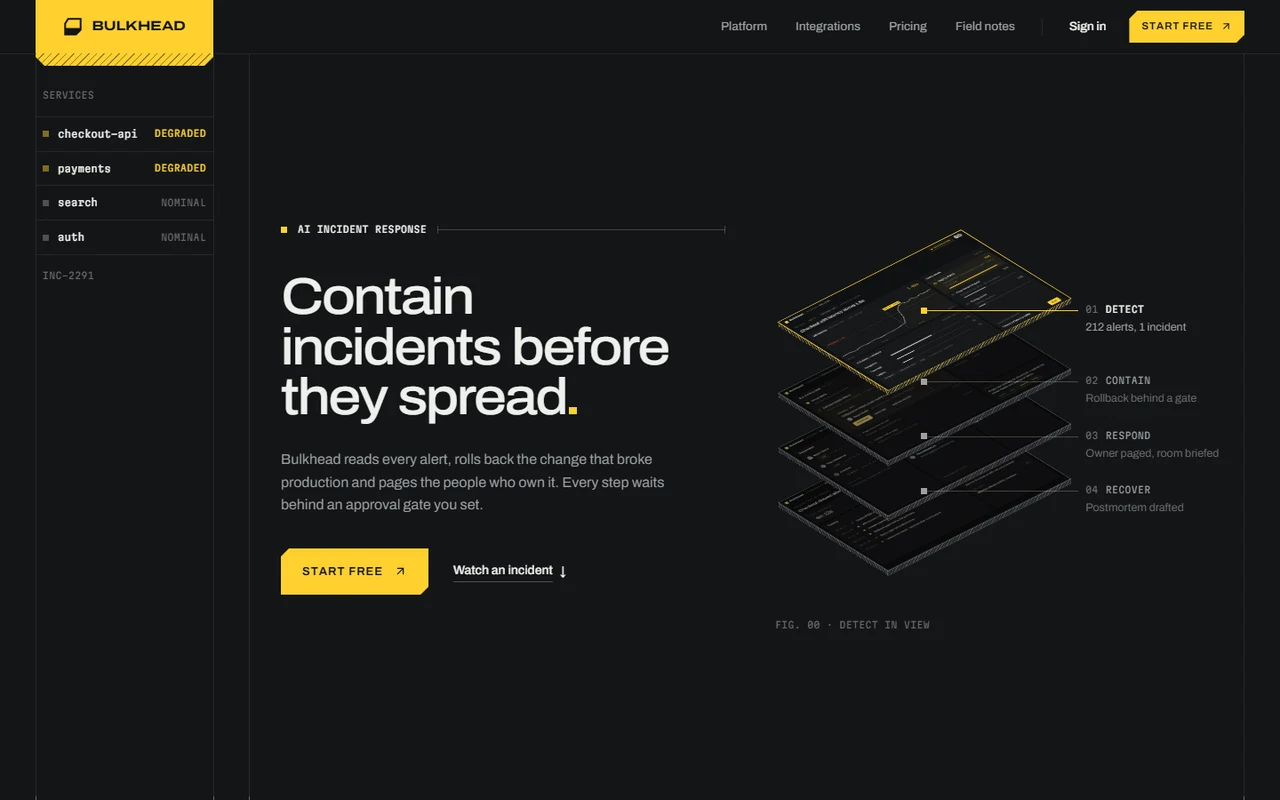
    Pick it if: The page is behind flags: headings flip from old copy to new as you read, and the flag a visitor names in the hero follows them into the code, audit log and footer.

    Skip it if: Your buyers aren’t engineers and the joke would be lost on them.
  5. Automation or any product that does work between other apps

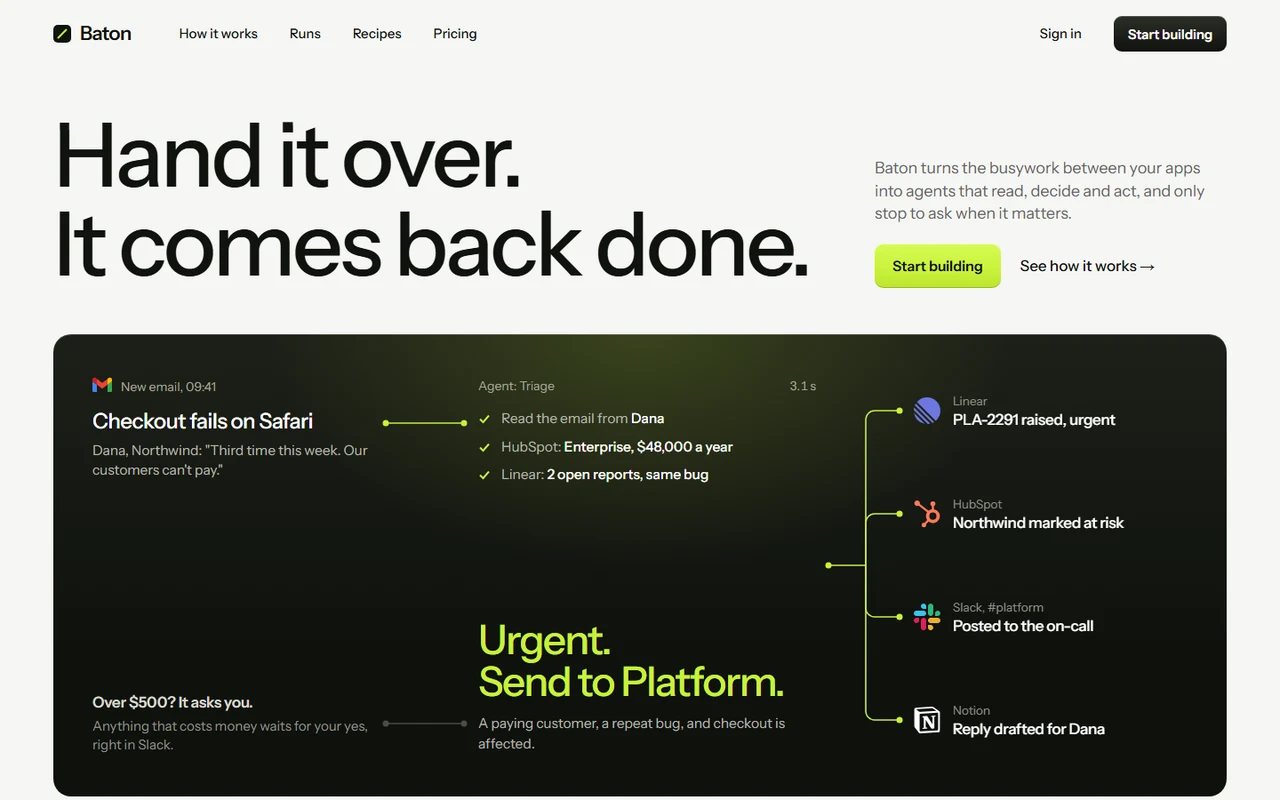
    Baton$39

    Pick it if: A modern light page on one strict grid, with the product running on the first screen. A brief draws its own workflow, every step of a run sits on a clock, and plans are priced per run. No animation library.

    Skip it if: You charge per seat and want to say so, or your product stays inside one app.
  6. Business banking, corporate cards, spend or anything that moves a company’s money

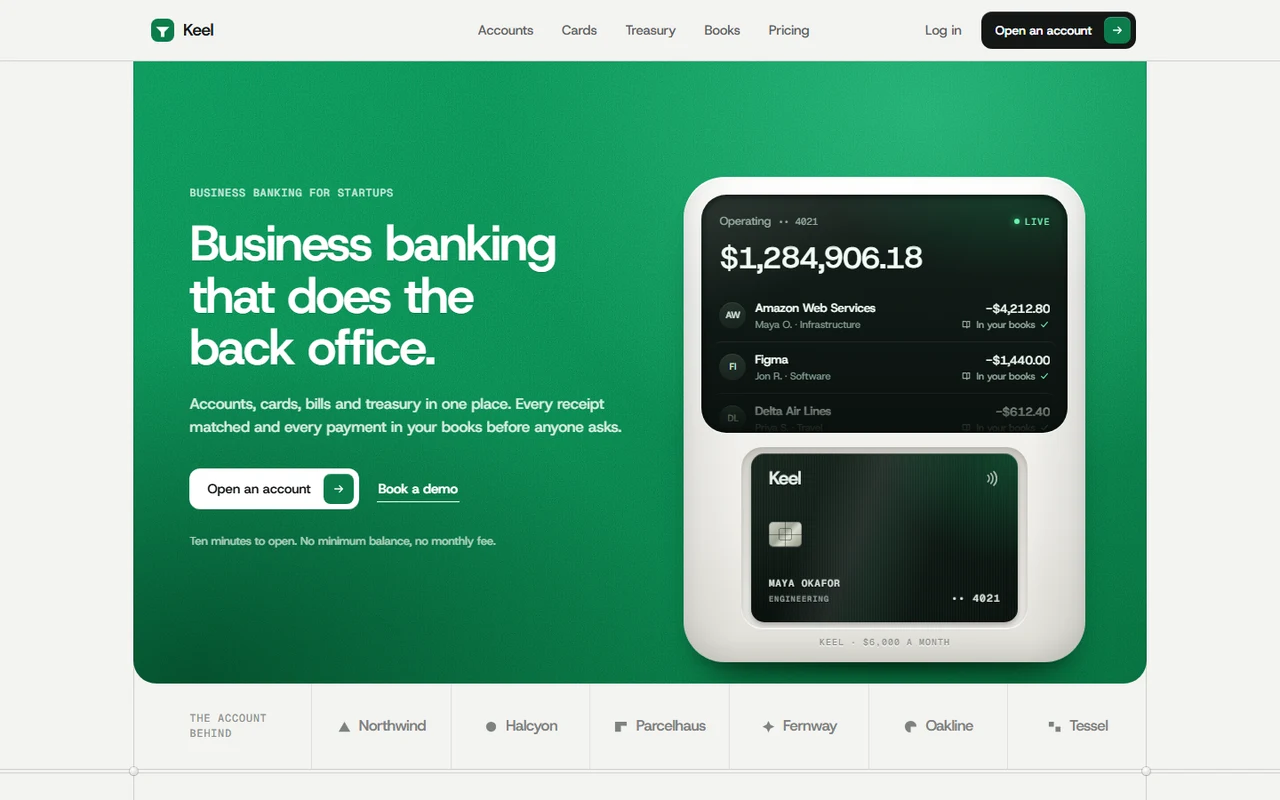
    Keel$39

    Pick it if: A light page on full-height rails whose graphics are machines made of porcelain, metal and paper: a console with the account live on glass and the card lying in a well, a deposit splitting into coin stacks, payout coins flipping green in five currencies and a wire that needs two keys. No images, no animation library.

    Skip it if: Your product never touches money, or you want to lead with a screenshot of your app.
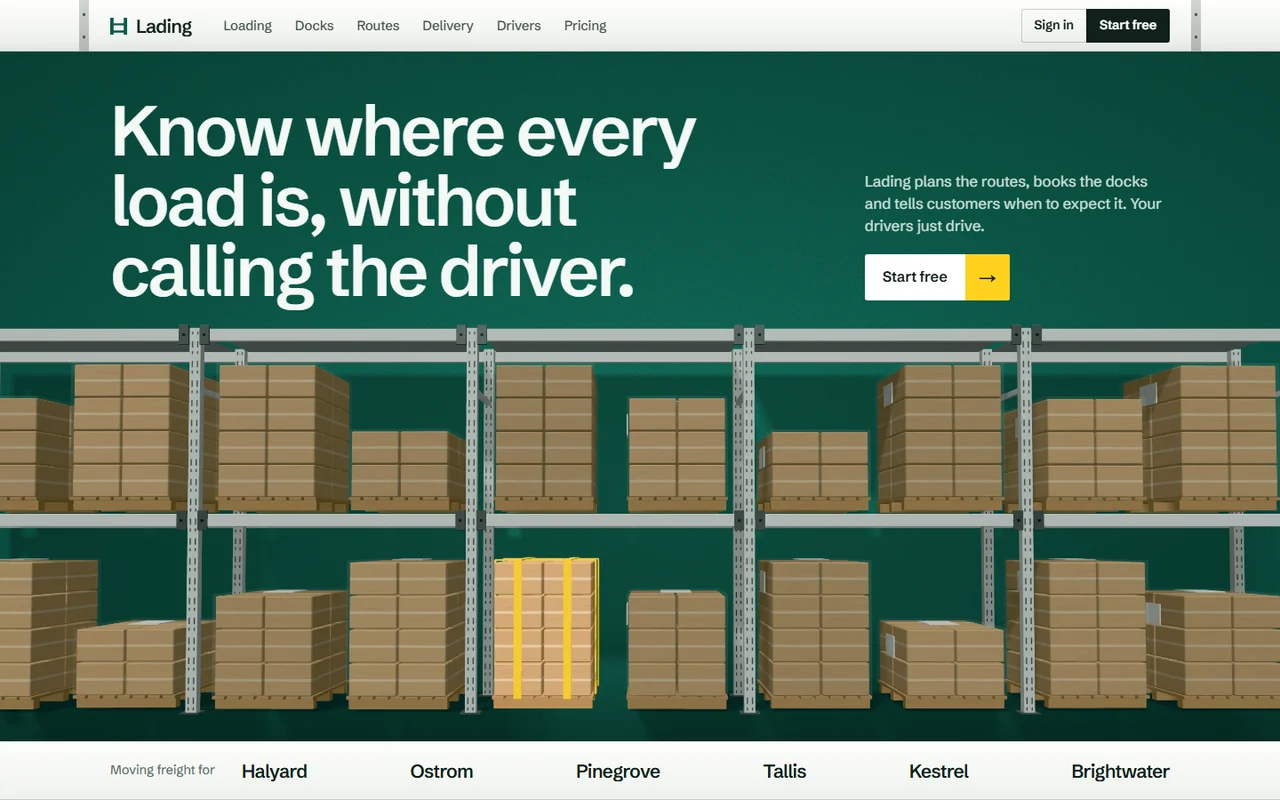
  7. Dispatch, delivery, freight or fleet software

    Lading$39

    Pick it if: Follows one load from the rack to the doorstep in real 3D renders: a truck that loads as you scroll, a yard whose doors stand over their bookings, a model town where a new order lands at noon, a van reaching a door as the customer's texts go out, and a tachograph disc. Plain product words, no app windows and no animation library.

    Skip it if: Your product has nothing to do with moving goods. Every graphic on the page is about freight.
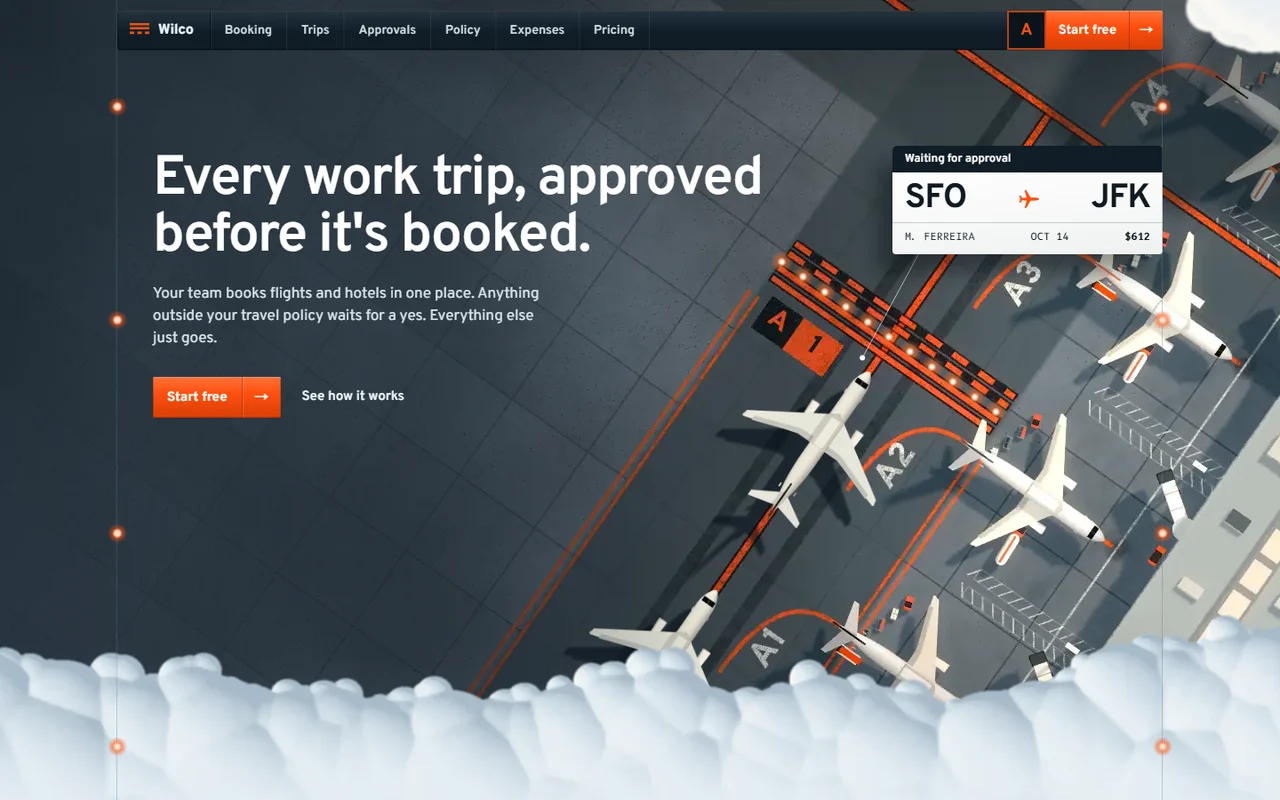
  8. Business travel, expenses or anything that gets people on planes

    Wilco$39

    Pick it if: Real renders from above at low sun: jets queuing until a trip is approved, seats lighting up in a cut-away cabin, a policy on a world chart, and an ending where the page turns into a runway. Plain product words throughout, with no animation library.

    Skip it if: Your product has nothing to do with travel. The aircraft would only confuse people.
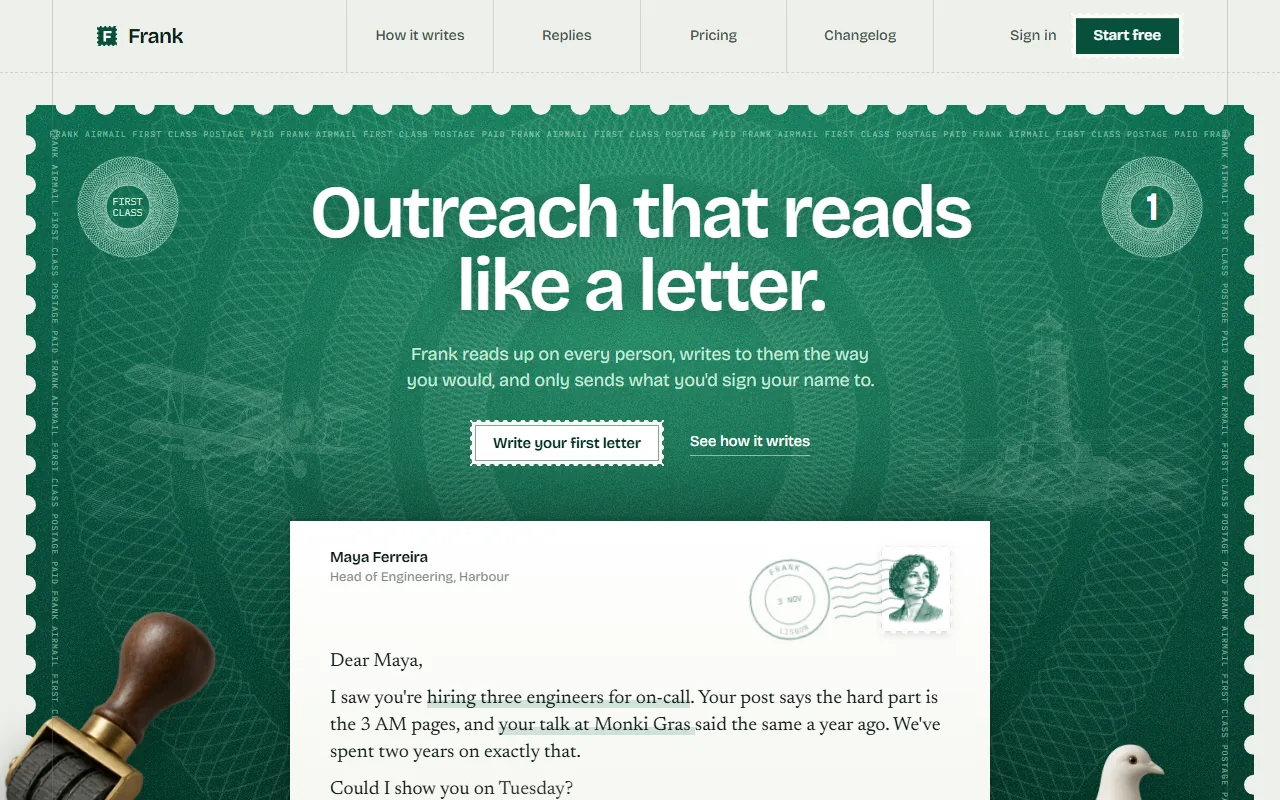
  9. Outreach, sales or any product that sends messages for you

    Frank$39

    Pick it if: Instead of a dashboard, a post office: a letter that writes itself, a wall of pigeonholes sorting the replies, a franking machine counting them, and plans drawn as stamps. Light and engraved, with no animation library.

    Skip it if: Your product does not write to anyone, or you want to lead with a screenshot.
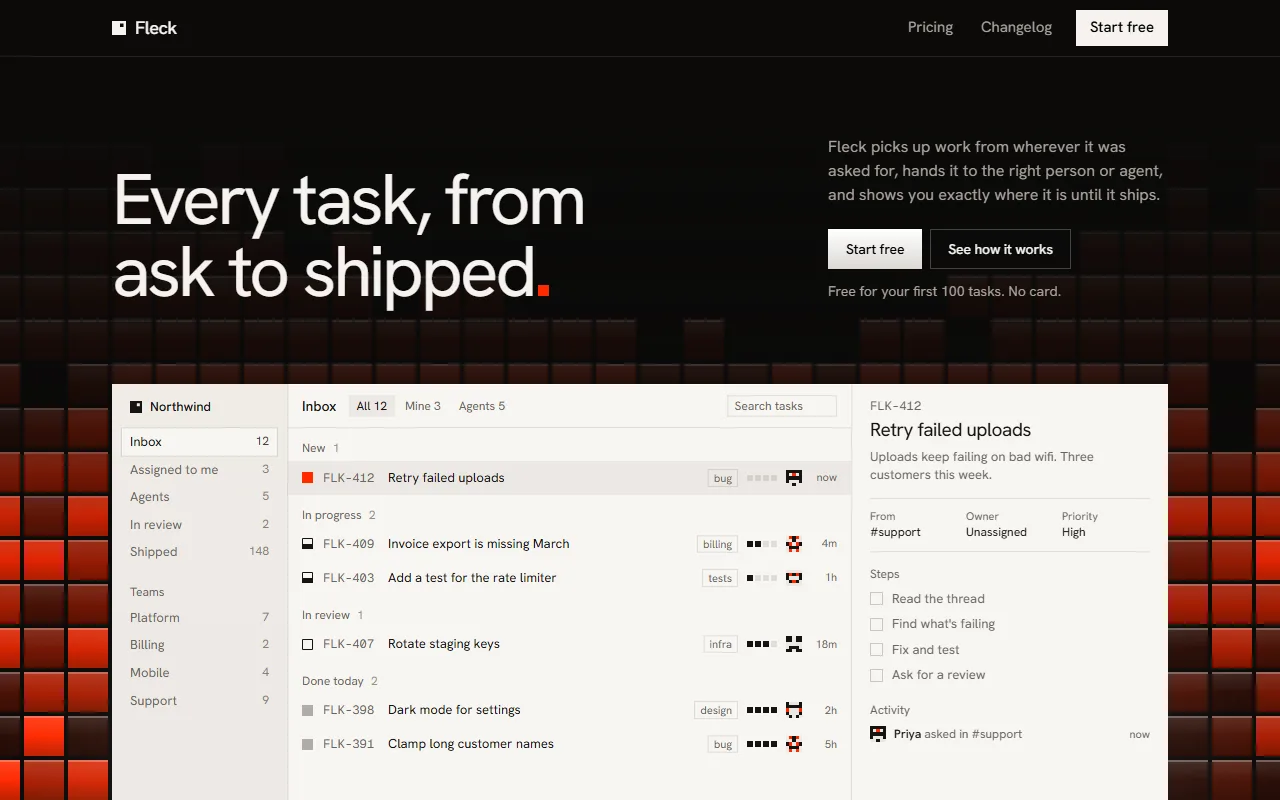
  10. A workflow, ticketing or AI agent product where work moves through stages

    Fleck$39

    Pick it if: The page follows one task from asked to shipped: a wall of lit tiles, a working app window, work riding a rail to whoever has room, a live run and an approval. Every demo plays by itself and reads from one config file, and the plans are drawn to scale.

    Skip it if: Nothing in your product moves through stages, or you want a light page.
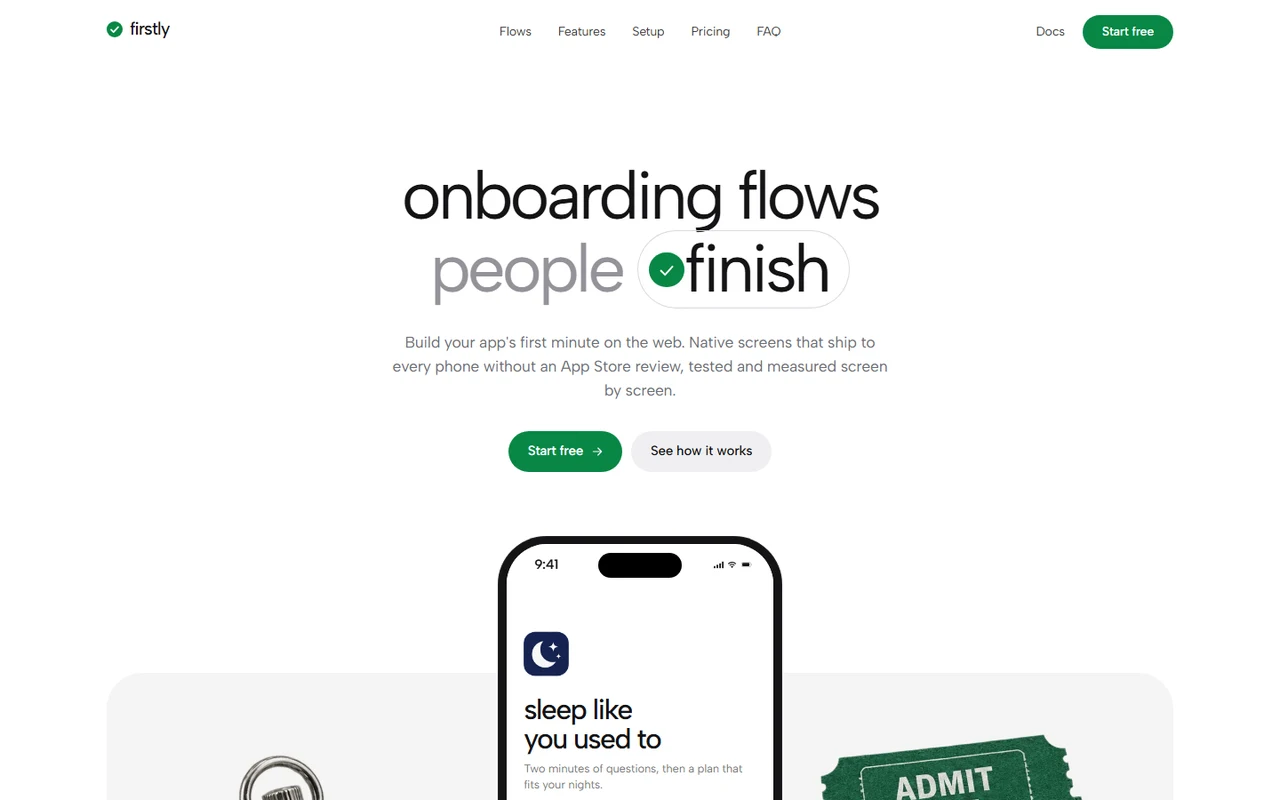
  11. A mobile SaaS, onboarding or paywall tool

    Firstly$39

    Pick it if: The page onboards you one step at a time, and green always means done. Minimal and clear, with an editor section and five features you can rewrite.

    Skip it if: Your product has nothing to do with first-run or mobile.
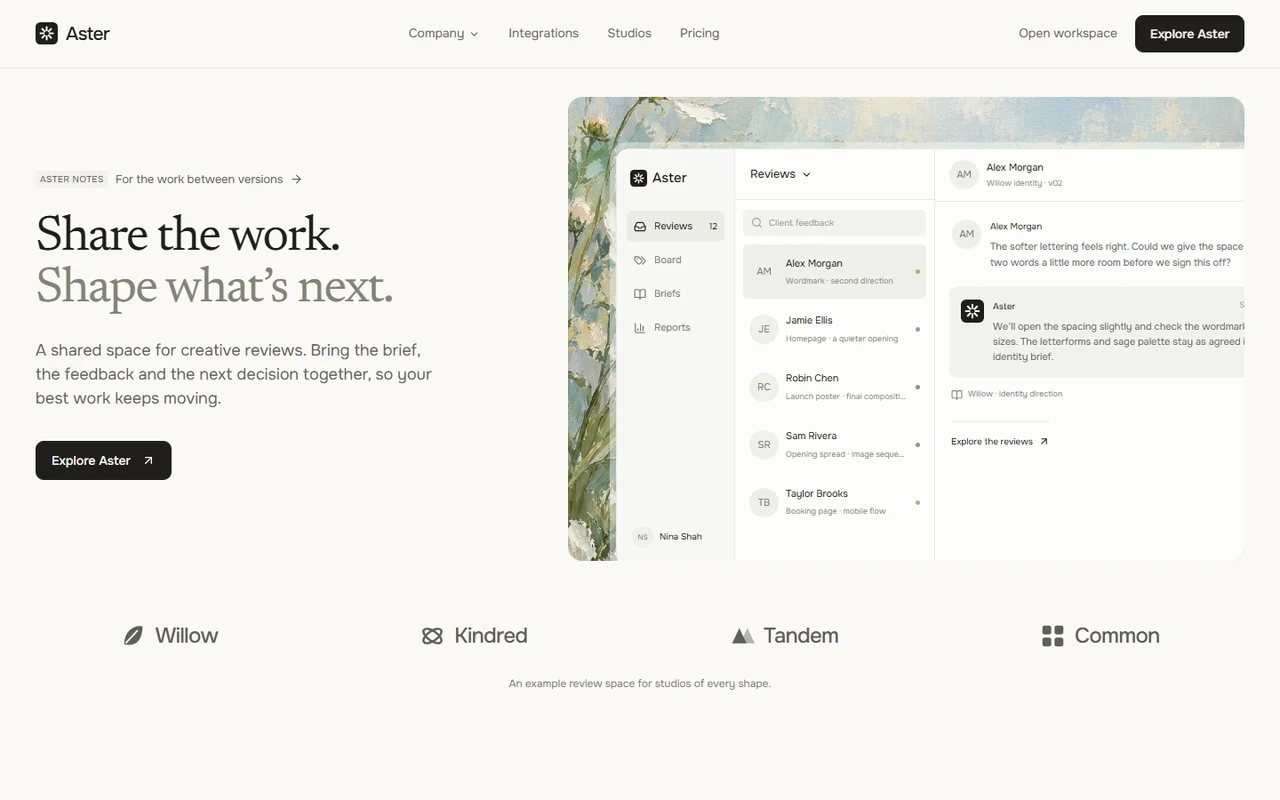
  12. A creative review or client collaboration tool

    Aster$39

    Pick it if: Serif headings, warm ivory and botanical artwork around a working review space. Eight routes, including workspace, studios and integrations pages.

    Skip it if: You want a cool, technical look.
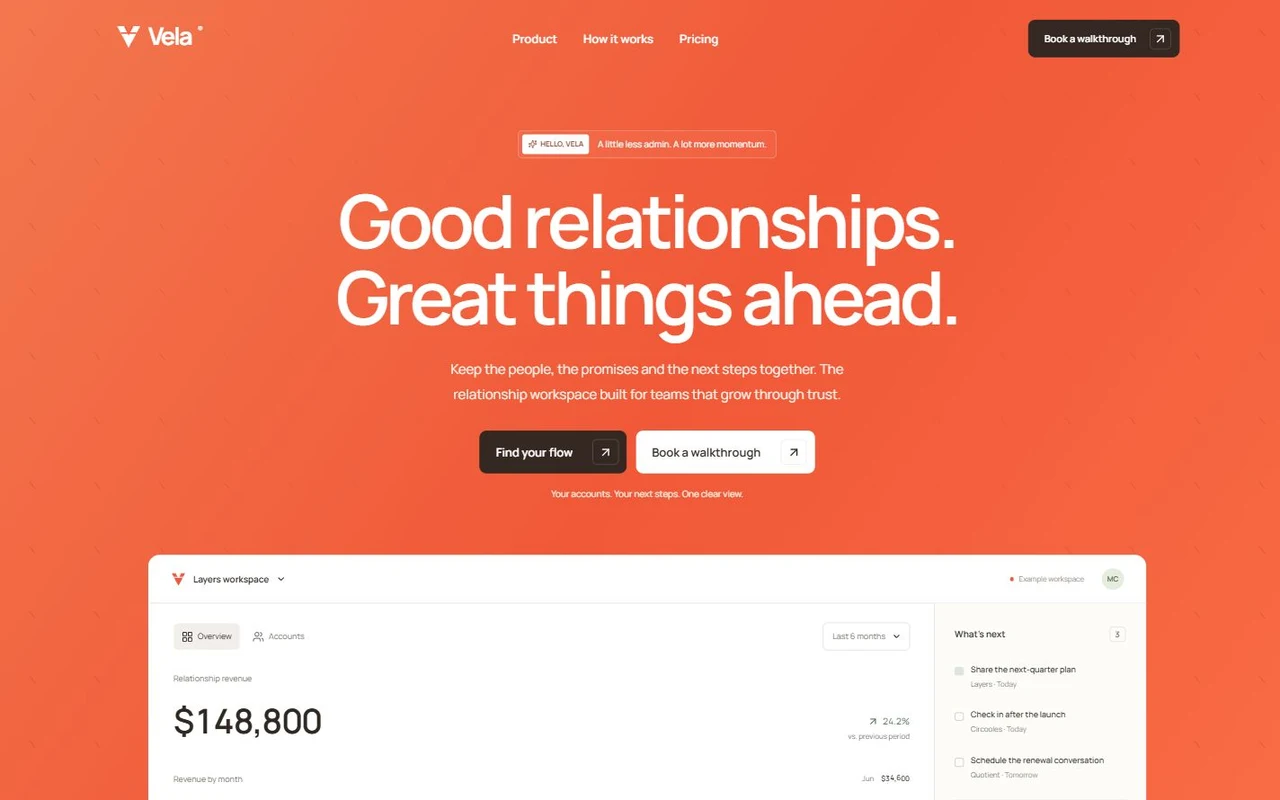
  13. A CRM or customer success product

    Vela$39

    Pick it if: A vivid coral hero with an editable dashboard, then stacking chapters, guided setup and team stories. It has only 2,888 lines, so it is quick to adapt.

    Skip it if: You need several marketing pages: it has a home and a contact page.
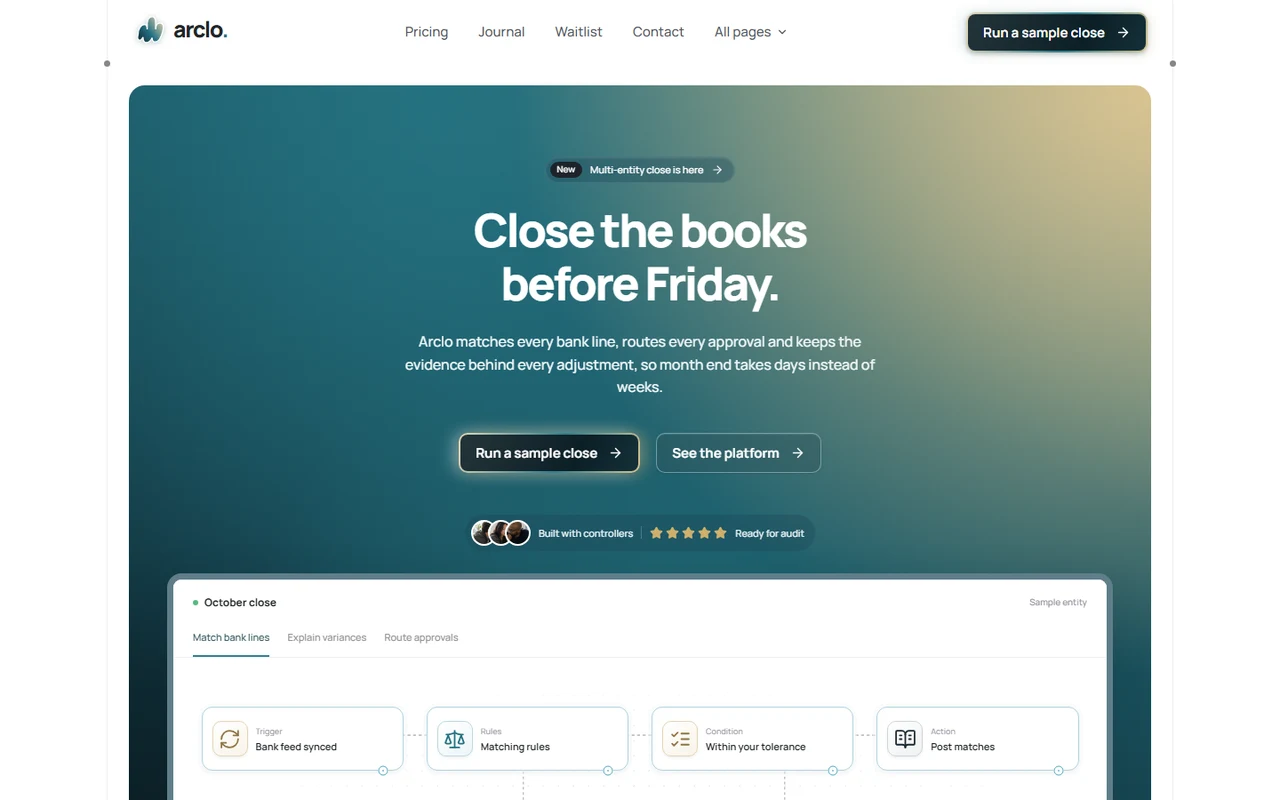
  14. A finance, accounting or spend product

    Arclo$39

    Pick it if: A textured ink-to-petrol hero, quiet white chapters and an interactive close canvas that runs on real sample numbers, with blog, pricing and waitlist pages.

    Skip it if: Your product is playful. This one is built to reassure a CFO.
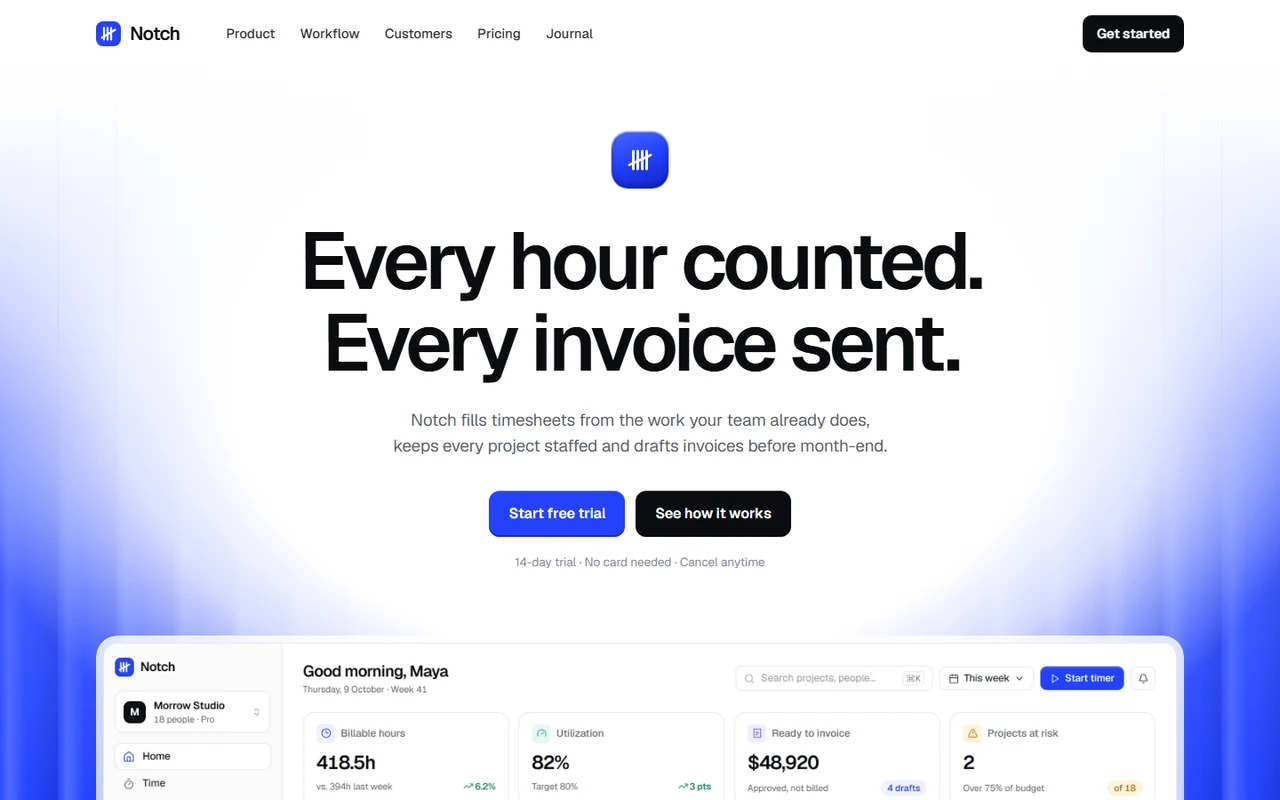
  15. A coordination, release or operations product

    Notch$39

    Pick it if: Cobalt light, Geist type and purpose-built diagrams of a release room. At 2,128 lines it is small enough to read in an evening, with a journal and legal pages.

    Skip it if: You want photography. This one is all diagrams.
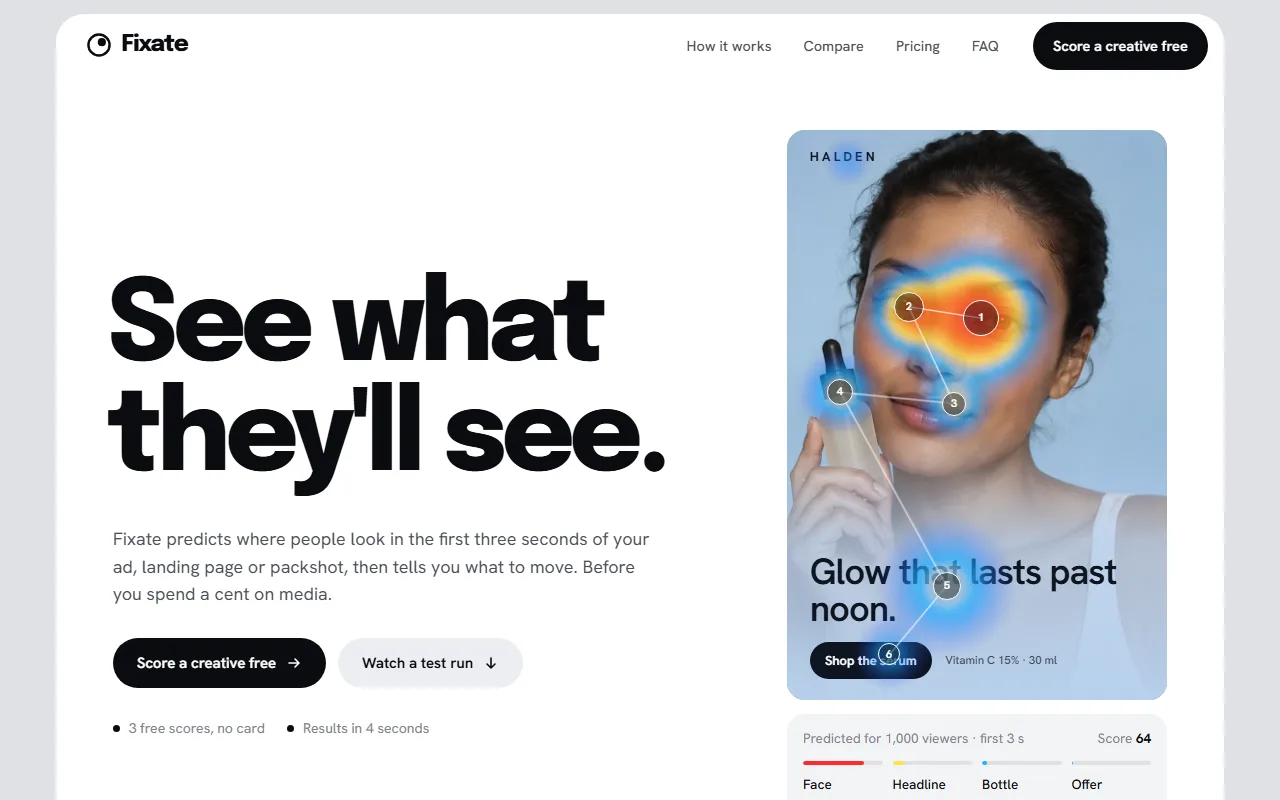
  16. A visual, creative-testing or research product

    Fixate$39

    Pick it if: Heat appears only where attention goes, a gaze path links the sections, and the last section shows visitors where they looked. Thirteen sections.

    Skip it if: You can’t supply strong product imagery to put the heat on.
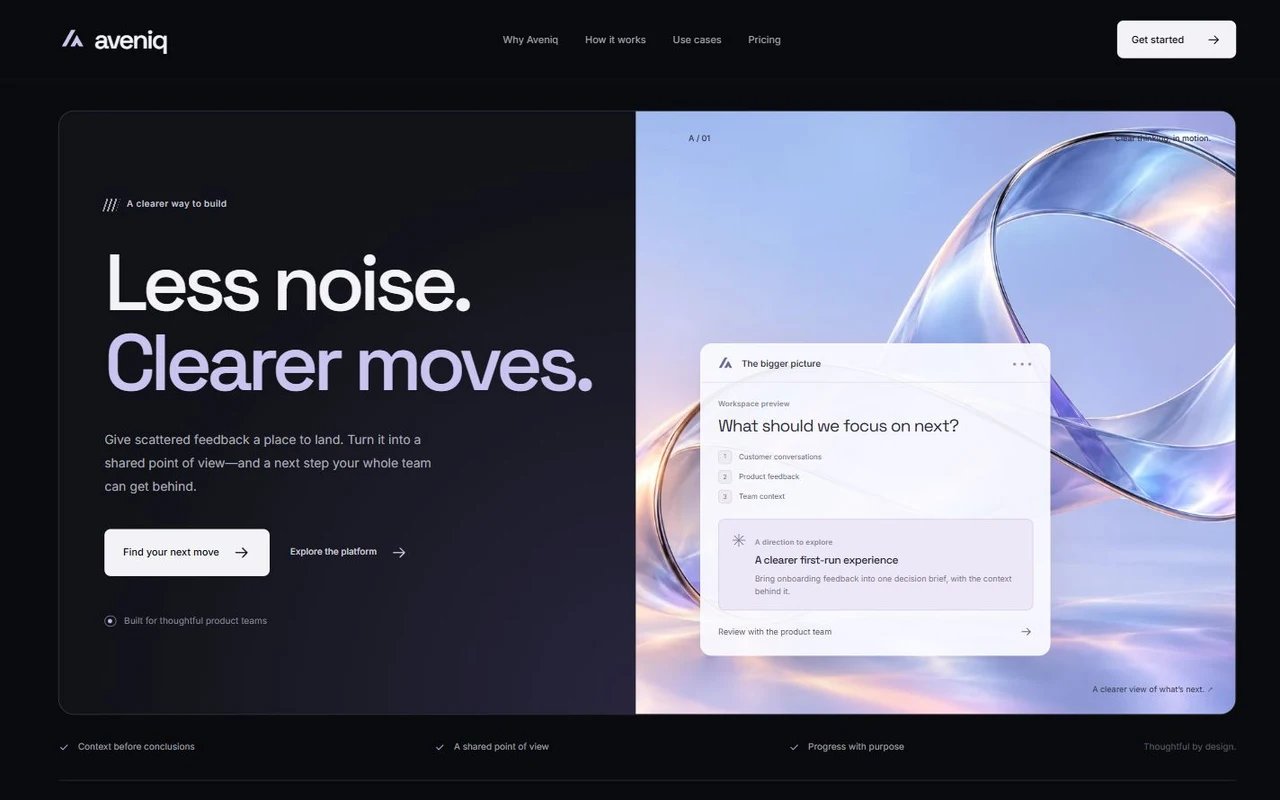
  17. A product workspace on a single page

    Aveniq$39

    Pick it if: Cool iridescent artwork on a dark canvas with controlled scroll storytelling. Seven sections and 33 files, so there is little to get through.

    Skip it if: You need more than one page.
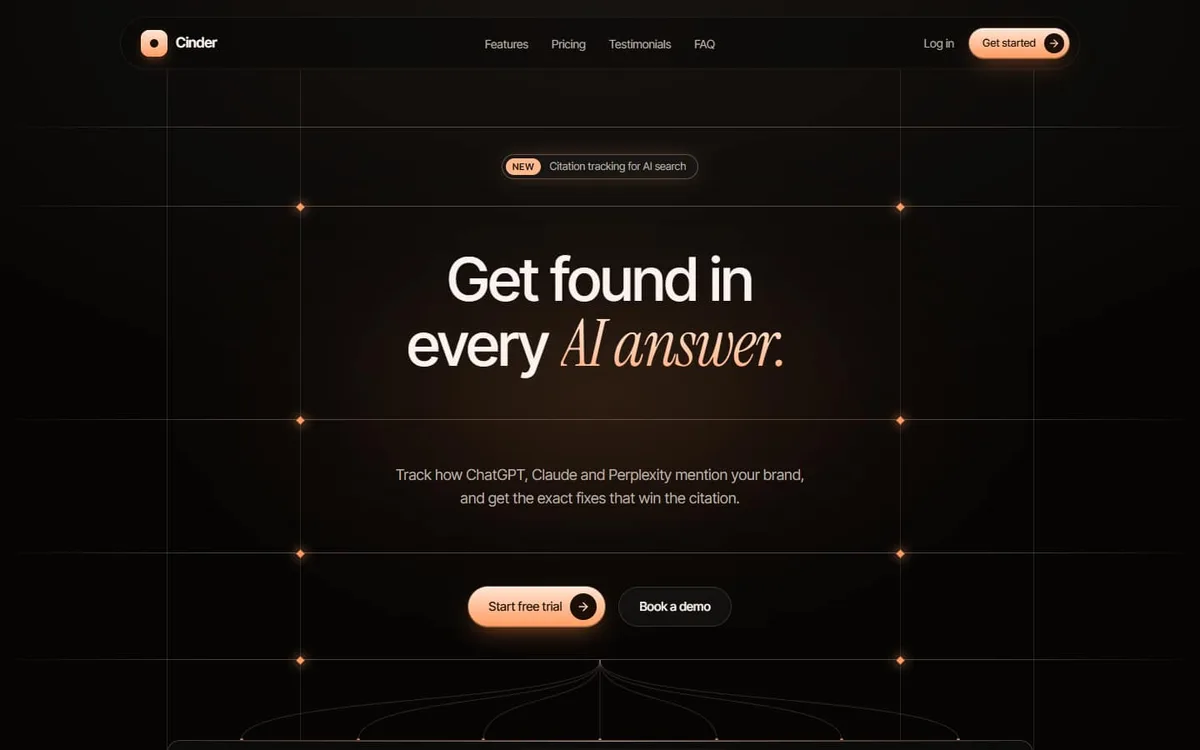
  18. A SaaS that wants the familiar structure, done well

    Emberline$39

    Pick it if: The honest exception on this page. Logo strip, bento features, comparison table, testimonials and a pricing toggle, in a dark grid-framed layout with energy lines running through the hero.

    Skip it if: You came here to avoid familiar structure. Pick anything else above.
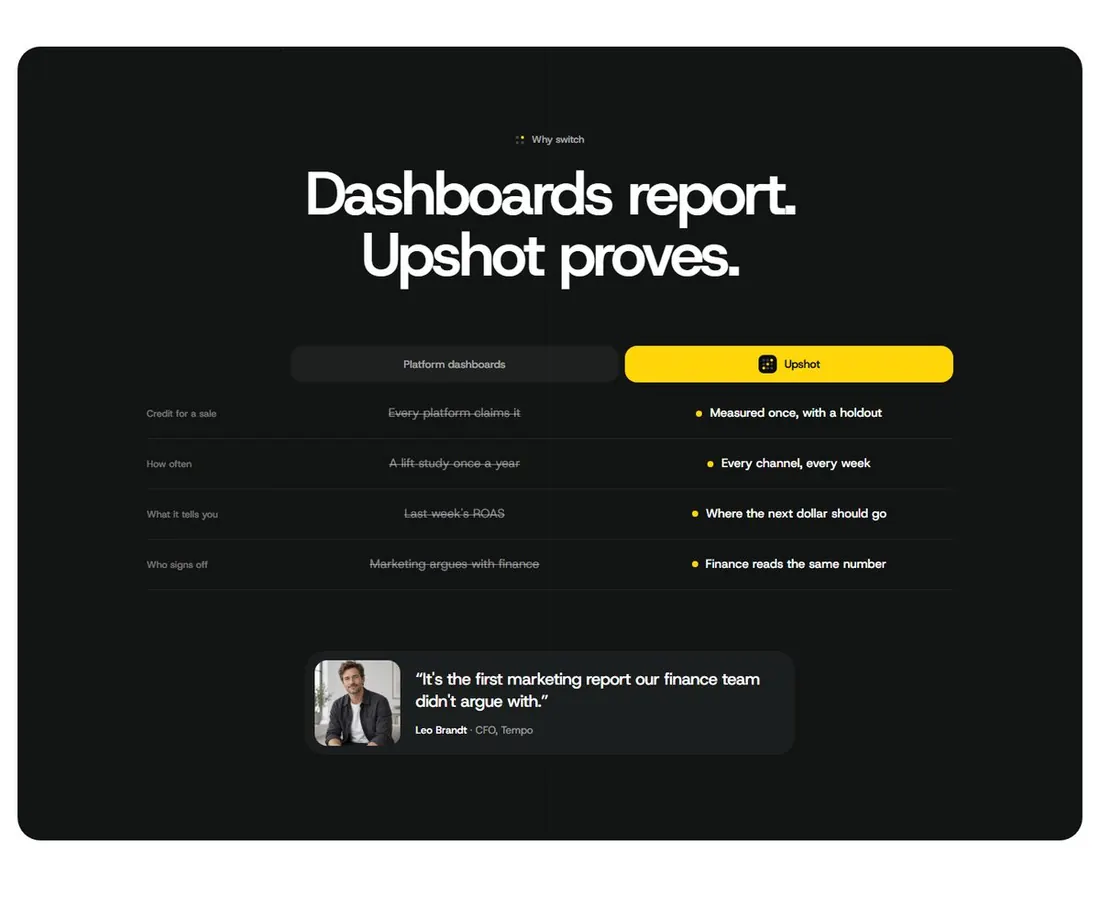
What stops a SaaS page looking generic.

Upshot template: a dark section titled Dashboards report. Upshot proves, with a yellow switch comparing platform dashboards to Upshot.

Have an enemy. Generic pages have features.

A generic page lists what the product does. A specific one says what is wrong with the way things are done now. Upshot’s position is that ad platforms take credit for sales they didn’t cause, and every section of the page returns to it.

You can test your own page in a minute: if a competitor could paste their logo on it and change nothing, it hasn’t said anything yet.

See Upshot

Plumb template: a founder’s letter beginning Hi, I’m Ines, with a handwritten signature and facts about the company below it.

Sound like someone. A person made this.

Small teams hold one advantage over large ones, which is that a person can sign the page. Plumb ends with a letter from the founder, a hand signature and four plain facts about the company, right next to a changelog that shows the team is still shipping.

None of that needs a designer. It takes an honest paragraph, and it is hard for a bigger competitor to imitate.

See Plumb

Shear template: a comparison titled Shear vs. doing it by hand, with columns for spreadsheets, Shear and a FinOps consultancy.

Compare yourself to the real alternative. It’s rarely a rival.

Most people deciding on your product aren’t comparing it with a competitor. They are comparing it with doing nothing, or with a spreadsheet. Shear’s table sets the product against scripts and a consultancy, on the things a buyer actually weighs: time to first saving, coverage and how a fix ships.

That is a more persuasive table than a row of green ticks, and it costs you nothing to tell the truth in it.

See Shear

All 18, side by side.

Hover a card to scroll the whole page, or compare them in the table.

SaaS landing pages templates compared by audience, theme, styling, routes, sections, mobile Lighthouse score and price
TemplateBuilt forThemeStylingRoutesSectionsMobileLCPPrice
UpshotAnalytics, attribution and marketing measurement productsLightTailwind v4712923.2 s$39
ShearDeveloper tools, infrastructure and FinOps productsDarkTailwind v4112883.3 s$39
PlumbIndie and small-team SaaS: analytics, forms, scheduling, newsletters, developer and AI toolsLightTailwind v4411903.5 s$39
SwitchyardFeature flag, experimentation and release toolsLightPlain CSS311913.4 s$39
BatonAI agent builders and workflow automation toolsLightPlain CSS491001.4 s$39
KeelBusiness banking and neobanks for startupsLightPlain CSS410943.0 s$39
LadingDispatch, route planning and fleet tracking productsLightPlain CSS411913.3 s$39
WilcoCorporate travel and travel management productsLightPlain CSS411883.8 s$39
FrankAI outreach, sales development and email productsLightPlain CSS411864.1 s$39
FleckDeveloper tools, AI agent products and workflow softwareDarkPlain CSS49981.9 s$39
FirstlyOnboarding, paywall and in-app messaging tools for app makersLightPlain CSS39883.7 s$39
AsterCreative review and approval productsLightPlain CSS812972.4 s$39
VelaCRM and account management productsLightPlain CSS27952.6 s$39
ArcloFinance close, reconciliation and accounting productsLightPlain CSS78903.5 s$39
NotchRelease and launch coordination softwareLightPlain CSS591001.6 s$39
FixateAttention prediction, eye-tracking and creative-testing productsLightPlain CSS413992.0 s$39
AveniqAI and decision-support product launchesDarkPlain CSS17991.8 s$39
EmberlineAI productsDarkTailwind v4110903.1 s$39

How the speed was measured

We served each demo’s static export from a local server that compresses text like a real host, and loaded it in headless Chromium with Lighthouse’s default mobile profile: an emulated mid-range phone on simulated slow 4G with a 4x CPU slowdown. Each figure is the median of three to five runs, last taken November 15, 2026. 6 of 18 reached a Largest Contentful Paint of 2.5 seconds or less, which Lighthouse rates good.

What that doesn’t tell you

These are lab numbers from our machine, not what your visitors will see. Your host, your images and any scripts you add will change them, and real Core Web Vitals only come from real traffic. Scores for the same page moved by up to 10 points between runs, so a gap of a few points means nothing.

Buying guide

How to choose a SaaS template

What “generic” means in practice

It is not about colour. A SaaS page reads as generic when its parts could belong to anything: a centred headline, three feature cards, a logo strip, “trusted by teams everywhere”. Those parts aren’t wrong, but nothing on the page is about your product, so nobody remembers it.

The templates here each hold one idea from a product, and a template’s idea has to survive your edits. So pick the one whose idea you could honestly claim, not the one that looks best in a demo. If nothing fits, Emberline and Notch are the safest structures to fill in.

Match the pricing to how you charge

The pricing section is the part you are least likely to want to rebuild, so check it first. Upshot prices by ad spend, Plumb has a pageview slider, Switchyard prices by the people you serve, Fixate charges for scores, Fleck charges for tasks, and Shear prices on what you manage. If you charge per seat, you will change the wording and the logic, and that is a job for a developer rather than a copy edit.

Check what you need beyond the home page

A landing page is often all you need at launch, but look at the route counts in the table. Aster, Upshot and Arclo come with supporting pages such as pricing, customers, a blog or a waitlist, while Shear, Aveniq and Emberline are one page. Add the rest of your site yourself, or choose a template that already has it.

What a template won’t do

These are marketing sites. There is no authentication, billing or database inside them, and the demos run on sample data. For the app behind the page, Plumb App and Tender are dashboard templates in the same library, and the free components at /ui cover many of the in-app pieces. If you want everything wired together on day one, you are looking for a SaaS boilerplate instead, and you should buy one.

One config file. That’s most of the job.

From Plumb’s site.config.ts. Every SaaS template here keeps its words, plans and destinations in a file like this.

site.config.ts
export const site = {  brand: {    name: "Plumb",    legal: "Plumb Analytics, Lda.",    city: "Lisbon",  },  meta: {    title: "Plumb · Analytics that count people, not cookies",    description: "Privacy-first web analytics for independent products. One line to install, one page to read and no consent banner.",  },  links: {    /** Your sign-up page. Every "Start free" button goes here (with ?email= from the forms). Empty: the pricing section. */    signup: "",    login: "",    /** Sales or support address for custom plans and questions. */    email: "hello@plumb.so",    /** A status page; the footer shows it with a green dot when set. */    status: "",  },  // …the tour, plans, letter, changelog and questions follow in the same file.};
  • The project. A complete Next.js app with its components, styles and optimised images. Run npm install and npm run dev.
  • A README. How to run, edit and deploy it, and where each colour, font and section lives.
  • ASSETS.md. Where each image and font comes from, so you know what you’re using.
  • A license. Your products and any number of client projects, with no seat counts. Read it.
  • Before you go live. Replace the made-up brand, customers and quotes, and connect your own sign-up, billing and product. Interactive parts run on sample data.

Pay once. Keep it forever.

Every demo is free to explore, 6 templates are free to download, and every purchase includes a commercial license.

Single template

One complete project

$39one-time

Pick any template in the catalog.

  • Complete Next.js template, ready to run
  • Every word, link and price in one config file
  • Complete setup and customisation guide
  • Commercial license for unlimited projects
  • Free updates to this template

All-access

Best value

$159one-time

$2,145 if you bought every template on its own

  • All 61 templates, instantly
  • Every new template, free
  • Unlimited projects and clients
  • Updates to every template
  • Pay once. No subscription.
  • Full refund before download

61 templates today$2.61 each

9 more and it’s $169. Buy today and every one after is yours at $159.

Get All-Access

Done for you

Rather not do it yourself? I’ll redesign your page.

Send your copy and screenshots of your app. I start from the closest template and design your page around your product, in 5 days.

  • A first screen designed around your product
  • Your copy, screens, colours and fonts
  • Next.js code, one round of changes

$499one-time, 2 a week

See the redesign

Drag the line: Fennel is a made-up product, rebuilt from the Frank template.

Fennel as a typical AI-built page
Fennel redesigned, starting from the Frank template

Before you choose, the usual questions.

Are these SaaS boilerplates?

No. They are landing pages and marketing sites, so they don’t include authentication, billing or a database. Connect your own sign-up and billing, or pair a template with a boilerplate. If you are looking for a working SaaS backend, this isn’t it.

Why not use a free SaaS template?

If your budget is zero, do. shadcn/ui blocks and several open-source starters are good, and a plain page you ship beats a beautiful one you don’t. What you pay for here is a finished concept with motion, drawn product visuals and written copy, so you are editing a page rather than designing one.

Will a template stay distinctive if other people buy it?

The layout and motion will be shared with other buyers, as with any template. It stops being recognisable when your product, your words and your screenshots go in. Changing the colours and fonts in one stylesheet takes it further, and the README says where they live.

Can I change the product idea on the page?

Yes, since you own a full copy of the code, though it is the biggest change you can make. Copy and links are text edits in site.config.ts; a visual built around a specific idea, such as Upshot’s dots, needs a developer or a coding agent to redraw.

Which one is the fastest to launch?

Pick by size if you are in a hurry. Emberline has the fewest files and lines in this group, with Notch close behind on lines and Aveniq on files. All of them run with npm install and npm run dev, and the table on this page has the counts.

Do I get updates?

Yes. A single template includes free updates to that template, and All-Access includes updates to every template and every new one we release, for one payment.

Not quite what you’re after? Keep looking.

Your next landing page, already finished.

Pick a template tonight, make it yours in one file, and ship it by the weekend.