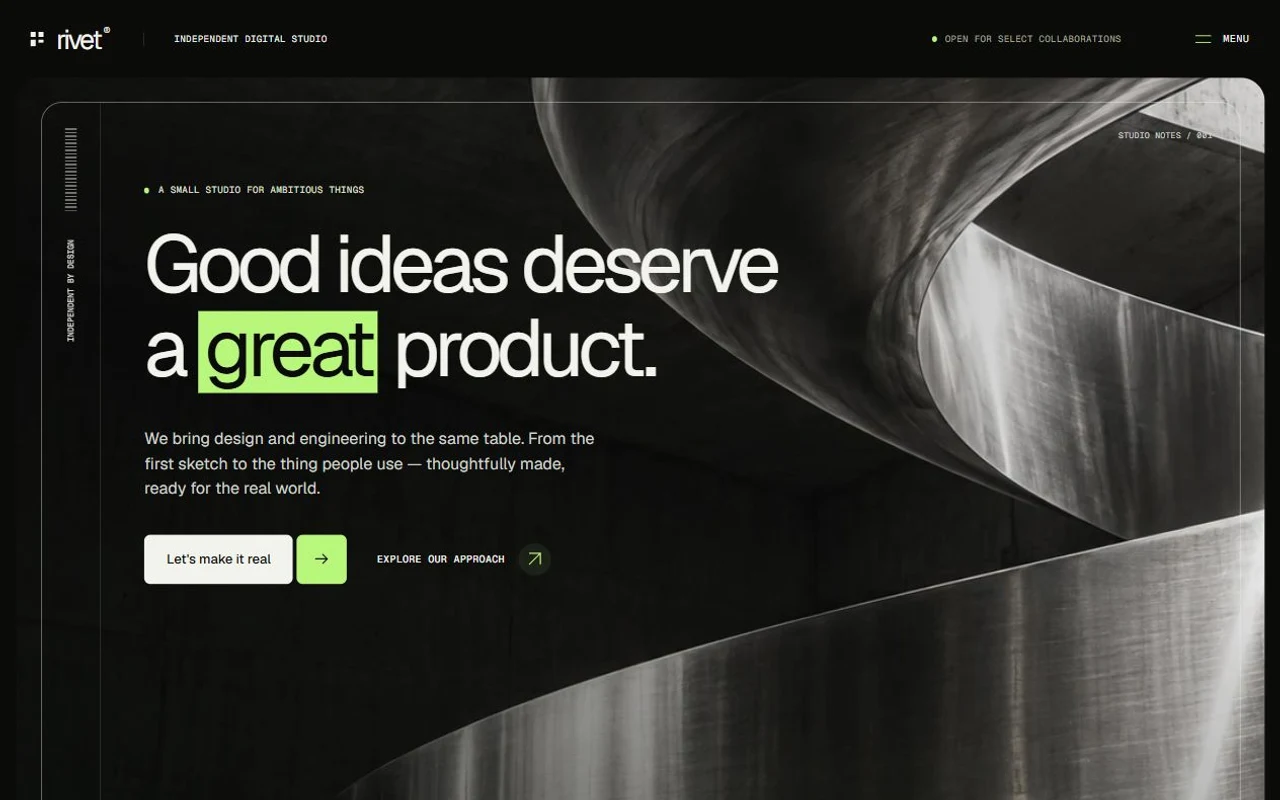
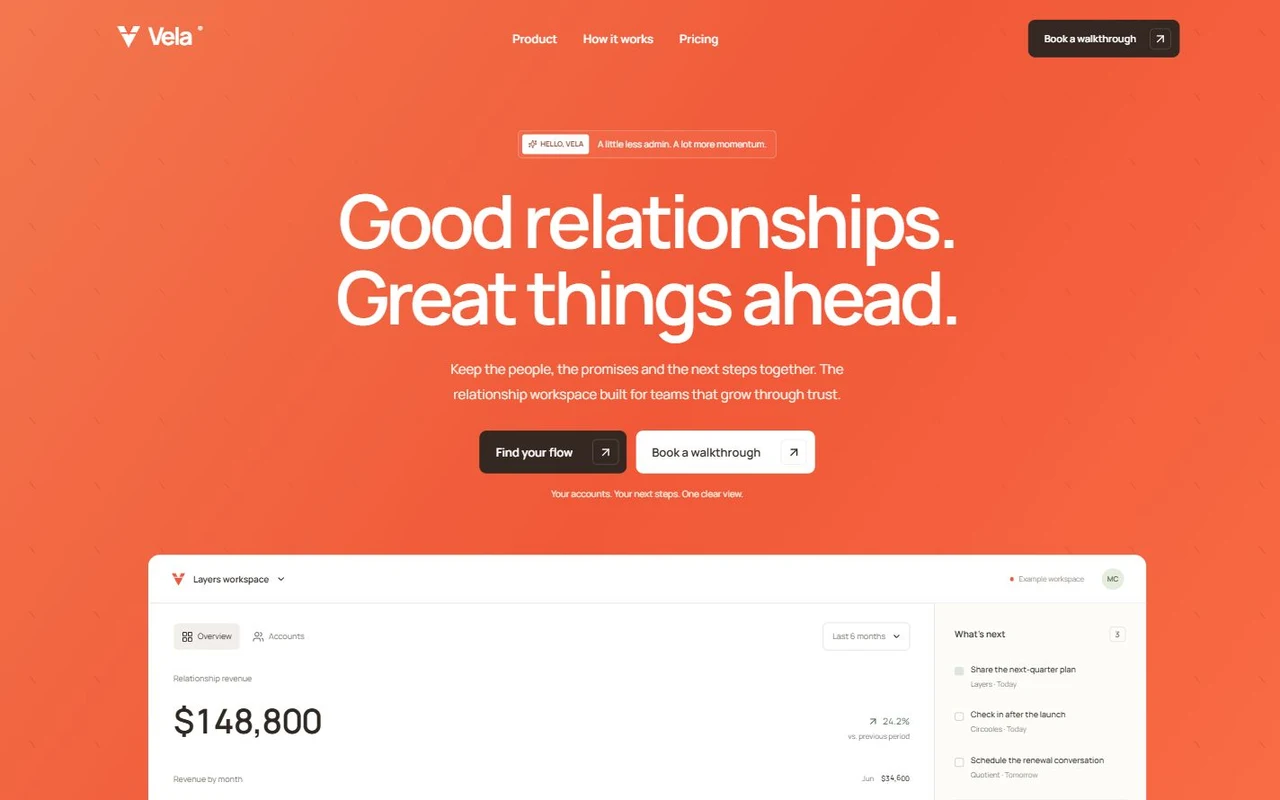
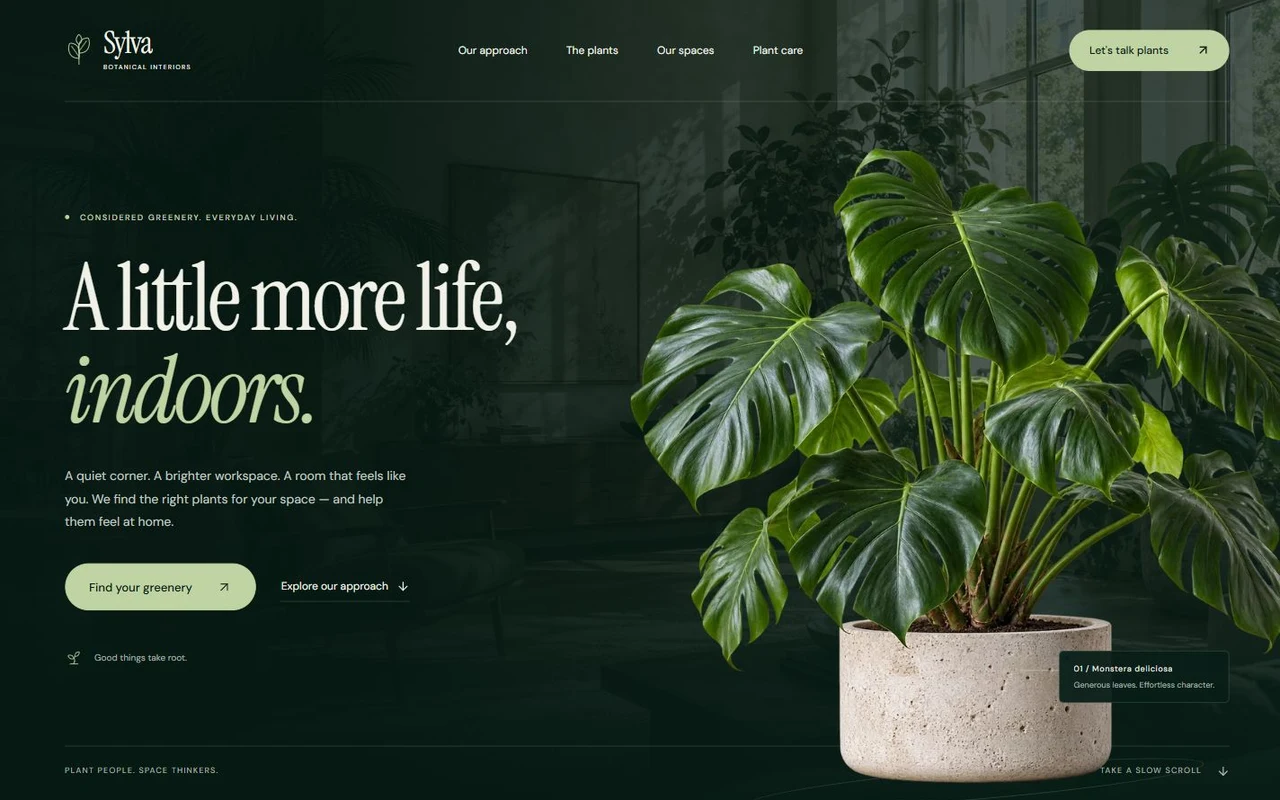
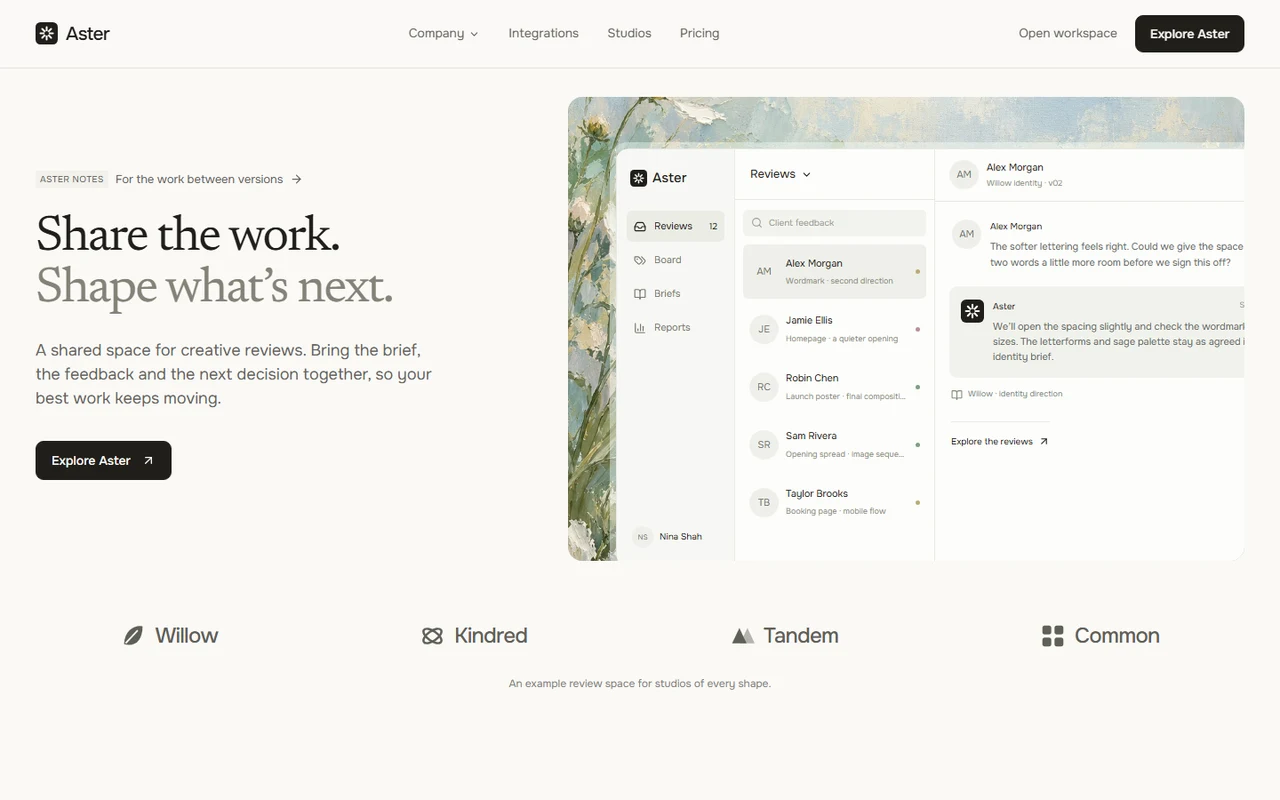
Bulkhead: Motion-led AI incident response landing page template for Next.js.
- Next.js 16
- Tailwind CSS v4
- TypeScript
- 14 sections
- Dark
- No API keys
- Palette
- Updated Oct 14, 2026
01Overview
At a glance
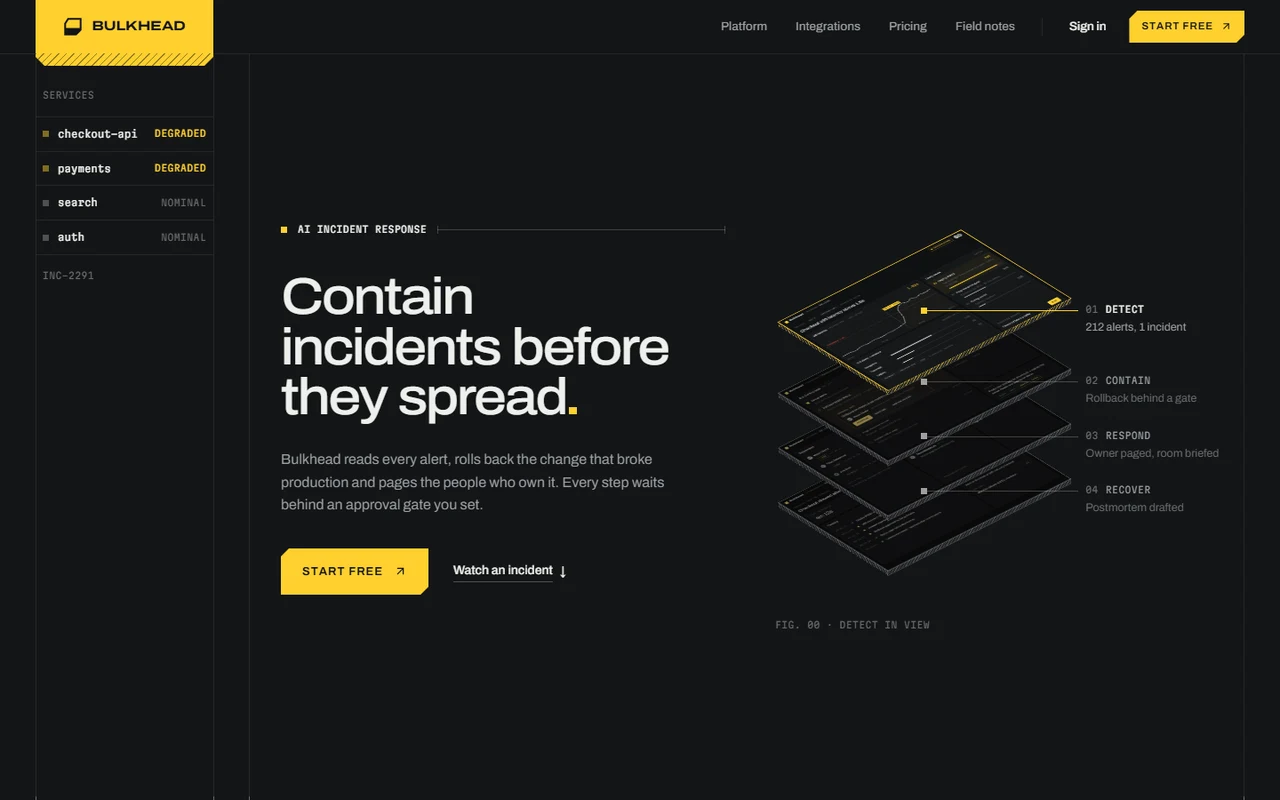
A complete, motion-first launch page for an infrastructure or AI operations product. Bulkhead contains incidents the way a ship's bulkheads contain a breach, and the whole page is drawn that way: construction lines, a fixed rail, cut-corner sheets and drawings that explain the product.
Made for
- Developer tools, infrastructure, security and AI operations products
- B2B SaaS that wants a precise, engineered first impression
- Products with a process to explain in stages
- Exploded hero stack of four product screens with drafting callouts
- Incident playback: a cutaway whose doors drop shut, stage by stage, with a rolling incident clock
- A runbook that runs and waits at an approval gate the visitor can approve
- Rail index with reading progress, rolling prices, morphing labels and full reduced-motion support
02The look
Its own palette and type
The colours and type it ships with. Tap a colour to copy it.
- AaArchivoIncluded with the template
The quick brown fox jumps over the lazy dog
0123456789
- AaMartian MonoIncluded with the template
The quick brown fox jumps over the lazy dog
0123456789
Archivo throughout, set a little wide like lettering on a drawing, with Martian Mono for labels and readouts. A graphite board, cool drafting-film sheets with two corners cut and one signal yellow. Dimension-line headings, crop marks around figures, registration crosses where the guide lines meet, and hairlines instead of shadows.
03Sections
14 sections, in page order
From the first screen to the footer.
- 01
Hero
The headline and calls to action beside an exploded stack of the four product screens, called out like a drawing. The plates separate as the page loads and one lifts and lights up at a time; pointing at a callout picks it.
- 02
Rail and navigation
A fixed rail that lists the services during the incident, becomes a section index that fills as you read, then hands over to the seals and a way back up. A phone menu that grows out of the bar.
- 03
Customers
A ruled strip of customer marks.
- 04
Incident playback
An oblique cutaway of four compartments: alerts gather into an incident, every door drops shut, responders rise and the postmortem lands, while a callout glides along with a rolling incident clock. Stage tabs sit under their compartments; phones glide along the hull.
- 05
Halftone band
A photograph printed as a dot screen that develops as it arrives, with a loupe that shows the real photo under the pointer.
- 06
Overview
A two-tone statement whose lit phrases are numbered callouts linked to a runbook that runs in place and stops at an approval gate.
- 07
Platform
A legend of the four stages beside a large product screen that swaps in behind a scan line; phone screens on phones.
- 08
Numbers
A ruled grid of six figures: a countdown with a dimensioned saving, an alert funnel, a strip chart cut off at a containment line, squares that thin out, a split bar and ninety days of uptime.
- 09
Systems
Three cards with line drawings that plot themselves in and move when pointed at.
- 10
Integrations
Categories that play one after another and a grid of integrations that swaps tile by tile.
- 11
Pricing
Three plans over a comparison table with a monthly/yearly switch and rolling prices; phones pick a plan and read its column.
- 12
Customers' words
One quote at a time with results, a portrait that swaps behind a scan line and a rolling counter.
- 13
Field notes and FAQ
Three posts with small drawings, then an accordion beside the heading and a way to reach a person.
- 14
Closing and footer
A deck plan whose doors swing shut, then a signal-yellow plate with a live counter and the name rising into four compartments.
04Built with
Motion from our free library
Free components from our library, included so you can use them anywhere on your page.
- FAQ accordionIn FaqQuestions on hairlines that open like they mean it: the answer eases to its height, the plus folds into a minus.Yes, for any number of client projects.No. It runs as it is.
- Number rollIn Footer, Numbers, Playback, Runbook, TestimonialsNumbers that change like an odometer: every digit rolls in the direction the number moved.$39
- Text morphIn Hero, Integrations, Playback, Pricing, Rail, RunbookText that changes the way it should: shared letters slide over, new ones rise out of a blur, the width eases.Book a call
- Pricing toggleIn PricingMonthly or yearly: the thumb slides with a little give, and every price on the page rolls to its new amount.$39/mo
- Status buttonIn RunbookSave, Saving, Saved: the spinner opens in, the check draws itself, errors shake, and the label morphs between them.
05Make it yours
Where everything lives
Everything a visitor reads, and every destination, lives in site.config.ts. The palette is a handful of CSS variables, and the product screens are images you replace with your own at the same proportions.
| To change | Edit |
|---|---|
| Brand, copy, stages, runbook, figures, plans, quotes, posts and questions | site.config.ts |
| Where Start free, Sign in, Book a demo and each plan go | site.config.ts → links, pricing |
| Palette: signal yellow, board, sheets | app/globals.css |
| Fonts | app/layout.tsx |
| Product screens and photos (sizes in the README) | public/images/ and site.config.ts |
| Section order | app/page.tsx |
Run it
$ npm install$ npm run devNode.js 20.9 or newer. No environment variables.
Before you go live
Replace the fictional brand, customers, quotes and figures. Set links.signup, links.signin, links.demo, each plan's checkout links and your sales email in site.config.ts. Connect your real product and sign-up separately.
06Specifications
What’s under the hood
- sections
- 14
- source files
- 62
- lines of code
- ~6,300
- dependencies
- 4
- API keys needed
- 0
Stack
- Framework
- Next.js 16 (App Router), React 19
- Language
- TypeScript
- Styling
- Tailwind CSS v4 with design tokens and component styles
- Dependencies
nextreactreact-domlucide-react
Design
- Fonts
- Archivo, Martian Mono, self-hosted with next/font
- Images
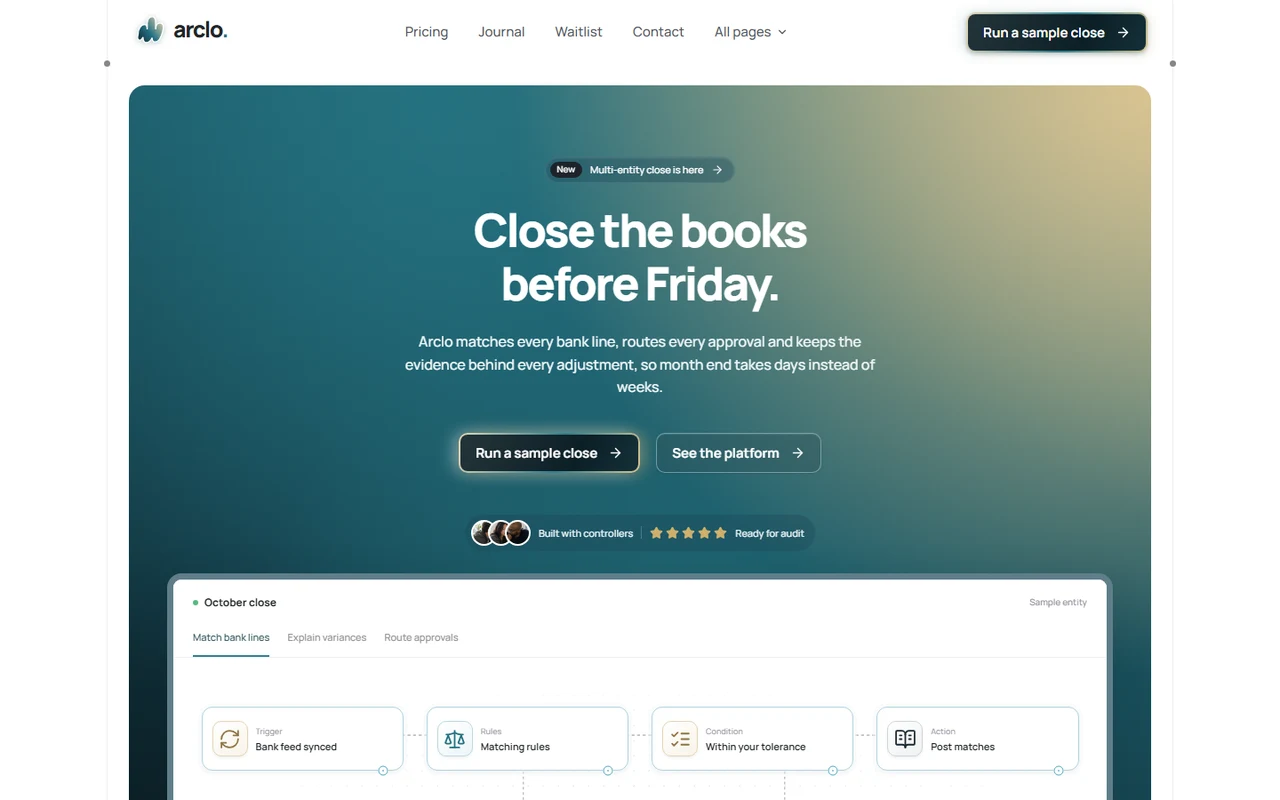
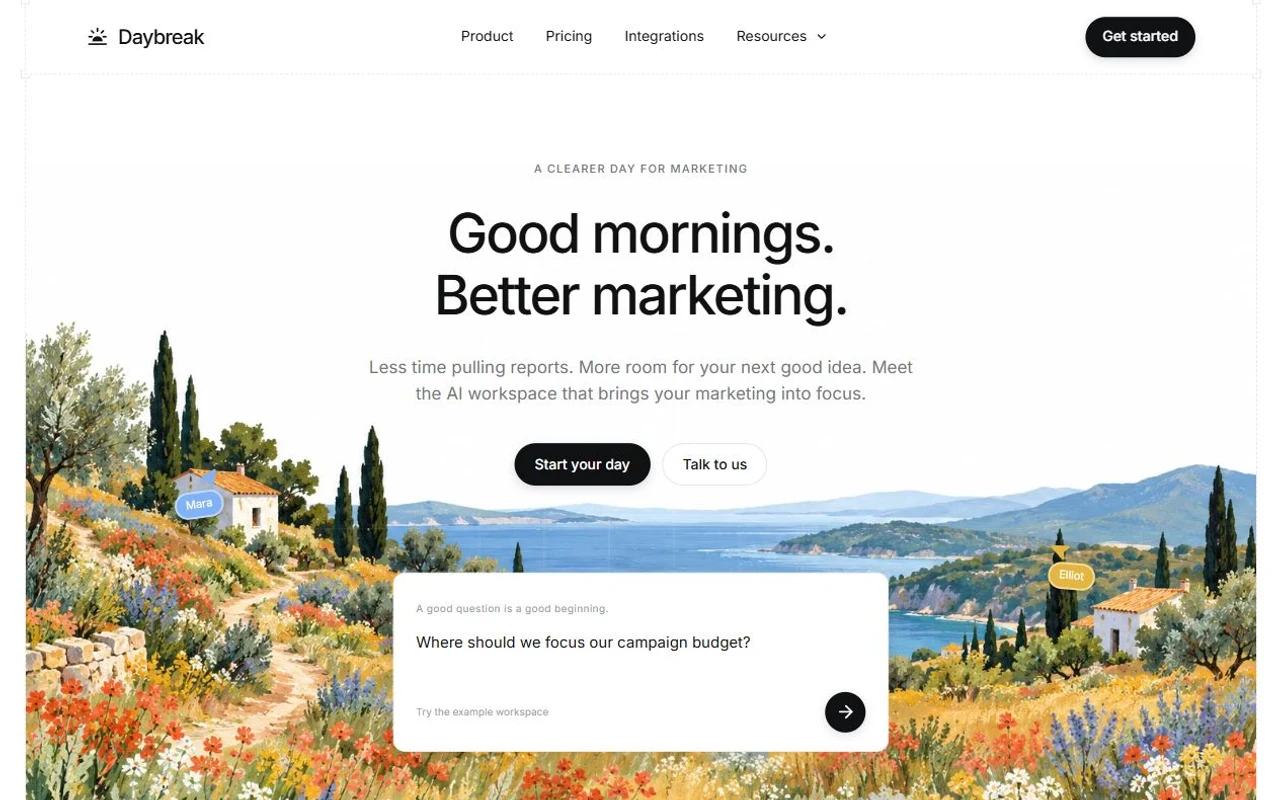
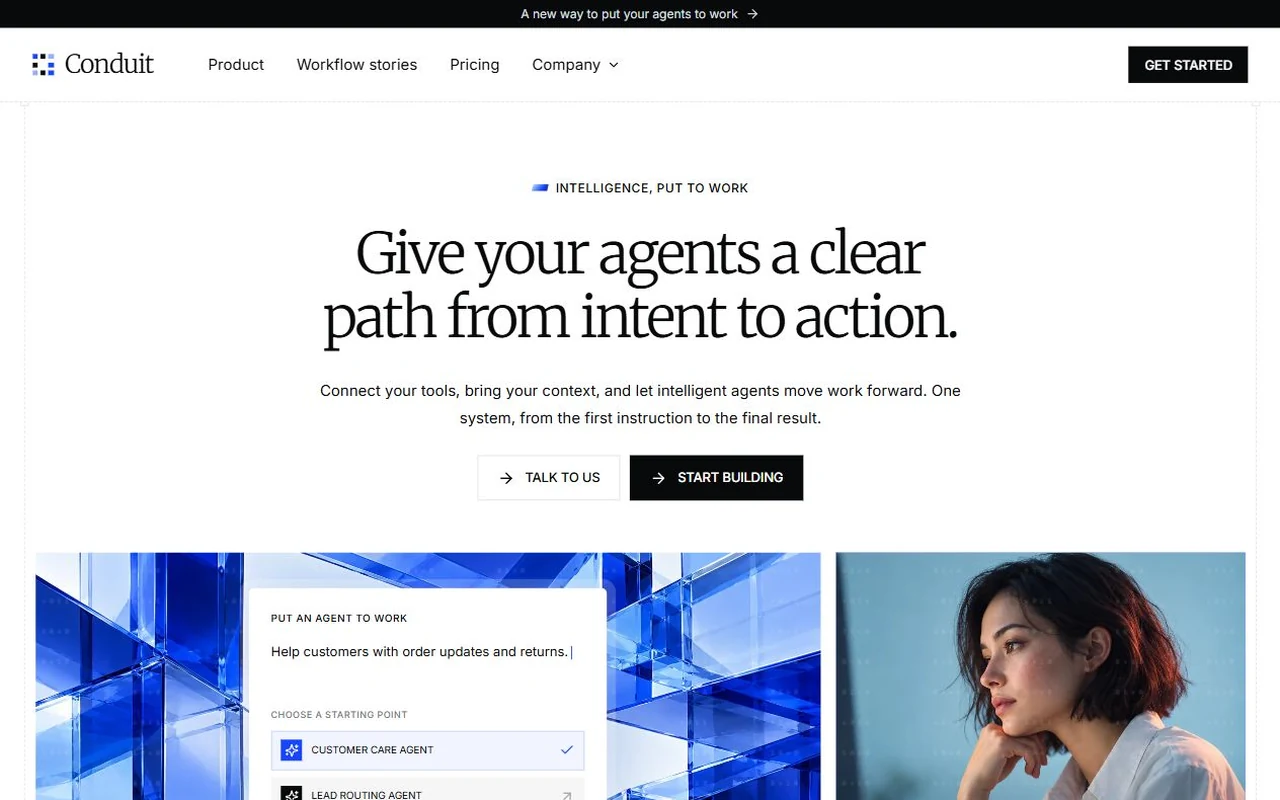
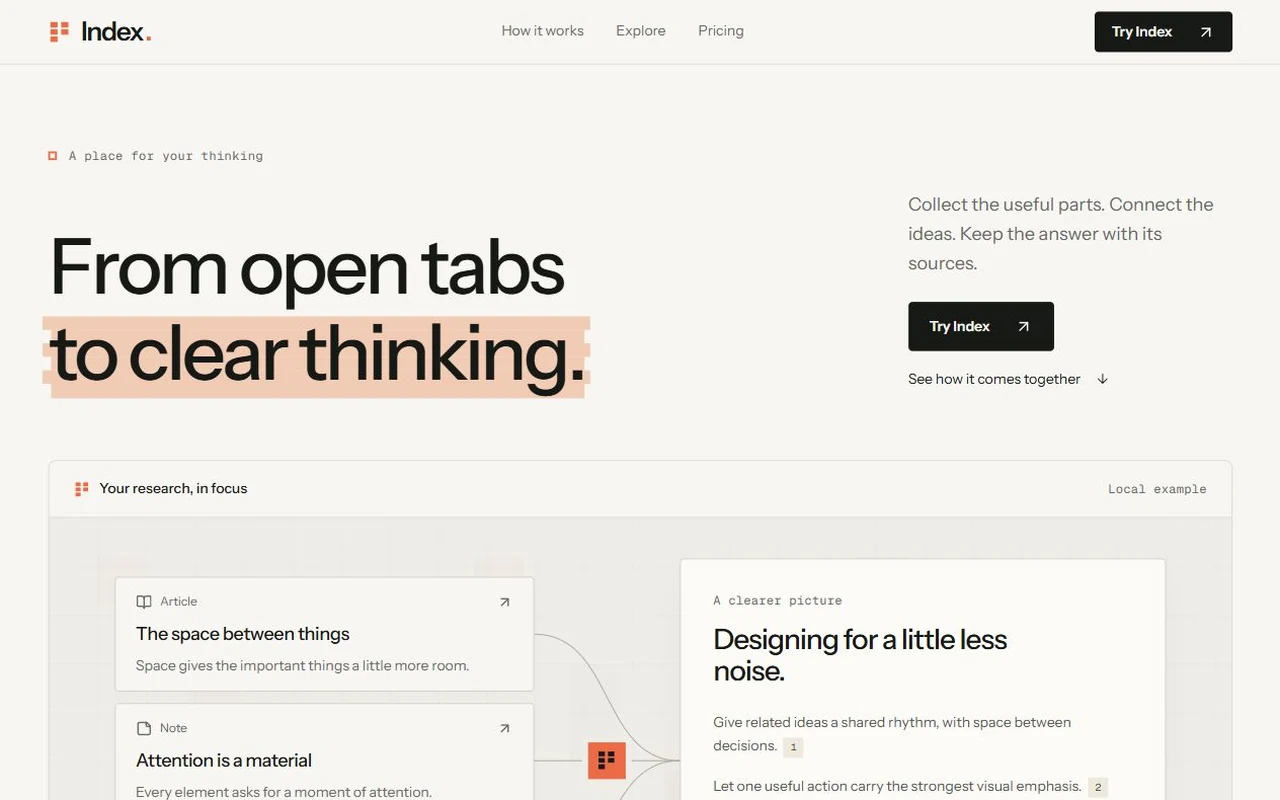
- Eight original product screens (four desktop, four phone) rendered as WebP, one photograph for the halftone band and four portraits, about 700 KB in all. The hull cutaway, deck plan and card drawings are SVG.
- Colour scheme
- Dark
- Responsive
- Desktop, tablet and phone
Quality
- Accessibility
- Skip link, visible focus, keyboard navigation, reduced motion
- API keys and environment variables
- None
- Node.js
- 20.9 or newer
Shipping
- Deploys to
- Vercel, Netlify, Cloudflare Pages or any Node host
- Codebase
- 62 source files, about 6,300 lines
- Last updated
- Oct 14, 2026
07License
One license, no tiers
The full text ships as LICENSE.md in the download and is on the license page.
You can
- Use it for your own products
- Use it for any number of client projects
- Change the code and design however you like
- Deploy the result commercially
You can’t
- Resell or share the files as a template, theme or UI kit
- Publish the source as a template in a public repository
08Questions
Before you buy
What do I get when I buy Bulkhead?
The complete Bulkhead project as a download: the Next.js app, its config file, a README with setup and customisation notes, and the license. It’s added to your account’s library the moment payment goes through.
Can I use Bulkhead for client projects?
Yes. One purchase covers your own products and any number of client projects, and you can change the code however you like. What you can’t do is resell or share the template files themselves as a template or UI kit.
Do I need API keys, a database or a backend?
No. It runs with npm install and npm run dev and deploys to Vercel, Netlify or Cloudflare Pages without any environment variables.
What should I change before I launch?
Replace the fictional brand, customers, quotes and figures. Set links.signup, links.signin, links.demo, each plan's checkout links and your sales email in site.config.ts. Connect your real product and sign-up separately.
Do I need to know Next.js?
Basic React helps, but most changes are text edits in site.config.ts. The README walks through colours, fonts and section order.
How do updates work?
Updates to Bulkhead are free. When a new version ships, download it again from your library.
Can I get a refund?
Yes. If Bulkhead isn’t right for you, email support@hairlineui.com within 14 days and you get your money back. No reason needed.
Should I buy all-access instead?
If you’ll use more than two templates, yes. All-access is $99 for all 39 templates, including Bulkhead and every template added later. Three single templates would cost $117.
09All-access
Every template, one price
All 39 templates for $99.
Every template in the library, including Bulkhead, and every one added later. Same license, free updates. Less than three single templates.